
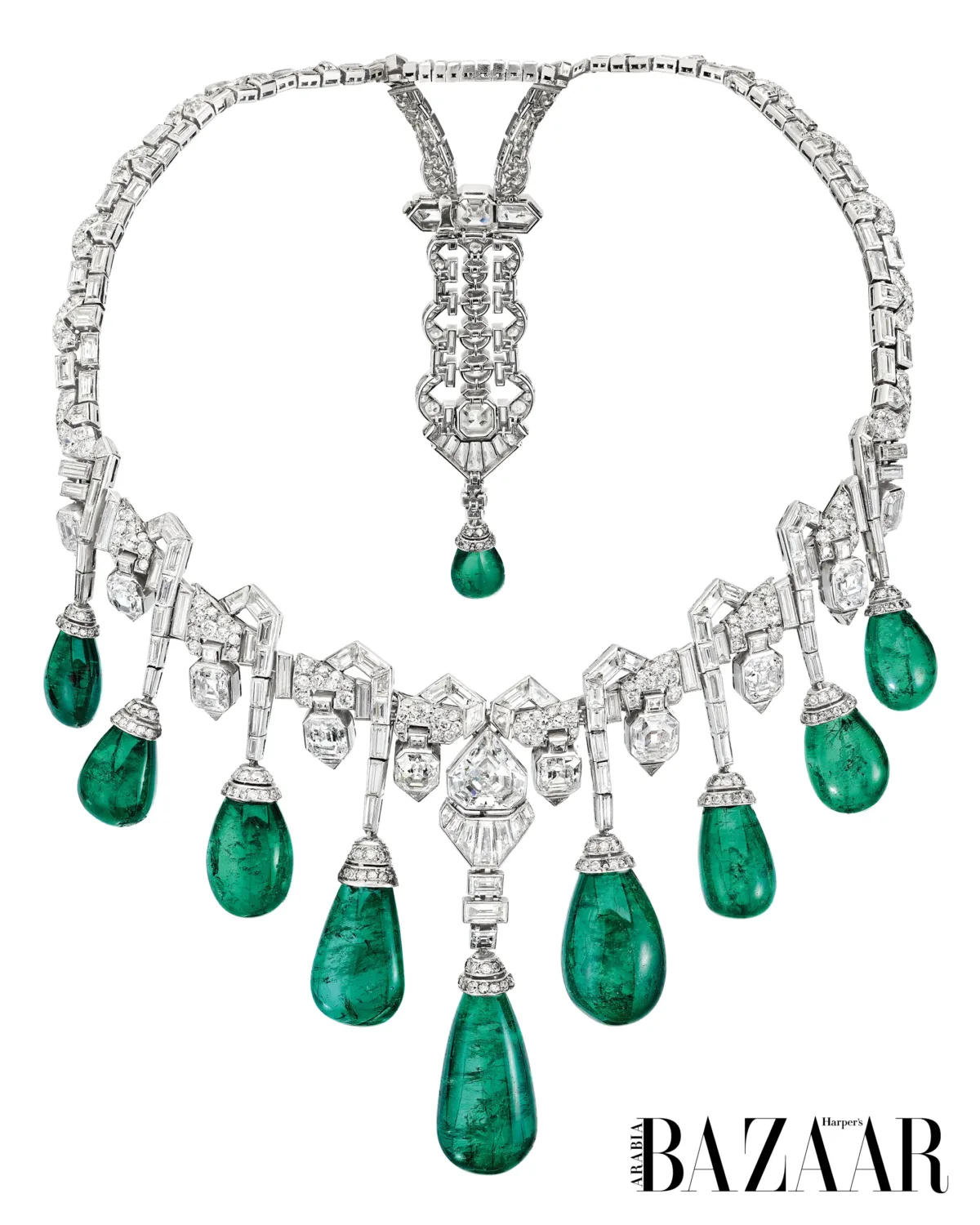
Van Cleef & Arpels Celebrates A Century Of Art Deco Creations
Van Cleef & Arpels celebrates 100 years of Art Deco design with a 250-piece retrospective at the Teien Museum in Tokyo
1925 was a pivotal year for the decorative arts in general, for the jewellery world in particular, and for Van Cleef & Arpels most of all…
It was the year of the International Exhibition of Modern Decorative and Industrial Arts – the Paris fair from which Art Deco takes its name and which marked a true watershed moment. It was also the year in which Van Cleef & Arpels won the Grand Prize for jewellery with one of its most ambitious creations.
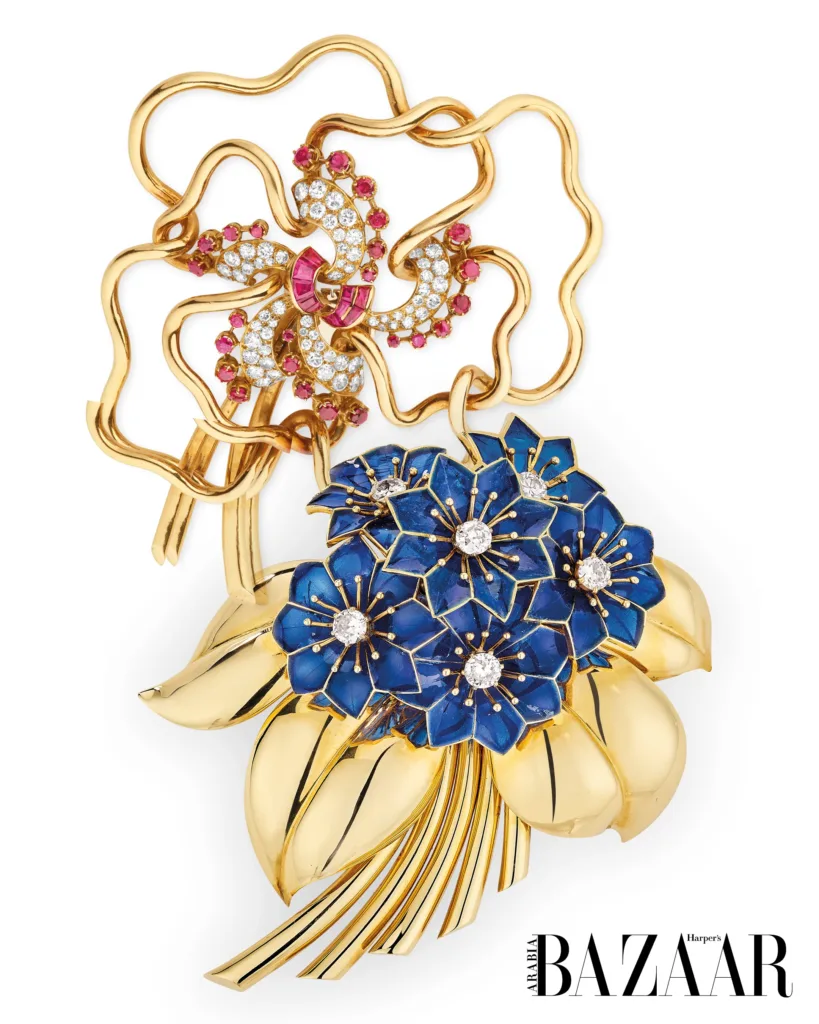
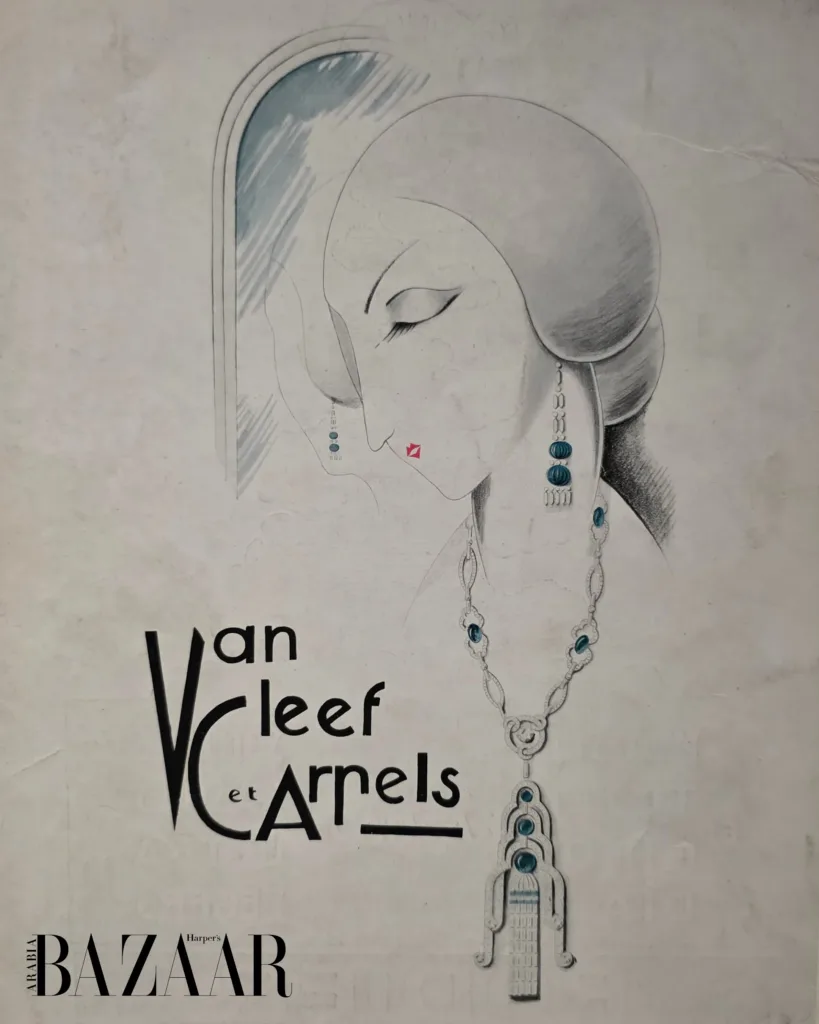
To mark the centenary of 1925, Van Cleef & Arpels has opened one of its most significant retrospectives at the Tokyo Metropolitan Teien Art Museum. Titled Timeless Art Deco with Van Cleef & Arpels High Jewellery, the exhibition presents 250 pieces from the Maison’s patrimonial collection and private holdings, alongside 60 archival documents. “It was a period of high creativity,” says Alexandrine Maviel-Sonet, exhibitions director at Van Cleef & Arpels. “The Maison created many iconic pieces during the Art Deco era. It had a strong identity already in 1925, and with the International Exhibition held in Paris, the Maison won the Grand Prize for jewellery, which included the 1924 Entwined Flowers, Red and White Roses bracelet.” The bracelet, set with rubies, emeralds, onyx and diamonds, captures the global fascination with the Art Deco era, and embodies the Maison’s ability to fuse stylised floral motifs with the geometric precision of the time.
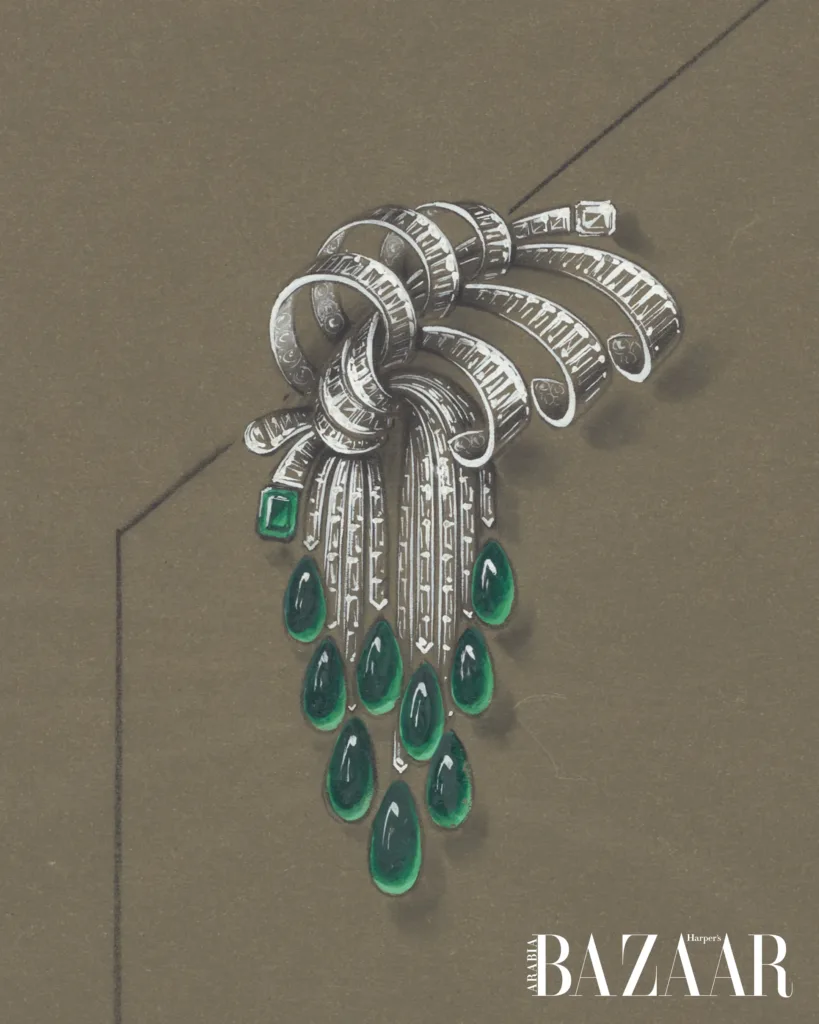
The Teien Museum is a fitting backdrop. Built in 1933 as the residence of Prince Asaka, the mansion was inspired by his many travels to Paris, and was designed in collaboration with leading French artisans of the period. “We wanted a dialogue between our pieces and the architecture,” says Alexandrine. “Some rooms share the exact same motifs as our jewellery from the 1920s and 1930s. The connections were immediate.”
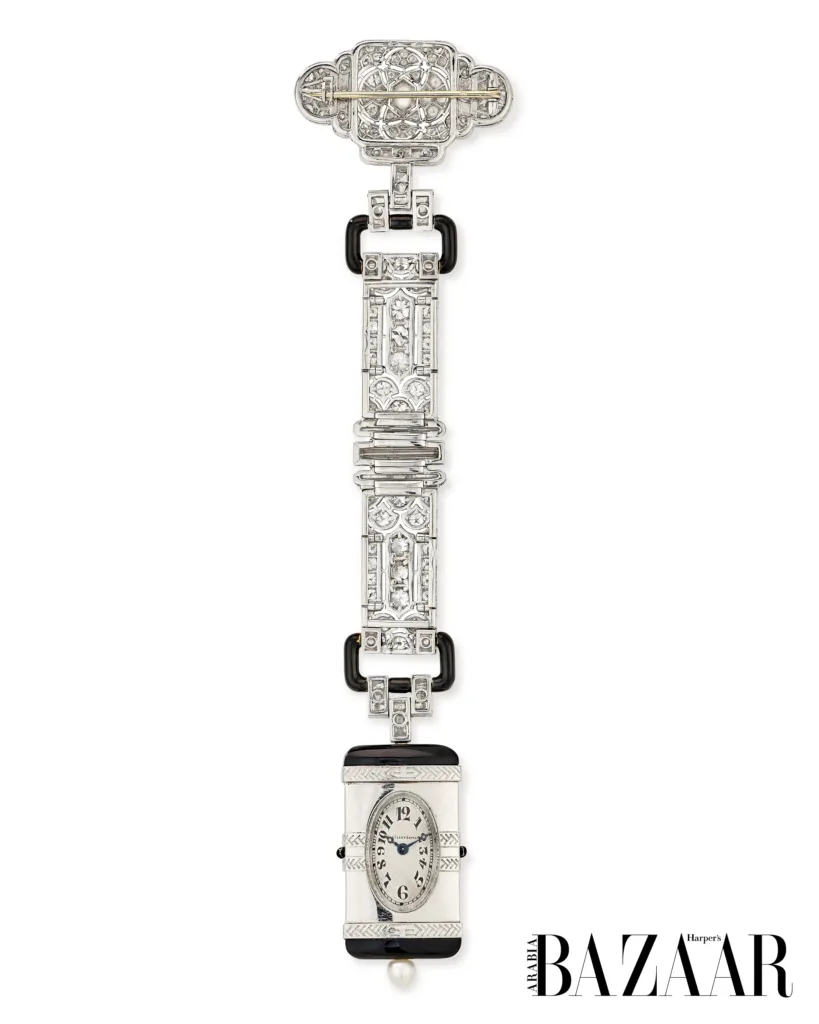
The exhibition traces the evolution of Van Cleef & Arpels’ style across four chapters. The first room explores early Art Deco signatures – floral jewels, vibrant long necklaces and the boldly geometric Rose brooch from 1925. Chapter Two introduces a more sculptural language, exemplified by a 1929 diamondand- emerald collaret once owned by Princess Faiza of Egypt. Modernism and functional elegance define Chapter Three, where visitors encounter two of the Maison’s major innovations: the 1933 patented Minaudière vanity case and the Cadenas watch, a discreet, padlock-shaped timepiece designed so women
could check the hour without appearing impolite.
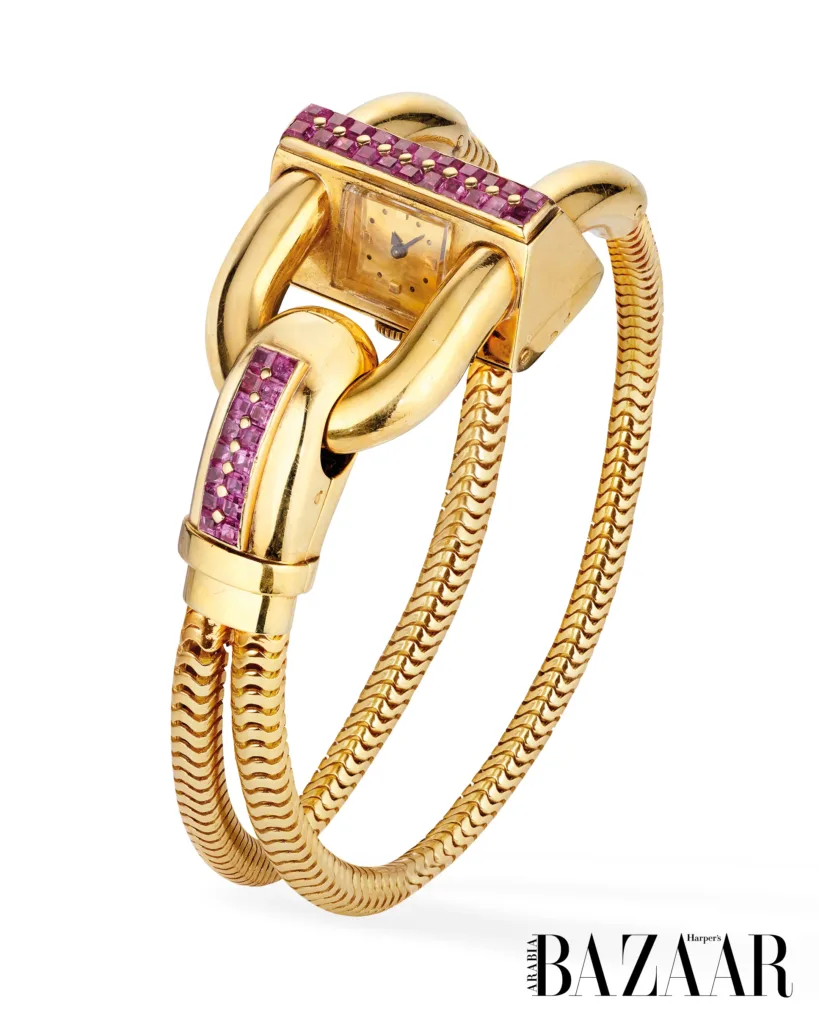
In the annex, a specially designed ‘garden of savoirfaire’ showcases the Maison’s most emblematic techniques, from the prong-less Mystery Set – debuted in 1933 – to transformable jewels such as the Zip necklace.
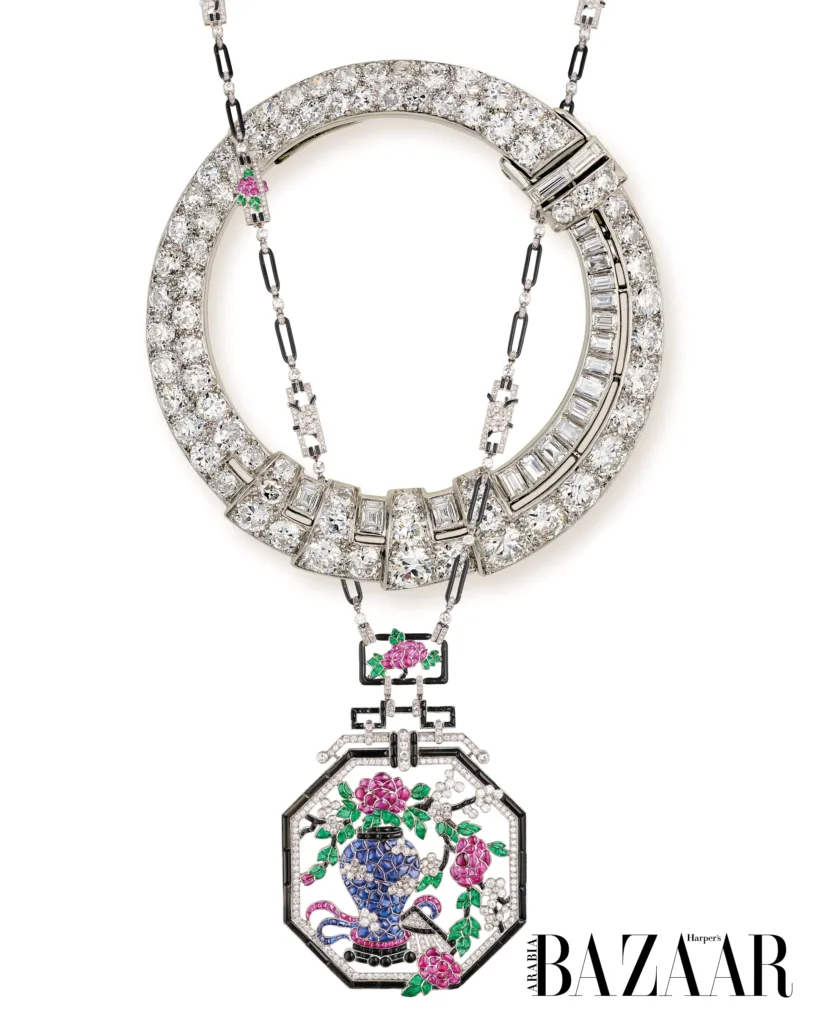
Ultimately, Alexandrine hopes visitors will be transported. “The idea is to immerse them in the Art Deco environment,” she explains. “By placing the jewellery in an authentic 1930s setting, people can step back in time and understand how these creations shaped the history of decorative arts.”
Lead Image Credits: This collaret necklace was made at the end of the 1920s. Adorned in diamonds and platinum, it features emeralds weighing 165 carats
Imagery Supplied
Interview: Farrah Taylor