

The Eternal Value Of Vintage: Why Luxury Brands Are Rushing Into The Resell Space
Sustainable, rare and original: Vintage luxury checks all the boxes for forward-thinking fashion lovers..
Fashion is an interesting industry. It is constantly doing two things simultaneously. It is looking to the future, predicting impending trends and styles, while at the same time taking stock of its past to help inspire the next. That dichotomy is currently in even starker relief as two aspects of fashion are pulling focus: The evolution of the vintage space and the revolution that is the metaverse. And while the metaverse, with its NFTs, avatar outfits and virtual accessories is still in its infancy, the mature vintage fashion industry is being leveraged in exciting new ways by luxury houses, startup platforms and entrepreneurs.
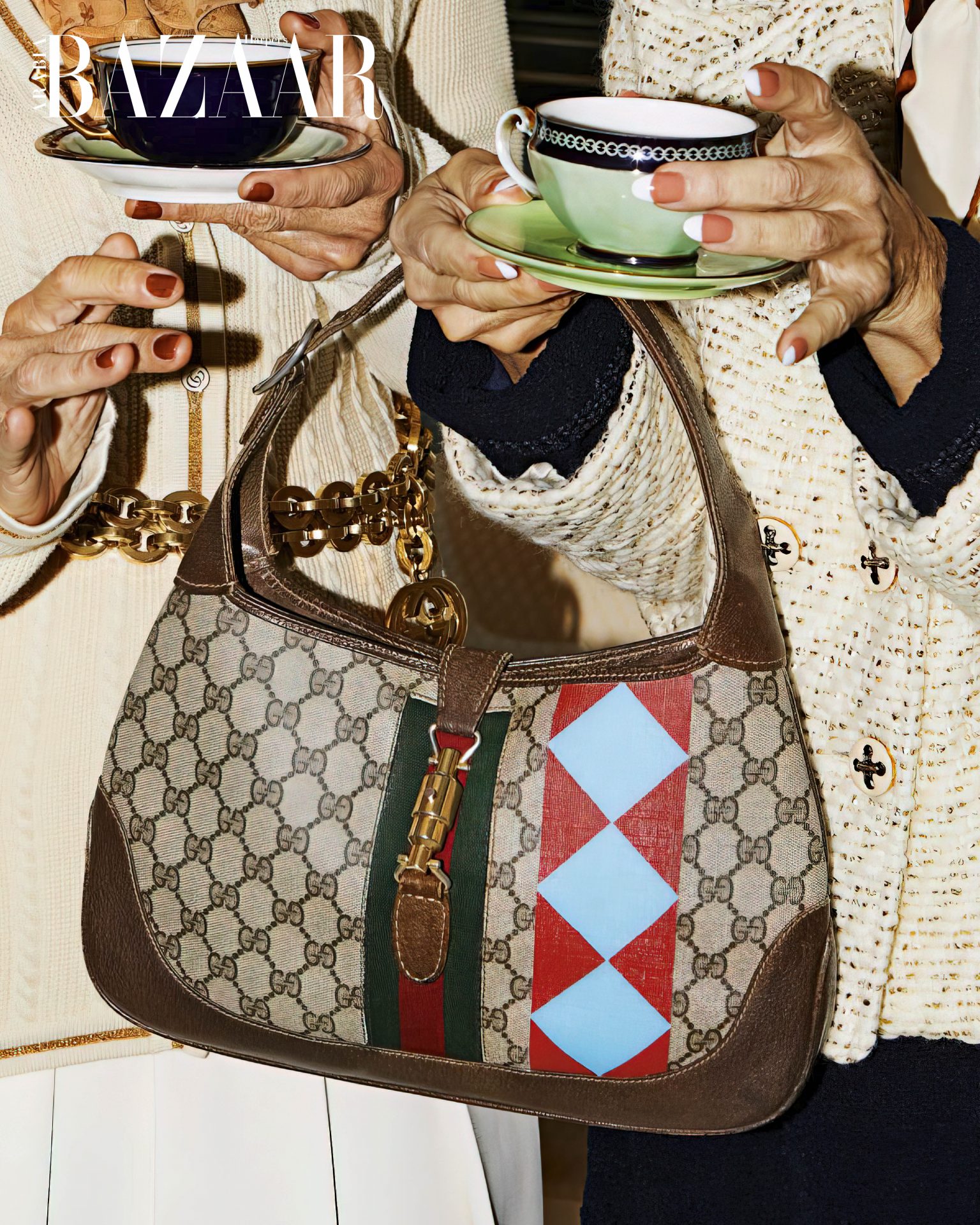
When it comes to vintage, luxury houses are approaching the resell market from a number of different angles. The first out of the gate with its concept was Gucci. Back in September, during Milan Fashion Week, the Italian house created a platform called Gucci Vault where it sells vetted vintage Gucci pieces, customising some of them to give them a modern update, and pricing them in line with current Gucci items. But the brand went further. It created space on the site to highlight a number of young designers it was collaborating with, and earlier this month it also tapped 12 up-and-coming jewellery designers it added into the mix, just in time for the holiday season. Thus the site has become a point of convergence between the brand’s 100 years of history and fashion’s global future.
“For me, shopping isn’t simply about buying things. It is about establishing a connection with them, entering into a relationship. It is precisely this bond that has grown today. In my mind, I always had the idea to create a place in constant evolution where ‘impossible’ conversations between objects from different origins, creators, and eras could take place: central figures in a dialogue between past and present, able to spark future Sustainable, rare and original: Vintage luxury checks all the boxes for forward-thinking fashion lovers. No wonder luxury brands are now rushing in to claim the resell space inspiration,” said Alessandro Michele, Gucci’s creative director, at the time of the launch.

Hot on Gucci’s heels is Valentino and Jean Paul Gaultier. Both houses recently announced that they too were getting into the booming vintage retail space. Valentino made a choice to team up with four reputable international vintage stores, Resurrection in Los Angeles, New York Vintage Inc in NYC, Madame Pauline Vintage in Milan and Laila Tokio in Japan, to create its Valentino Vintage programme. Owners of Valentino items from previous seasons can contact those stores via the Valentino website and bring their pieces into the vintage boutiques for appraisal. Eventually, getting credit towards buying current Valentino items in its flagship shops. Then, starting next month, those same vintage stores will also start to sell a selection of Valentino Vintage items curated by the Italian fashion house.
Gaultier’s brand is taking a more hands-on approach to its foray into the circular fashion model with its recently updated website, It is now possible to rent out runway looks from past seasons, that span the 50 years of the French designer’s work. The site is also selling a curated selection of vintage pieces. It’s a move that gives the brand a stronger position in terms of controlling the resale of its luxury garments and accessories.
“I, for the longest time have been scratching my head, not understanding why brands don’t mind their legacy more authentically,” said John Matheson, the man behind the well-regarded Instagram feed @mcqueen_ vault, which focuses on the work of Alexander McQueen, and Matheson’s highly curated collection of vintage McQueen pieces. “This is exactly what you should be doing [with vintage luxury pieces], treating them like the heirlooms they are, this is sustainable, it’s green, it is meaningful, it’s luxury, it’s all of those things,” pronounced John.
Considering that the second-hand market is the fastest-growing segment in the fashion industry, it’s a smart move for luxury brands to start to finally take the vintage fashion space seriously. To begin to claim a 360-degree oversight of their oeuvre. According to ThredUP, the world’s largest online thrift store and the research firm GlobalData, the market is projected to be valued at $64 billion dollars (Dhs235 billion) in the next five years. And they forecast that by the end of the decade 17 per cent of a person’s closet space will be filled with second-hand garments, up from just 3 per cent in 2009.
Exclusivity has always been a cornerstone of the luxury space. And as millennials become the largest percentage of the global workforce, their desire for individuality and personal expression, rather than the “it item” mentality of previous generations, lends itself perfectly to the vintage marketplace. It also checks the sustainability box. Pre-owned luxury items are notoriously well crafted, long-lasting and also are more often than not, one-of-a-kind.

“Just talking about aesthetics and craftsmanship, vintage pieces are simply made differently. There were made at a time when manufacturing processes were different, and you can really feel that when you wear a piece. It hugs you differently, its facings are is different, there is an attention to details, there is just a magic to that,” said Rae Joseph, the founder of 1954 By Rae Joseph, one of the region’s first local vintage fashion online stores.
Already there are quite a lot of different types of vintage merchandised platforms for vintage fans to choose from. There are the consignment sites like The Real Real, Vestiaire Collective or ThredUP as well as peer-to-peer platforms such as Wardrobe, Depop or Grailed. And more sites, feeds and stores seem to be cropping up all the time.
Just last month Farfetch expanded into the Middle East with its Second Life service, which makes it possible for users of the platform to earn credit on the site for vintage bags they are ready to part with. Customers can just upload photos of the items they want to sell to the service, they’ll be told how much credit they can earn on the Farfetch site for the item, then the service will pick up the piece, get it verified and then give the owner the agreed upon credit, which they can then use on the site to buy new season items.
“I was amazed when I saw this service on the Farfetch app. My main issue with selling my older bags was not receiving the money on time — sometimes it took ages. But when I saw that with Farfetch’s Second Life service you can get a quotation after two to three days and then get credit, I thought that this was the best way to sell my bags. You’re able to make space in your wardrobe by recycling your older bags and you’re saving the environment too,” said Deema Al Assadi, an influencer and TV personality when she discovered the new Farfetch service.

This growth in the resell space also reflects how social media has turned archival fashion and vintage fashion collecting into a bit of a strange aspirational kind of passtime. A sartorial chimera that finds those that love collecting and wearing vintage, or are saving up to buy their favourite designer at a vintage price point finding themselves going up against individuals looking to leverage the exploding marketplace for pure profit. Flipping luxury vintage items.
“The prices over past two to three years have absolutely lost all sense of reason. ‘D poppers’ and the ‘Graillers’, and the people that see the growing value of vintage luxury are scrambling to literally vacuum up everything they can get their hands on. It’s creating false value. It’s creating inaccurate dating and information,” lamented Matheson.
However, there are options like the Reluxable site, which was founded in Dubai and launched last month. It’s a platform created to bring together in one place items from a select group of verified luxury second-hand retailers from around the globe. Thus making it easier for discerning luxury consumers to shop for pieces that have been sourced from the highest levels of the vintage market space.
“People are openly endorsing pre-owned goods. The secondhand market is growing and shows no sign of slowing down, getting a new lease of life and love online. By connecting directly conscious consumers and trusted secondhand retailers globally, we believe we can drive down fashion’s environmental impact and, make luxury more accessible and sustainable,” said Marie-Hélène Stavelot the founder and CEO of Reluxable.

Nonetheless, in the region buying vintage still has a way to go. “Vintage is still not a very common concept in the Middle East, especially with older generations,” said Joseph. “Here people give the clothing they don’t want anymore to charity. There is no concept of the average person going shopping and buying second-hand pieces. You hear the word vintage and you associate it with cars or furniture,” she added.
For Rae, a chance encounter with a vintage Dior dress while in New York had her instantly hooked, first as a collector and then as a business model. “People associate vintage with kind of a retro look. The concept of what vintage really means, that it is an actual 30-year-old garment, and not just a throwback look, is still not widely understood, but things are beginning to get better,” she remarked.
The growing indoctrination into the more profound aspects of buying vintage (that it’s more sustainable but also incredibly rare and exclusive) could be a goldmine for people like Rae and Marie-Hélène here in the region. Generations of women in the Middle East have been meticulously buying and preserving designer clothing and luxury accessories. A veritable GCC treasure trove of exquisite and loving maintained vintage just waiting to see the light of day.
A step in the right direction is the recent news that the Global Fashion Exchange, an internationally recognised platform created to promote sustainability in the fashion industry, will be coming to Riyadh on the 11th and 12th of December for a GFX Fashion Swap. Taking place at the Personage Riyadh concept store, the event, which will also include workshops about shopping sustainably, is part of a broader group of Fashion Futures activations going on in the city during the week to coincide with the capital’s Fashion Futures conference. Participants will bring designer items to trade and for each one accepted into the event they are given a token to claim another piece they would like to take home.
“The Fashion Commission is honoured to host the Global Fashion Exchange which will be taking place in the Kingdom of Saudi Arabia for the first time ever. The GFX activation aims to shift the mindset of not only brands but also consumers towards sustainable consumption and encourages a more sustainable perception in the future,” stated Her Highness Noura Bint Faisal Al Saud, the Ecosystem Integration and Program Delivery General Manager.
It’s a message many more could be taking to heart in the coming months, especially considering the current supply chain issues facing the world as it continued to feel the ripple effects of the COVID pandemic. The apparel industry has been particularly hard hit, with stores looking at the real possibility of finding themselves with lots of free shelf space. Pair this with a new generation of luxury consumers wanting to be more conscientious in their consumption, and this holiday season might just be the perfect time to consider gifting some rare pre-loved luxury.
Words By Jessica Michault. Images Supplied.
From Harper’s Bazaar Arabia’s December 2021 Issue.