
We Design Beirut Continues To Champion Regional Talent With Splendour And Style
The latest edition of We Design Beirut continues to demonstrate the breadth and depth of Lebanon’s creativity, past and present
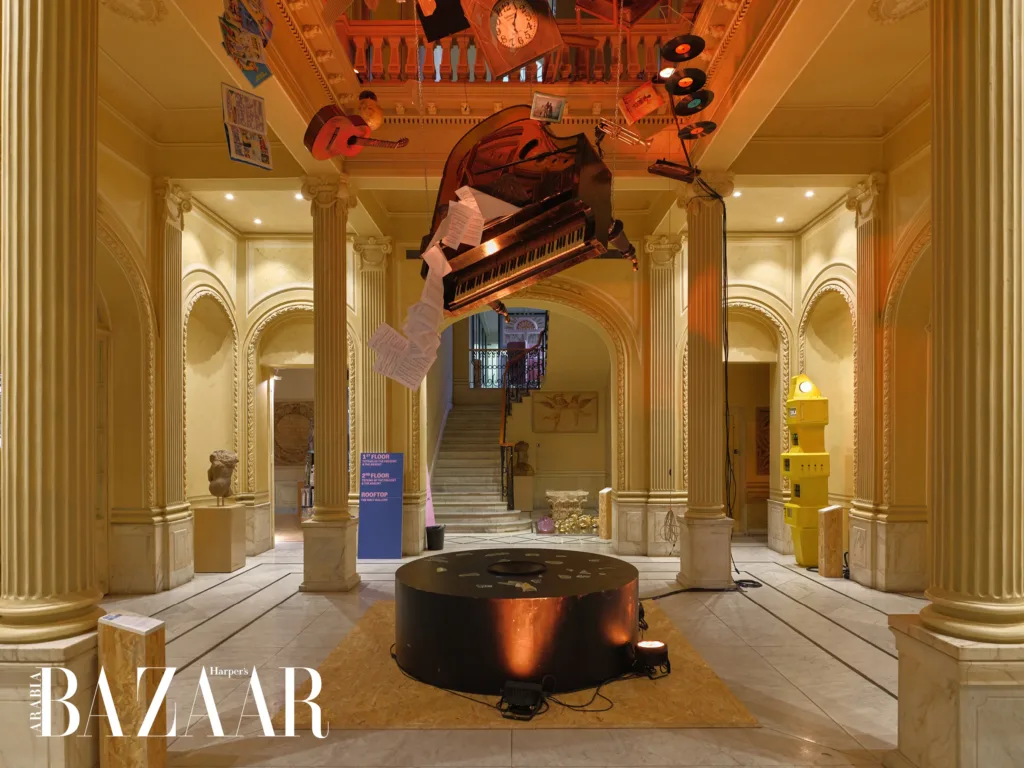
Conceived as a dedicated platform for Lebanese creative talents within their own country, We Design Beirut has gone from strength to strength since it first launched with Edition 01 in 2024. Rather than rest upon her laurels however, founder Mariana Wehbe’s ambitions for 2025’s Edition 02 reached even further.
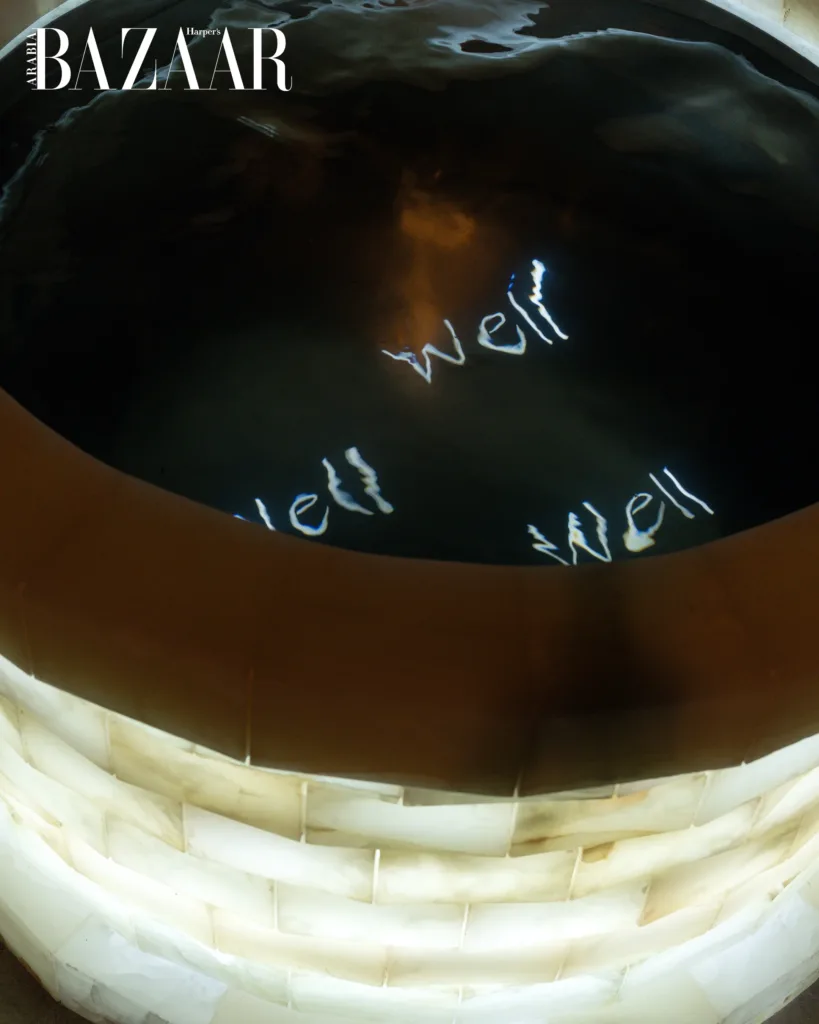
“In Lebanon, We Design Beirut and projects like [it] cannot be the exception,” said Mariana, addressing guests gathered for the event’s opening. “This is the country of magic and chaos. Last year, people said to us: ‘You have given CPR to Lebanon.’ Lebanon doesn’t need CPR. Lebanon is alive. All it needs is a chance to show our creative capacity, and create dialogue between each other. We are moving forward. We are finding ways to collaborate, to erase the division and create ways for unity.”
“This year marks 50 years since the [Lebanese] Civil War,” she explained. “We wanted to address this in architecture and design, and spaces and places that have been forgotten.”
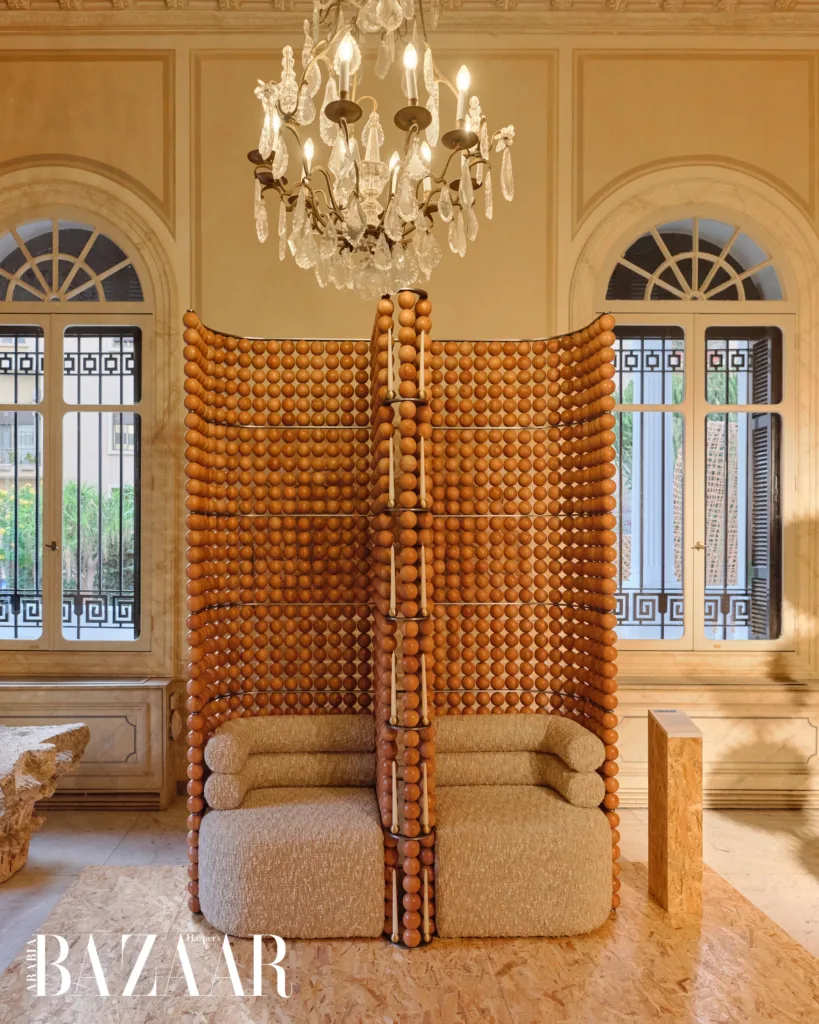
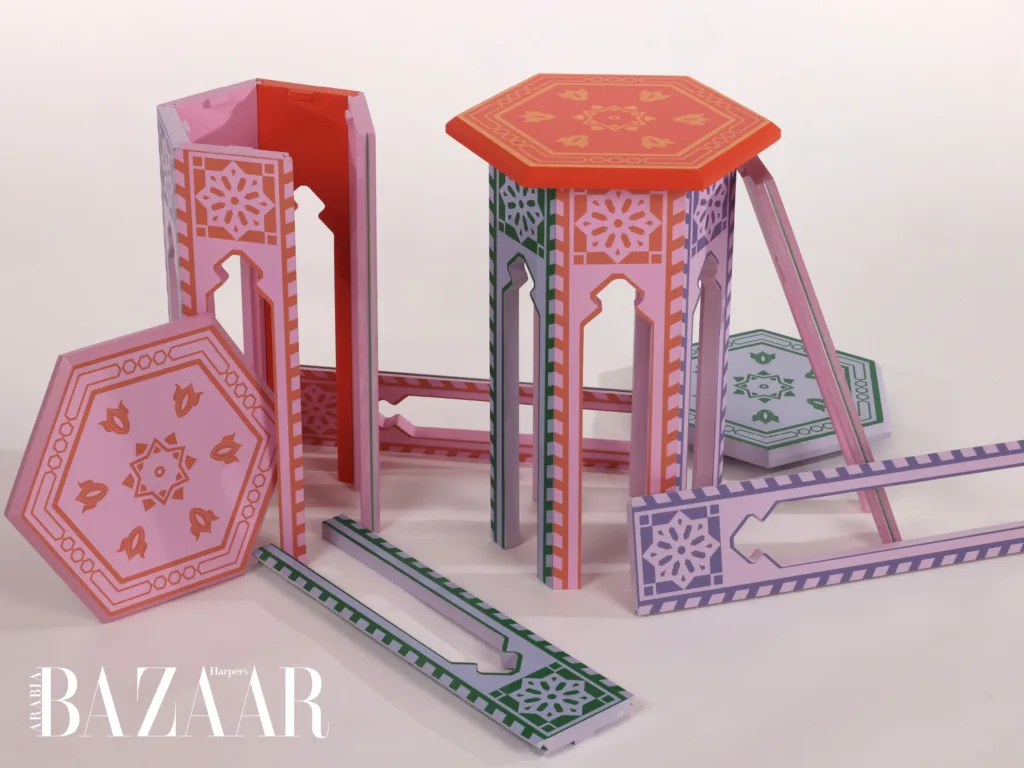
Open for five days, from 22-26 October, the programme of We Design Beirut’s latest outing expanded to more than double that of its predecessor, centring on themes of legacy, revival and continuity. The festivities enfolded multiple architectural landmarks around the city, transforming these historic buildings and monuments into stages from the event’s seven component exhibitions, amidst a broader backdrop of open design studios, panel talks and workshops.
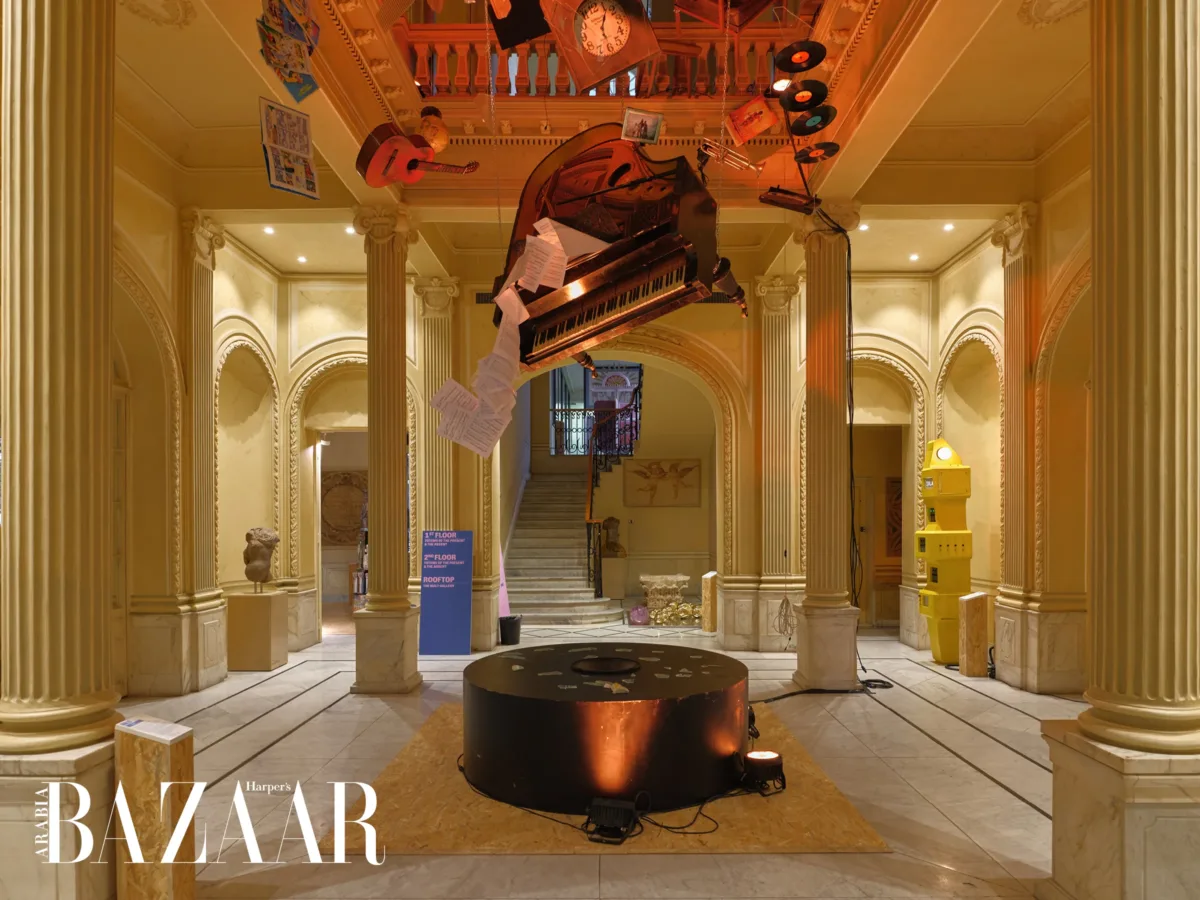
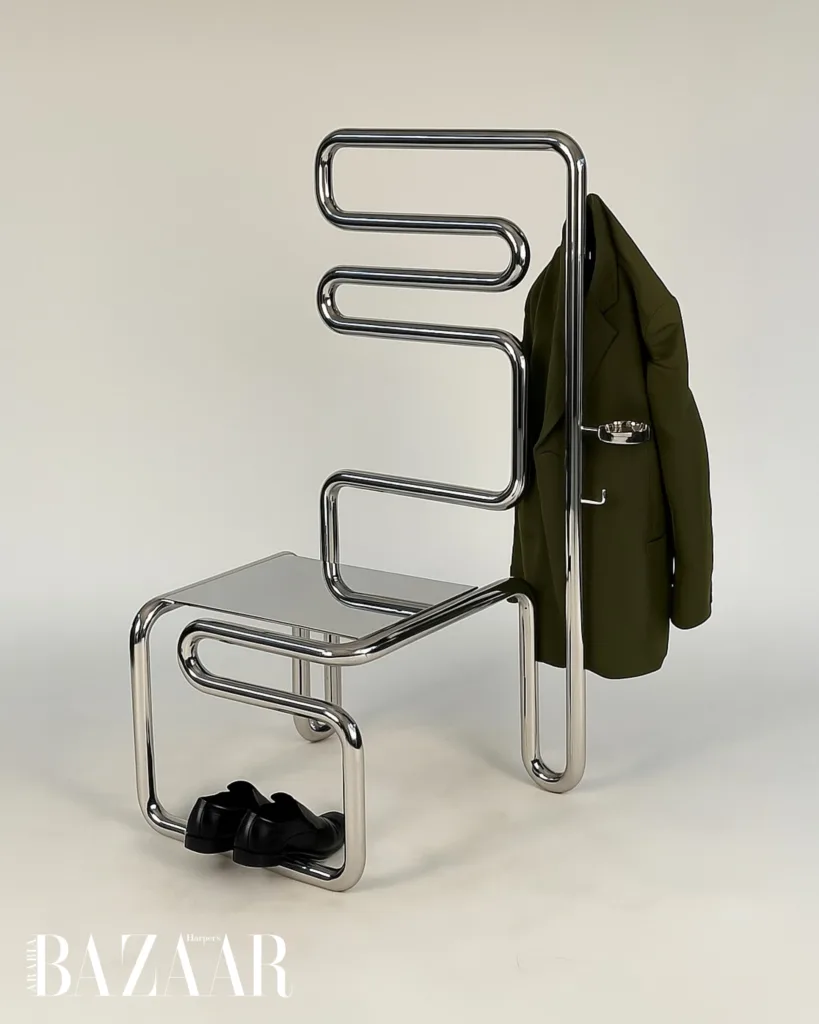
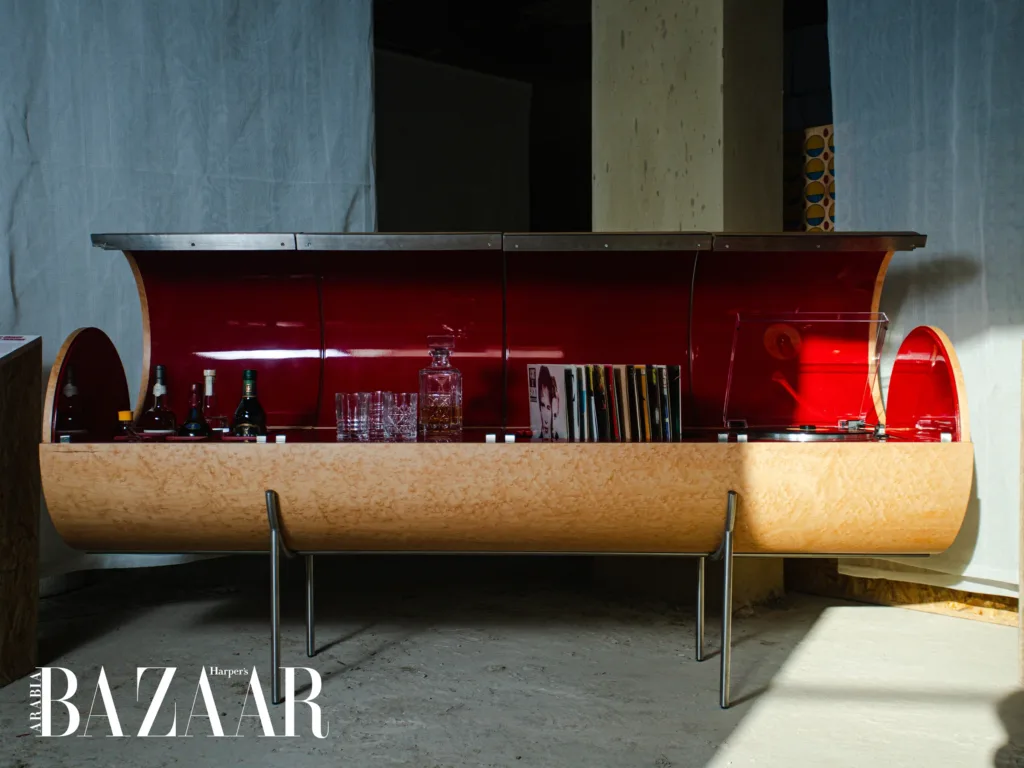
‘Totems of the Present and the Absent’, hosted at the iconic Villa Audi and curated by designer Gregory Gatserelia, welcomed over 30 designers to come together in tribute to SMO Gallery; an influential international platform for Lebanese designers, founded by Gregory, but now closed down. The exhibition serves as a showcase of Lebanon’s still vibrant design community, one that remains as energetic and relevant as ever.
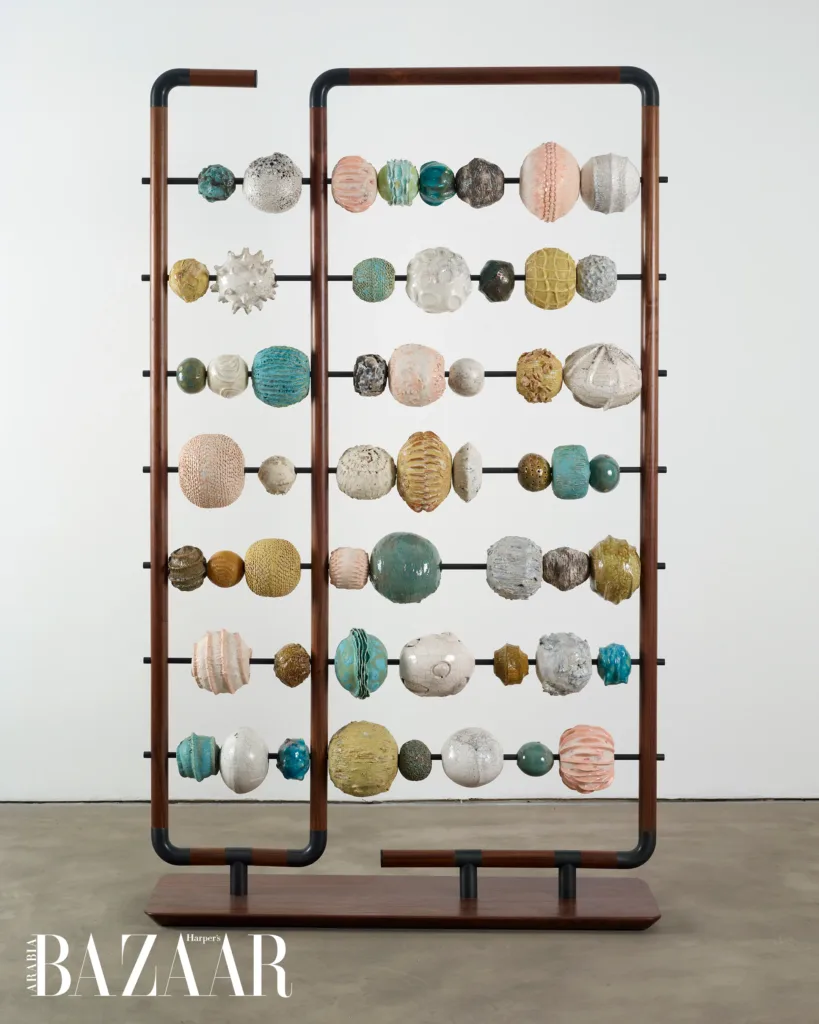
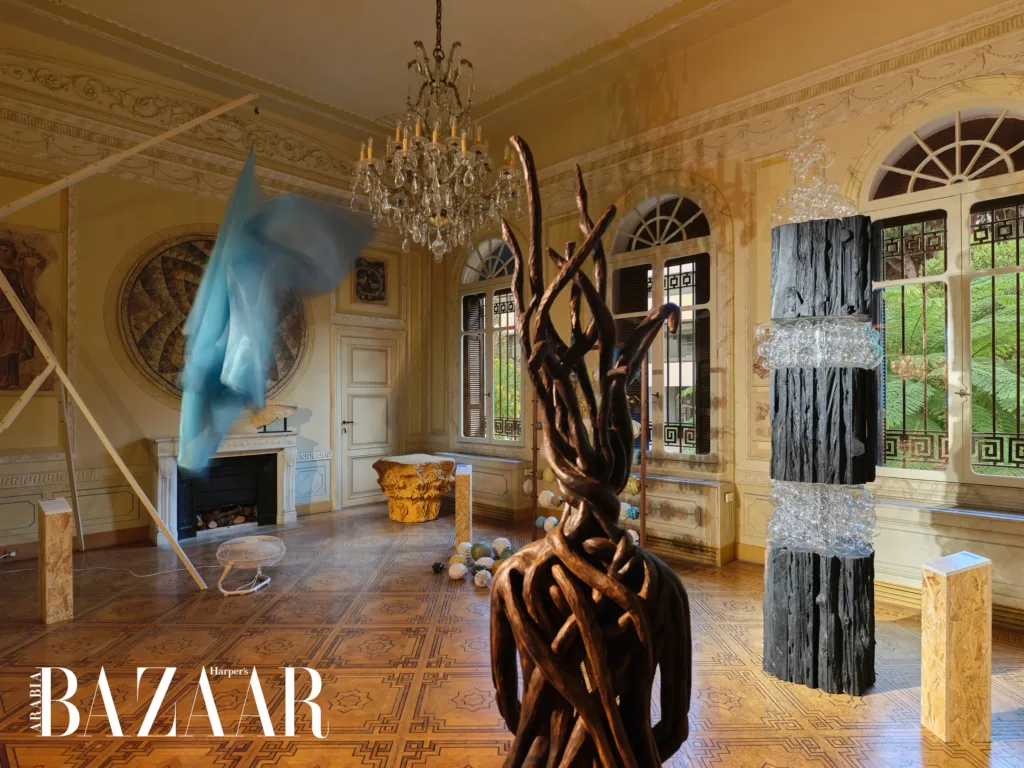
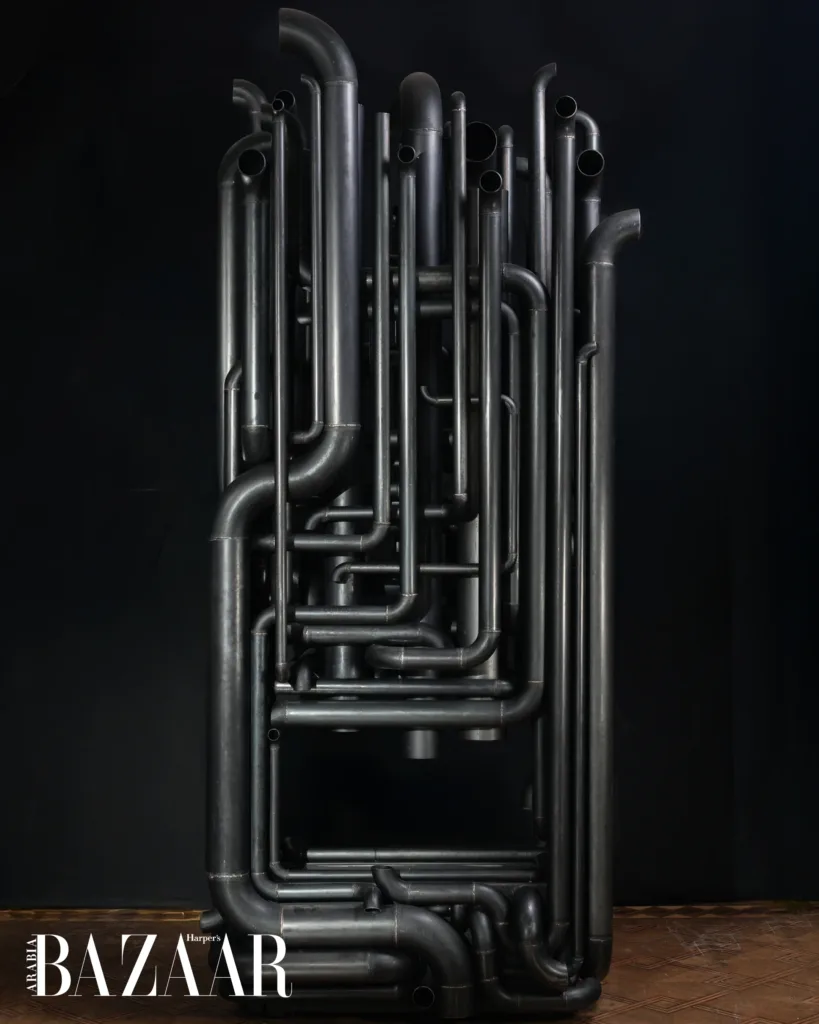
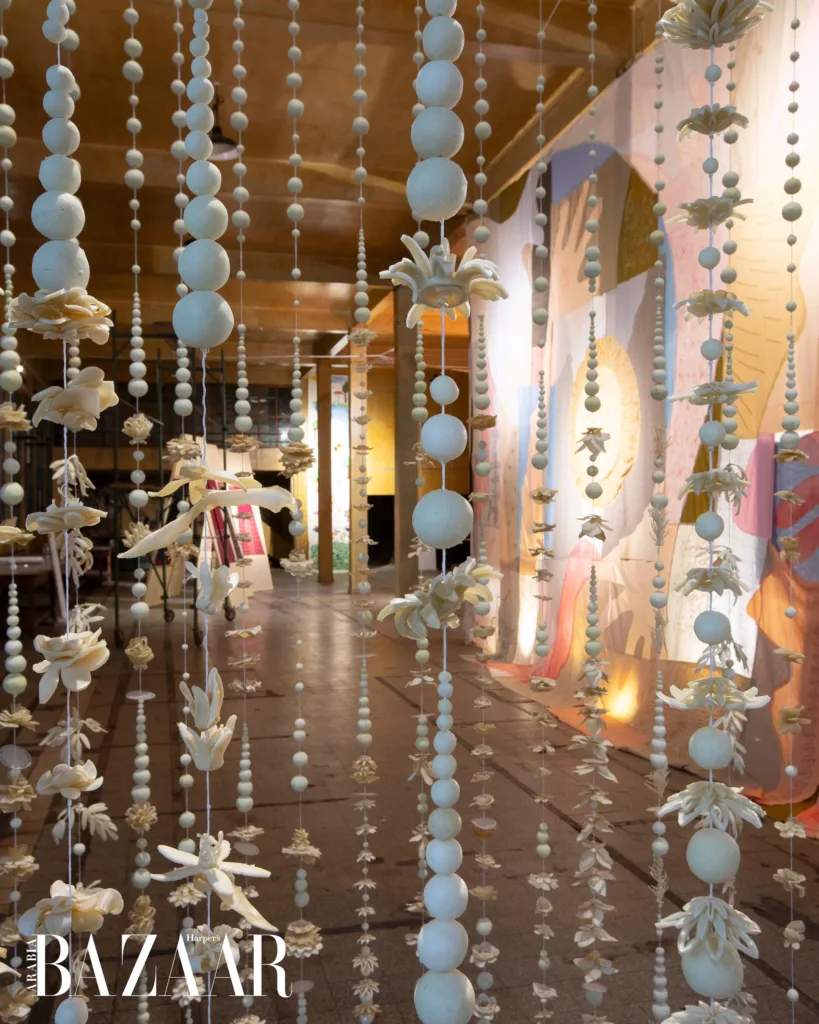
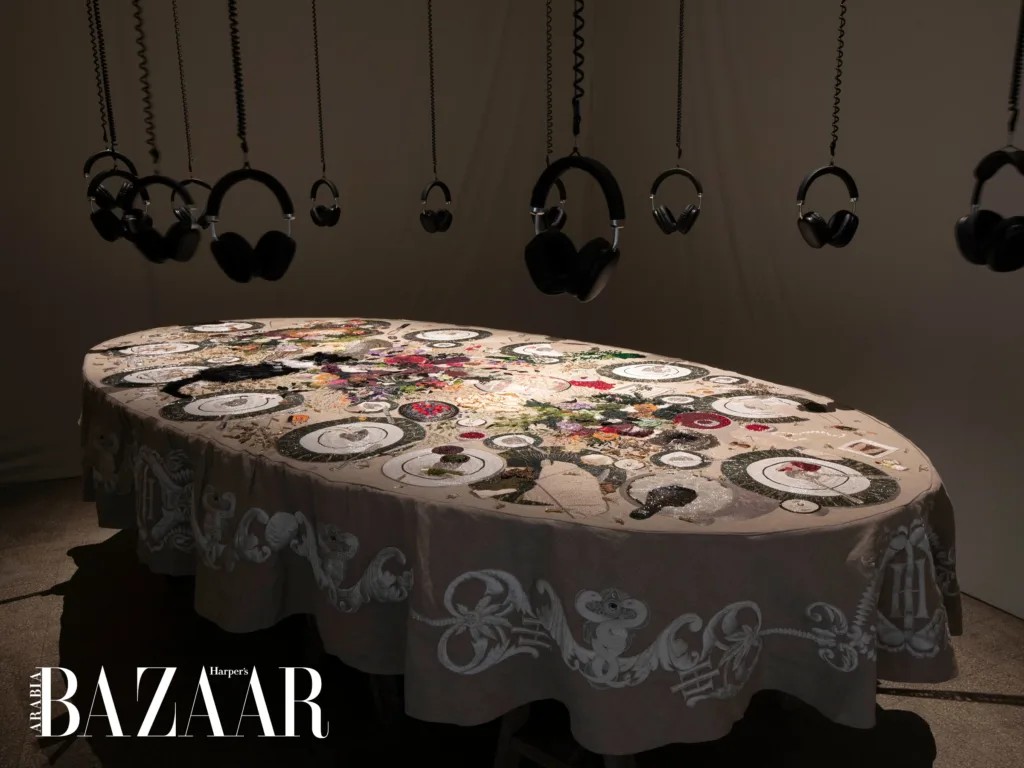
“This is not just a design exhibition,” Gregory explained. “It’s a gathering of presences and absences; a tribute to what’s missing and what refuses to go away, [and a] reminder that, in Beirut, even when something is gone, it’s never really gone. And what better way to mark this moment than with totems? Not the kind that guard ancient tribes, but new totems; personal; political; playful; melancholic; ironic.”
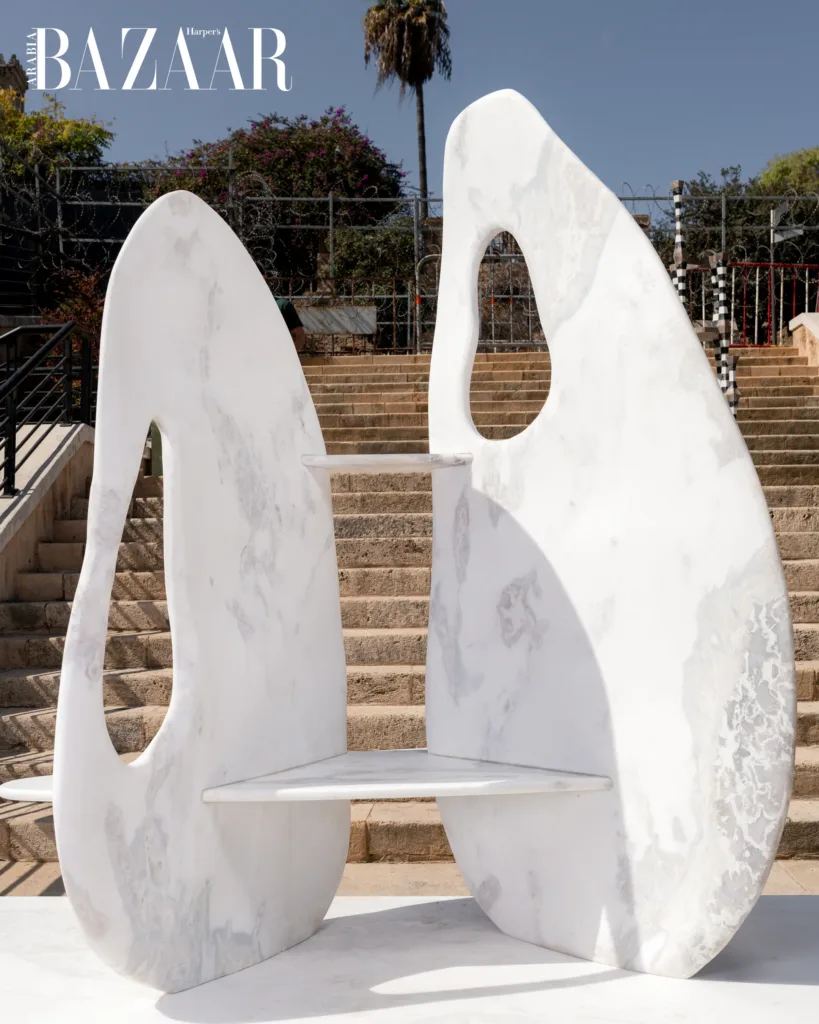
Hidden deep in the heart of Downtown Beirut, ‘Of Water and Stone’ breathed new life into the ruins of the Roman Baths, once part of the ancient city of Berytus, with a series of striking, site-specific marble installations by 21 designers. Visitors were able to walk among these modern-day monuments, bridging Lebanon’s distant past with both the resilience and fragility of its present.
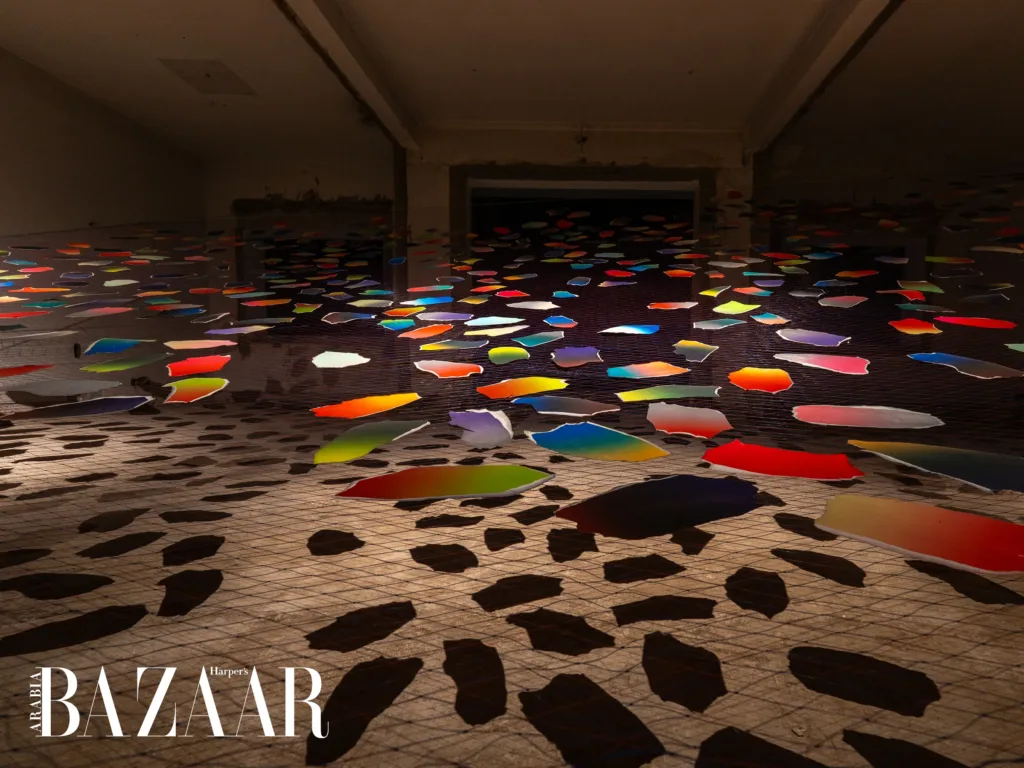
“The Roman Baths were once places of gathering and care, where water, stone and community came together,” explained curator Nour Osserian. “The designers are responding to the site by reactivating its original dialogue between the natural and the built, the ritualistic and the functional. Rather than reproducing historical forms, they reinterpret the baths’ elemental language through contemporary design.”
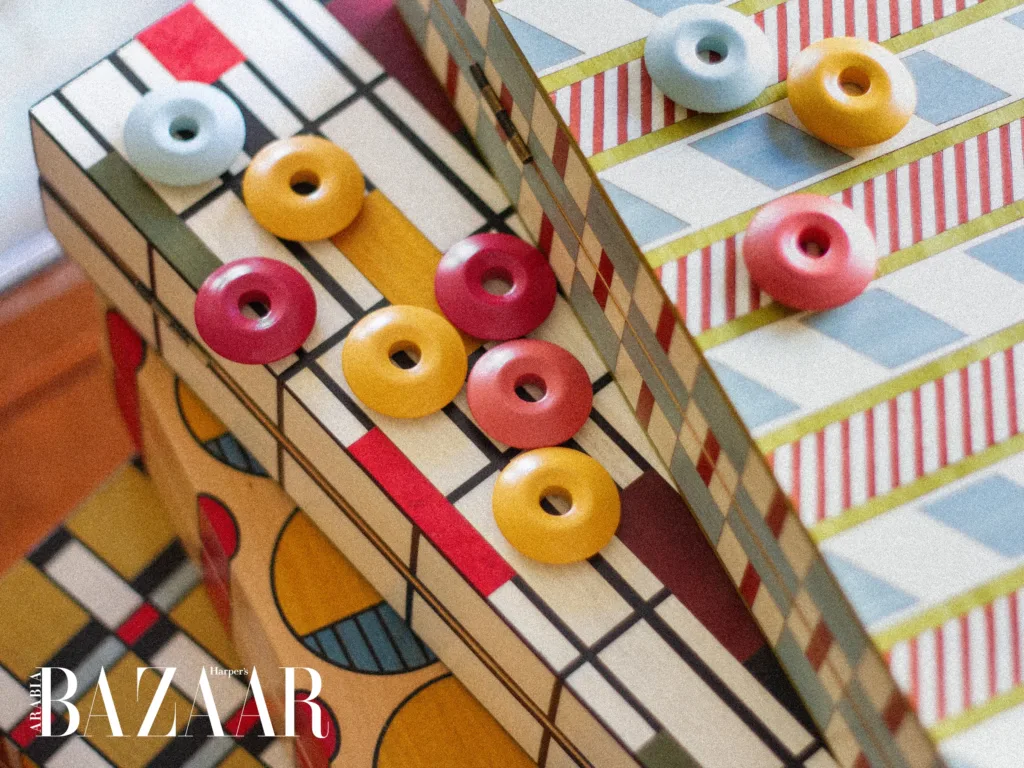
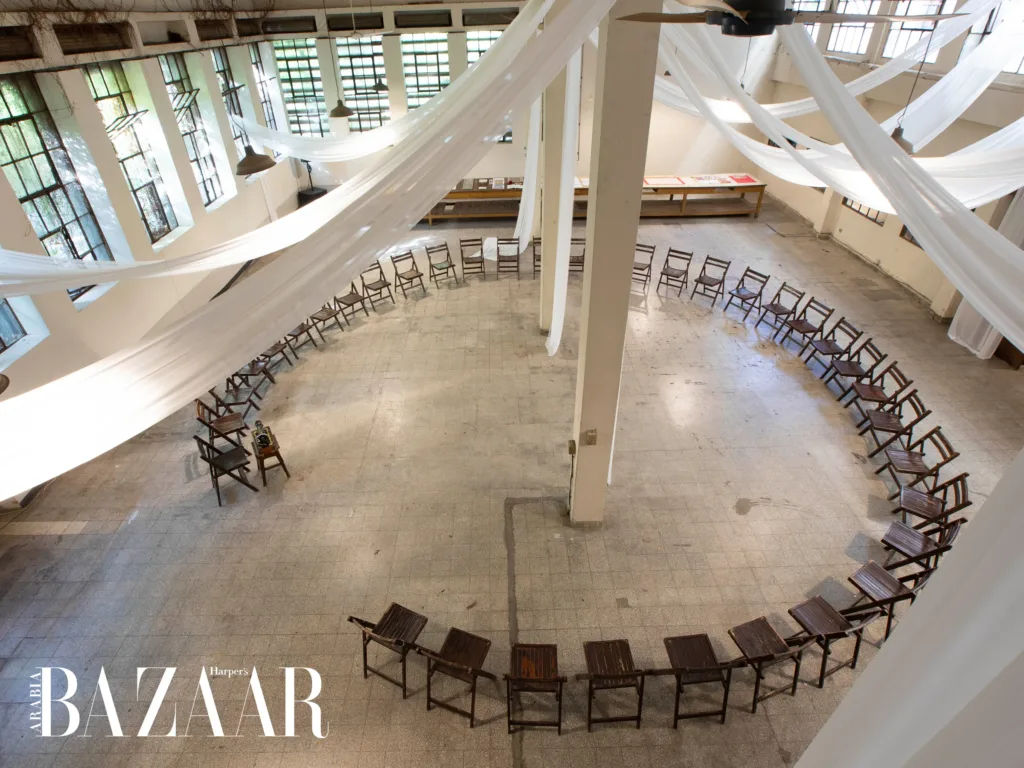
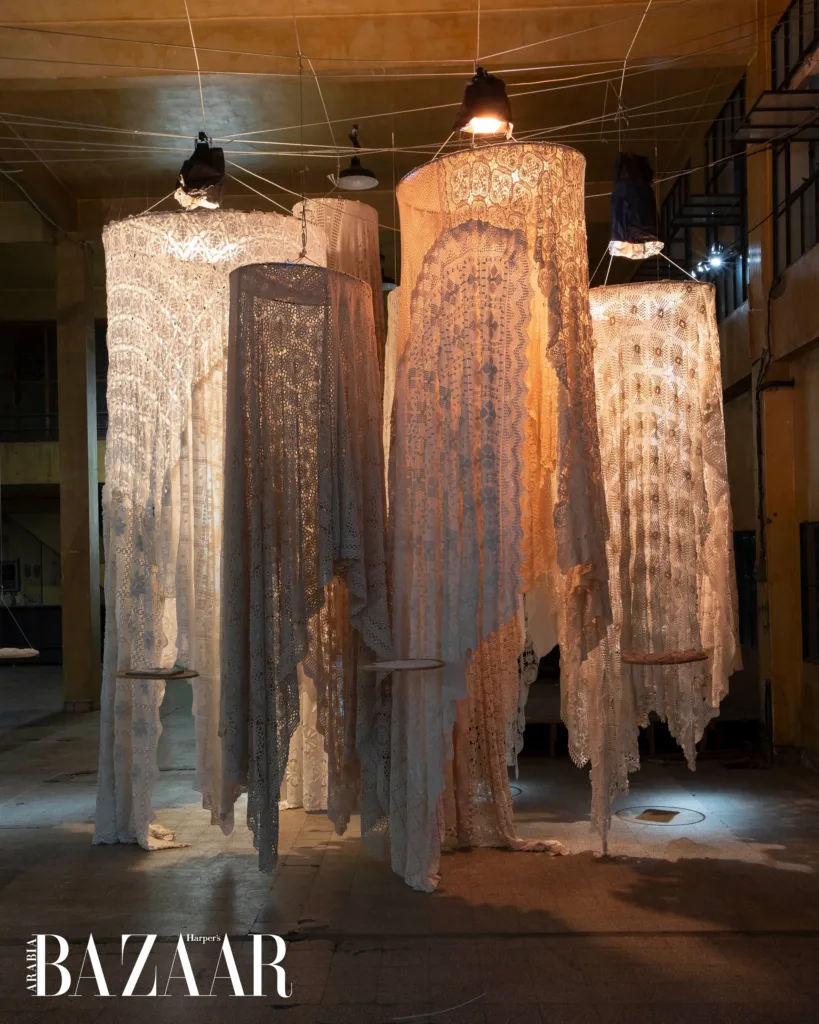
The Abroyan Factory – once an important centre of Lebanon’s textile industry, now abandoned – was home to a pair of unique craft exhibitions, revitalising the 14,000 square meter derelict space in a testament to historical and modern Lebanese craft. The first, ‘Threads of Life’, brought together regional creators to explore the medium of textile as living practice that acts as a vessel for memory and a witness to identity, elevating fabric above mere practicality to a cultural and even spiritual force that connects people to one another with every stitch. By contrast, ‘Métiers d’Art’ saw traditional crafters working in partnership with contemporary designers, bringing the creative process itself to the forefront with live demonstrations, from glass blowing and rattan weaving, to wood carving and marquetry.
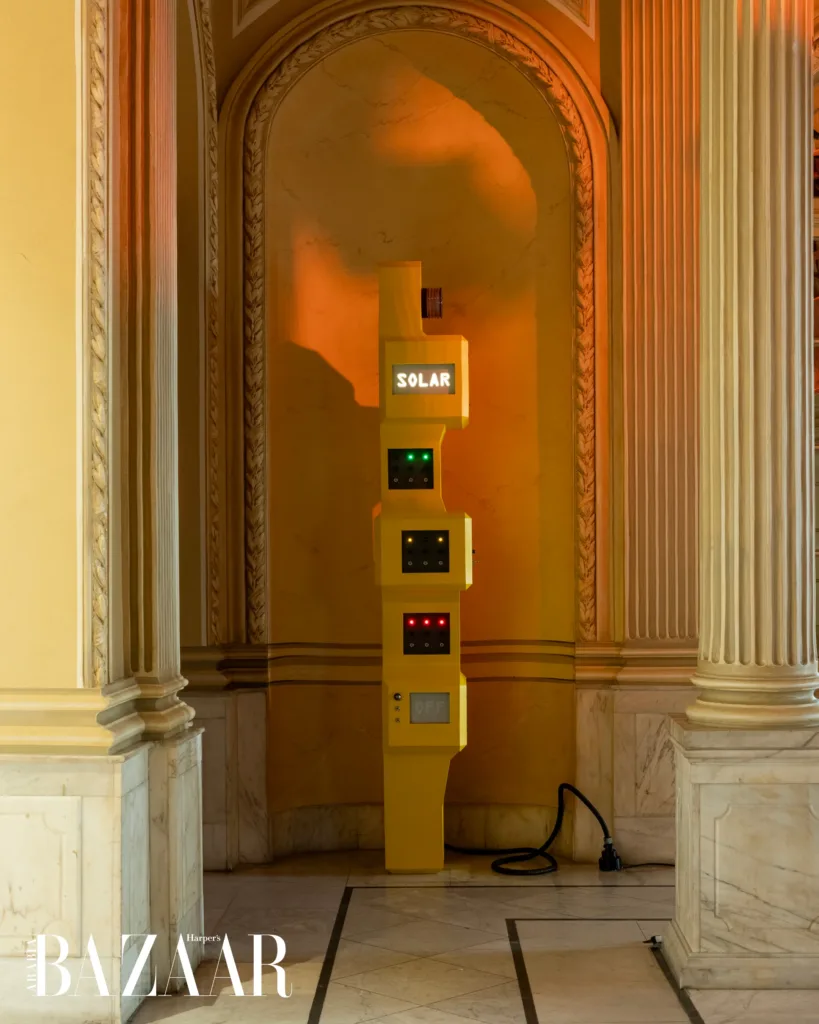
Meanwhile, the Immeuble de l’Union – a modernist architecture icon, located in Beirut’s Sanayeh district and undergoing a major restoration – also opened itself to two exhibitions. ‘Union – A Journey of Light’ led visitors through a sensory journey telling the story of the building itself, illuminating the marks left by the passage of history. Conversely, ‘Rising with Purpose’ gave the spotlight to Lebanon’s emerging designers under 30, giving space for new creative voices and perspectives to shine.
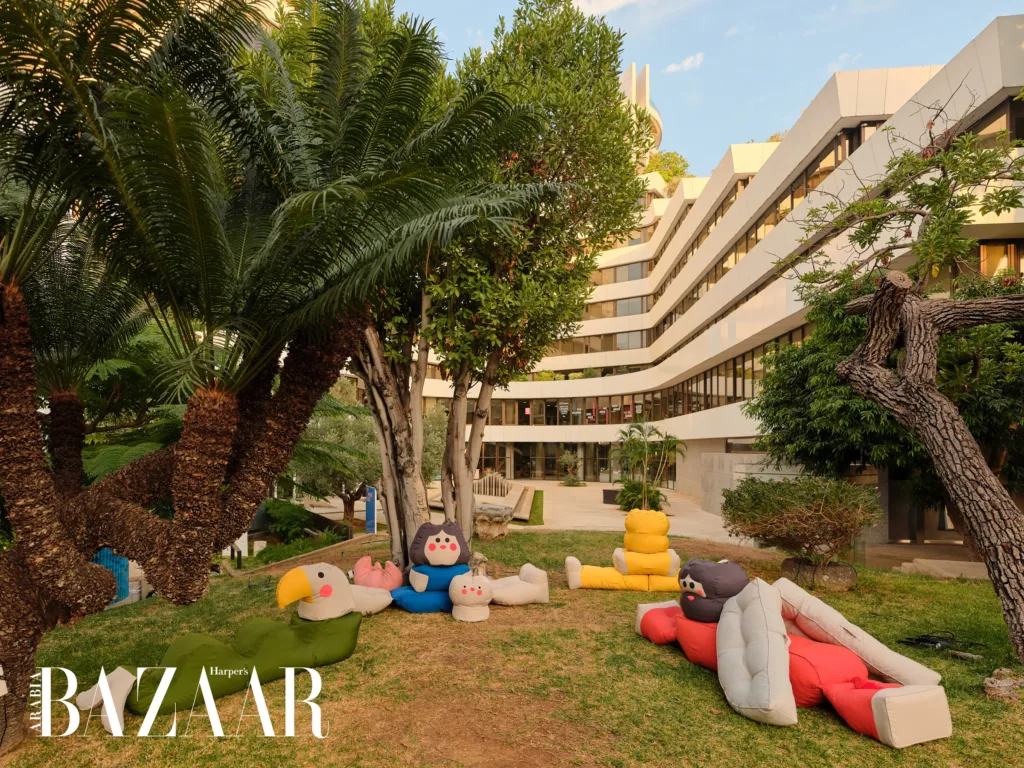
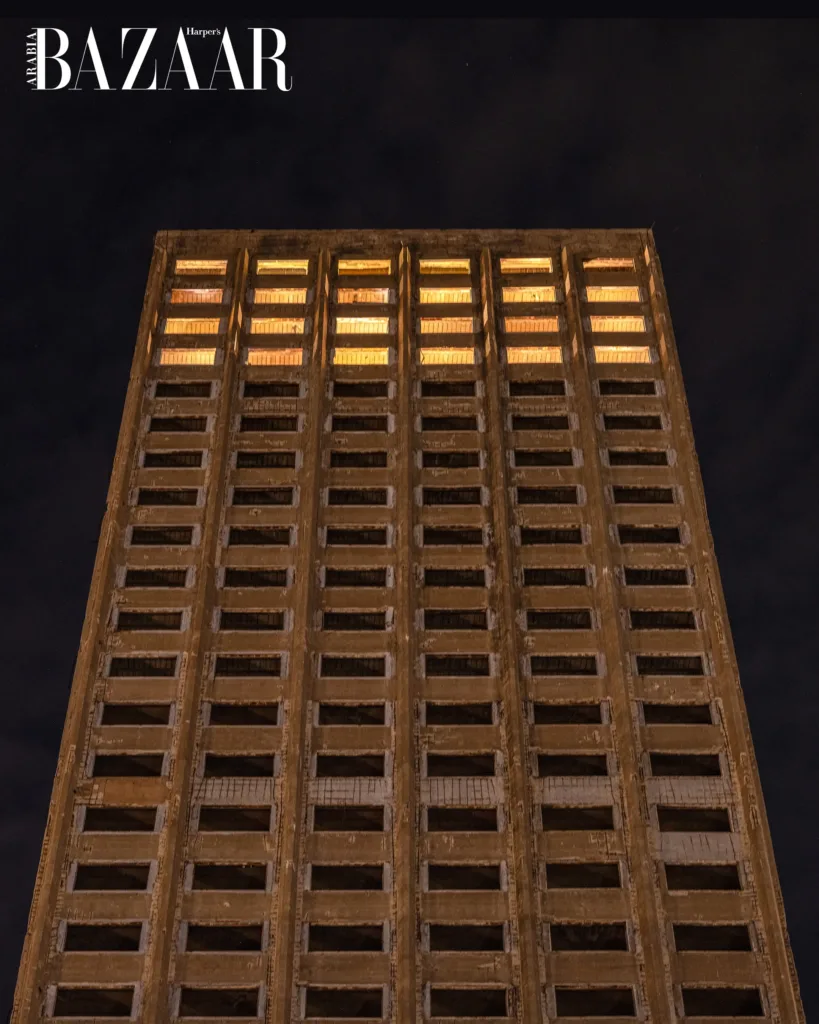
Even a symbol of past strife was turned to positive purpose, with the unfinished and bullet scarred Burj El Murr – once a wartime vantage point – opened to the public for the first time to provide a platform to Lebanese design students from nine universities. Titled ‘Design ‘In’ Conflict’, this exhibition delved into the impact of conflict upon space and form within a country trapped in a constant state of crisis and rupture.
“We are unable to understand the overwhelming love, energy [and] vibrations that this has created,” said Mariana. “I think we really need to take it in – understand what has been created – in order to move in the right direction. I feel that the future of We Design Beirut will [continue to] be a vibrational movement of positivity [and] inclusivity, but I think that We Design Beirut may [also] inspire many other things that will happen in our city.”
Words: Robert McKelvey
Images: Ernard Khalil, Emre Guven, Supplied
From the Harper’s Bazaar Arabia January 2026 issue