
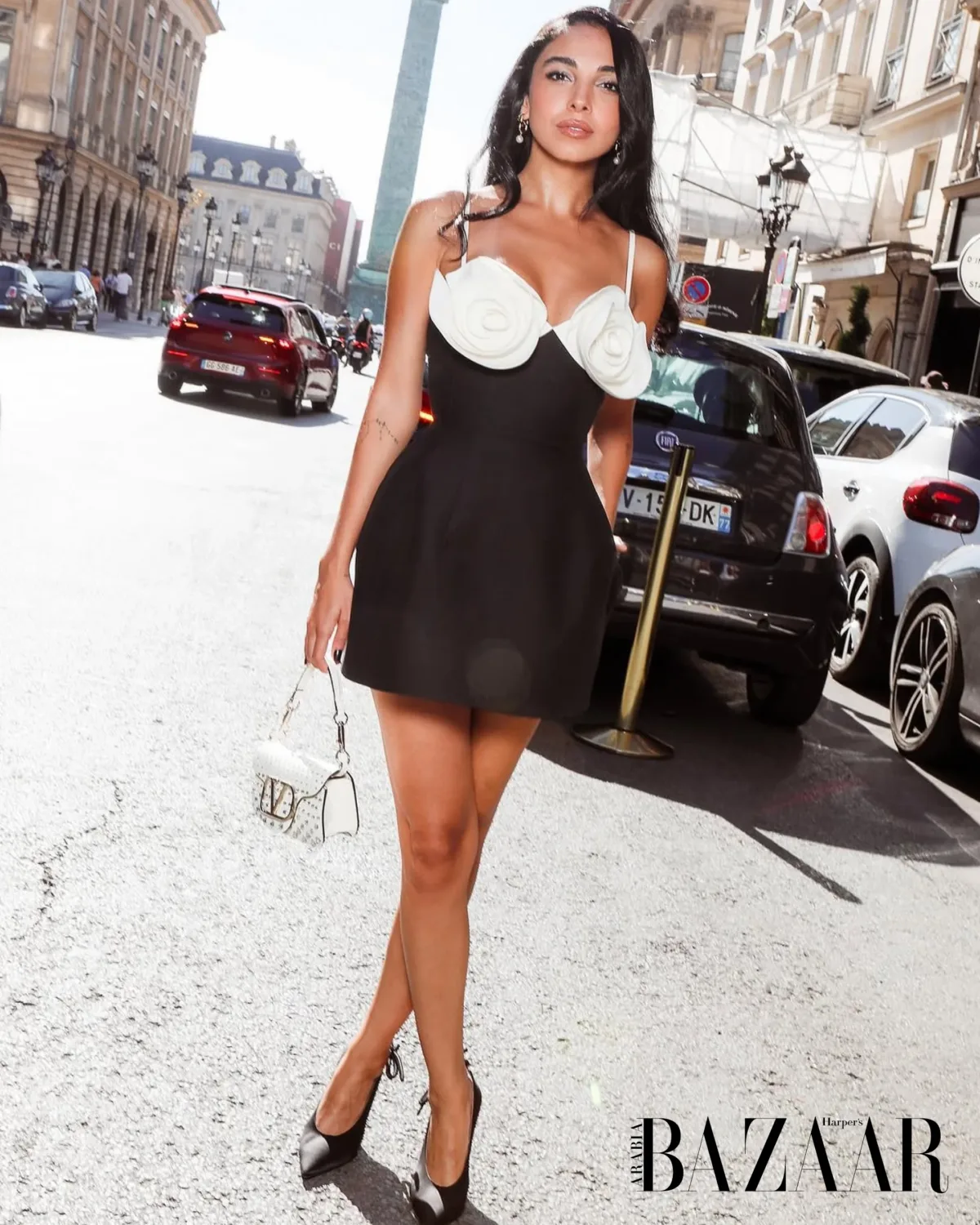
Why How We Get Dressed Is More Important Than You Think
The case for taking getting dressed more seriously…
If you’ve ever put on an outfit and immediately felt more powerful, more capable or more like yourself (or the opposite!), that’s not a coincidence; it’s science – or, more accurately, it’s fashion psychology. “To dismiss fashion as superficial is to overlook the extraordinary role it plays in the human experience,” Yasmina Nessim, author of the recently released The Pursuit of the Power-Suit, tells Harper’s Bazaar Arabia. Because the clothes we wear don’t just reflect who we are, she posits, they can shape how we think, how we carry ourselves, and how we show up to work, to love, to grieve, and to live.

The Egyptian founder of pstyled – by her own account the world’s first fashion psychology consultancy – has spent years working with clients in Cairo and beyond, curating outfits around what a person needs to feel, not how they look. Drawing on academic research and case studies from her own clients, her book argues that clothing does two things at once: it reflects the mood we’re already in, and, with intention, can help move us into the one we’re reaching for.
“For generations, we’ve evaluated what women wear through the lens of aesthetics, appropriateness and appearance,” she says. “We’ve judged clothing by what it says to other people. Is it fashionable? Is it flattering? Is it fierce? When in fact we should be asking a far more revealing question: Is it me?”
Her interest in the power of attire was born from a personal need, an attempt to overcome a long bout of debilitating anxiety and depression, one that had stolen from her, among much else, the joy she had once felt in getting dressed. That was when she began to experiment, she says. “I noticed that some mornings, a specific shirt made the world a little less grim. A graphic T-shirt (from Britney’s 2011 Femme Fatale tour) made me a little more engaging. And so I started documenting it all,” she says. “One question refused to leave me alone: why could something as ‘ordinary’ as getting dressed have such an extraordinary effect on the human mind?”
For celebrity stylist and creative consultant Yasmine Kenawi, who has dressed some of the region’s biggest names – from Salma Abu Deif to Asmaa Galal and more – that same question is one she has long been asking instinctively. “A beautiful photograph can capture an outfit, but it also captures a person’s confidence,” she says. “When they’re really feeling it, the look won’t be wearing her, she’ll be wearing the look.” It’s this shift, Yasmine explains, that is one of the best parts of what she does. “When someone looks at herself in the mirror and stops adjusting everything, her shoulders relax and she becomes more present – that’s when I know we’ve found the right look.”

Research in Yasmina’s book suggests something genuinely physiological is happening in these moments: certain clothes that hug the body, for example, can have a calming effect on the nervous system, not unlike a weighted blanket. But she’s quick to say no single element explains it – it’s memory, identity, culture and physiology, all at once. “A cashmere jumper may soothe one woman because its softness quite literally calms her nervous system, while the very same jumper may overwhelm another who associates that sensation with being bedside at a hospital,” she explains. “The psychology is never universal. It’s profoundly personal.”
What both seem to agree on is that clothing does its best work when it lets the wearer recognise themselves, reflecting who someone actually is, rather than who they feel they need to be. But that’s a harder thing to pull off than it sounds.
Women have always been read by their appearance before they’ve had a chance to say a word. In the Middle East, where a woman’s appearance and choices are additionally refracted through the lens of modesty, family, class, religion, desirability, tradition and modernity, this is all the more complicated. The result, often, is a kind of disconnection from ourselves, and therefore from who we’re getting dressed as in the first place.
“The overwhelming majority of women who have sat opposite me haven’t come because they lacked style or struggle to find cute bootleg jeans,” says Yasmina. “They’ve come because somewhere along the way, they’ve found that who they were needed editing, and that their wardrobes had become places of negotiation, confinement, or punishment rather than self-expression.”
It’s here that clothing’s use can go deeper still, becoming a way of rebuilding self-trust, navigating shame, and reconnecting with an identity we may have become disconnected from, or perhaps never fully met at all. But fashion psychology doesn’t ask women to rebel against their culture, their families or their values, Yasmine is quick to add. “It simply asks that we act in reconciliation rather than performance.” Self-expression and belonging are not competing forces, she emphasises, but equally important for our psychological wellbeing.
There’s a relief in not having to choose – in wearing something that says where you’re from without having to leave behind who you’ve since become. Local designers have made that easier to come by. Amina Khalil launched her own label, Amina K, in 2009, reworking traditional Egyptian textiles into modern pieces long before homegrown fashion carried the cultural weight it does today. She’s watched that shift firsthand. “We have become more proud of our heritage and more confident in expressing it,” she says. “We are no longer looking to the West for validation in the same way. Wearing something designed and made in the region has become a statement of confidence and identity.”
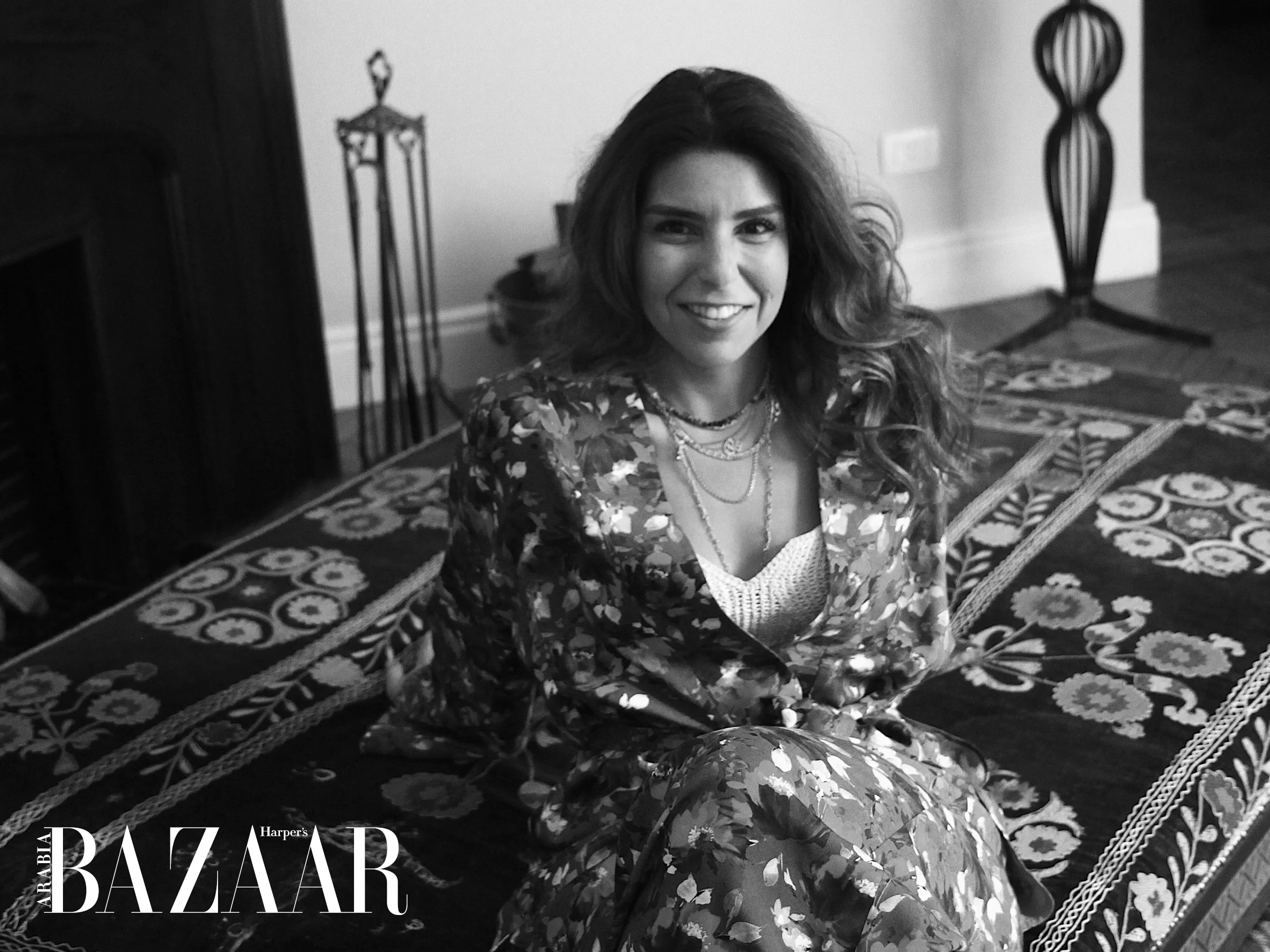
Yasmina’s advice on how to start dressing more intentionally is instinctive: not unlike choosing a playlist. We already know how to match a mood, or shift one, without having to think too hard about it, she says. The trick is to pay attention. “Approach each opportunity to dress as a moment of data collection rather than self-critique. Instead of asking whether an outfit looked good or cool or sexy, ask how it made you think, feel and behave. Over time, patterns will emerge.” What those patterns reveal, eventually, has very little to do with the clothes themselves – and everything to do with who’s wearing them. And that might just be the closest thing to a definition of iconic worth keeping.
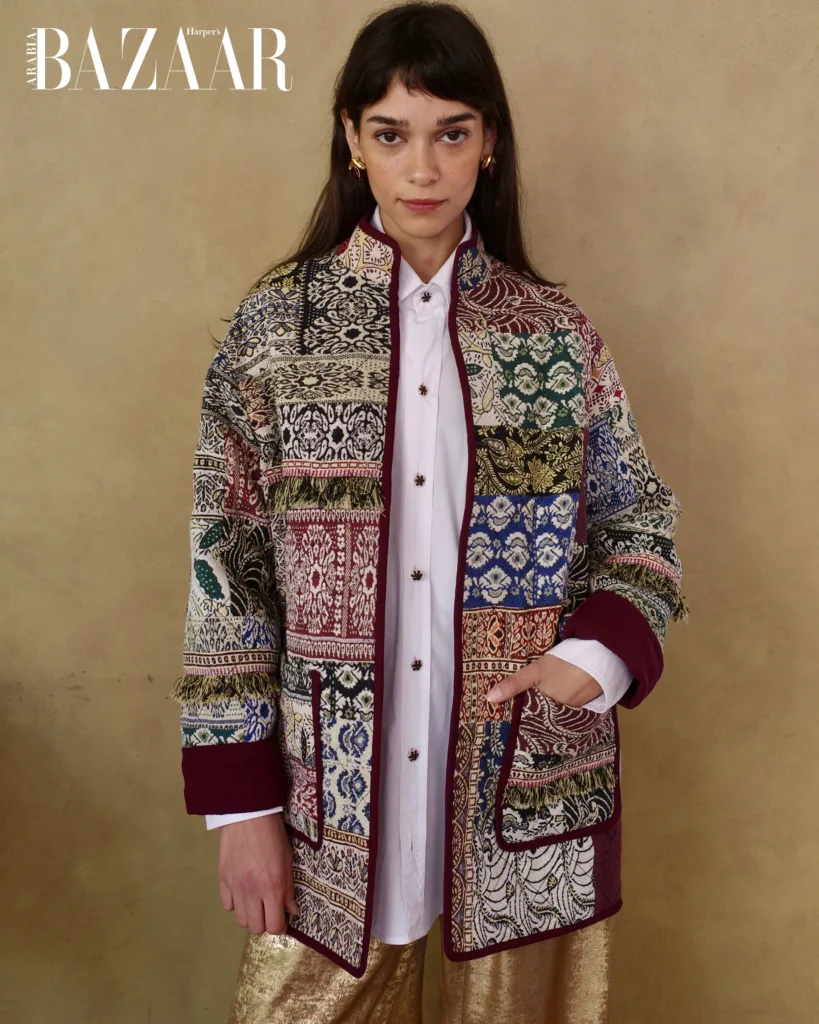
“What makes a woman iconic is being true to herself and her purpose,” agrees Amina. “What she’s wearing doesn’t define her – it simply expresses who she already is.”
Lead Image Credits: Salma Abu Deif wearing Yasmine Kenawi
Photography by: Petros Kouiouris