
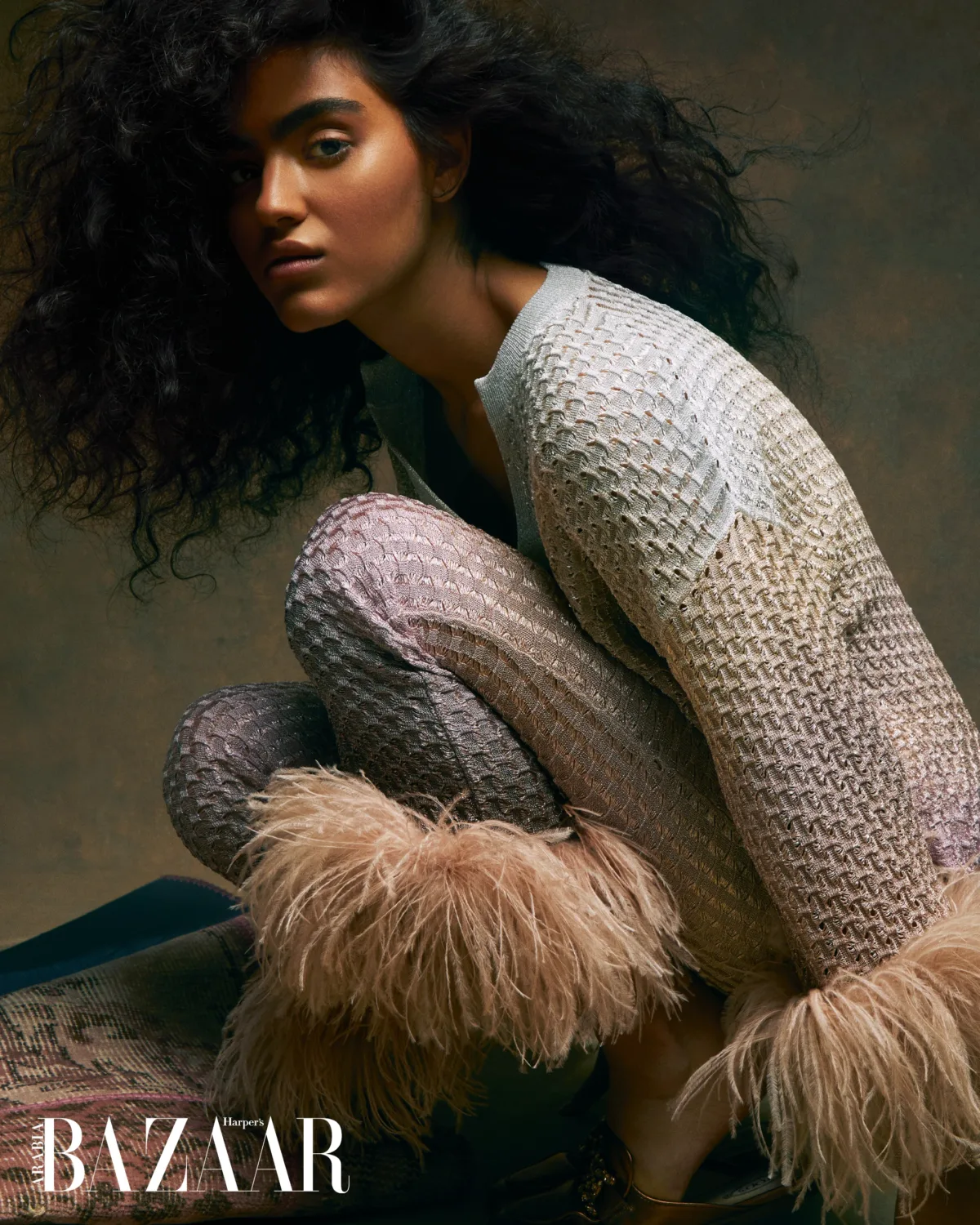
Why The Soft Suit Is Ramadan’s Hero Piece For A Stylish Sundown
Why tailoring is the new eveningwear go-to during Ramadan
Ramadan changes the city’s tempo. Days become quieter, more internal, and then the evening arrives like a shift in lighting. The streets soften. The air cools.
Lobbies brighten. Tables fill. You can feel the social world wake up again, not loudly, but with intention. And with that intention comes a particular kind of dressing, one that is less about spectacle and more about composure. Ramadan evenings rarely reward anything that feels frantic. They ask for polish and for a sense of ease that still reads elevated. They ask you to look as though you belong in the room without needing to announce it. This is why tailoring has become the most modern form of eveningwear.
Not the stiff, corporate suit with hard edges and a narrow idea of power. The soft suit. The kind cut with air in it. The kind that moves without collapsing. The kind that is designed for the hour after sunset, when you want to feel put together but not trapped inside your clothes. A fluid blazer that skims rather than grips. Relaxed trousers that lengthen the leg without shouting.
A waistcoat worn as a top under a blazer, but with a touch of structure. A longline vest that behaves like a dress when it needs to. Tailoring allows coverage without heaviness. It creates line without revealing too much. It carries authority. It is elegant by design. In a month where the evening is often a series of gatherings, where you may move from iftar to late plans, from family to friends, from one room to another, a soft suit holds up.
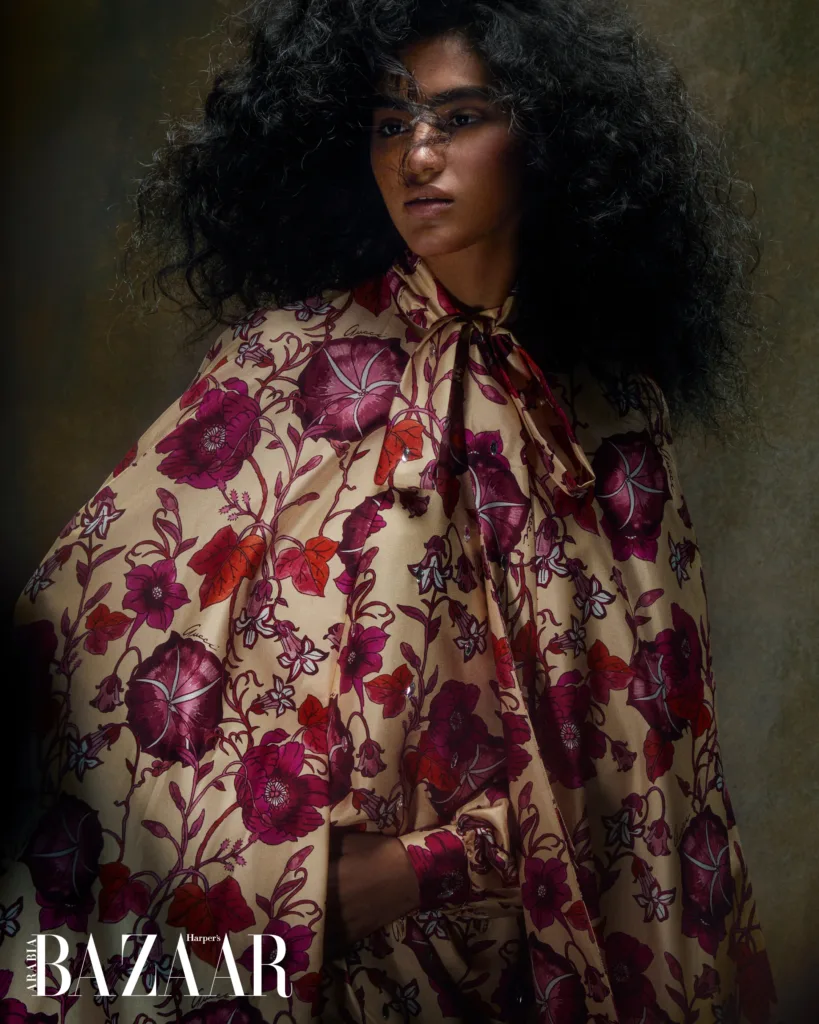
It also speaks to a deeper shift in what we want from evening dressing right now. For years, the default idea of eveningwear has been the dress, the sparkle, the overtly romantic silhouette, the piece that performs its femininity loudly. Ramadan has always been a more nuanced space for fashion than outsiders assume, but the new appetite is even clearer: we want glamour that feels intelligent. We want elegance that does not rely on obviousness. We want to be unforgettable without being loud. Tailoring, especially in its softer S/S26 form, delivers that.
Part of its appeal is psychological. A dress can make you feel beautiful, but a suit can make you feel composed. It changes the way you inhabit a room. You stand differently. You move differently. You become less likely to fidget, less likely to apologise for taking up space. You can sit for a long meal and still look sharp when you stand again. You can arrive late and look as though you planned to. In a month that is as much about presence as it is about schedule, that kind of self-possession matters.
There is also a subtle social intelligence to wearing tailoring at night. Dresses can sometimes feel like they are trying too hard to be ‘evening.’ A soft suit feels like you understand the room. It suggests you are not dressing for attention; you are dressing for yourself, which, ironically, is often what draws attention in the first place. Confidence, when it is real, has a quietness to it.
The soft suit is also, crucially, a styling playground without becoming a costume. Ramadan dressing can be a balancing act, not because of simplistic rules, but because the month brings different settings and different types of gatherings into one calendar. Tailoring adapts. It allows the underpinnings to shift the mood without changing the entire look.
A fluid blazer over a floor-length dress or a button-up. A double-breasted blazer worn as the main piece can feel fashion-forward, especially when paired with relaxed trousers and strong jewellery. A roomy, longsleeve crewneck worn over a column skirt or wide-leg trousers can behave almost like a modern abaya, but with the coolness and intention of a runway silhouette. The point is not to ‘dress up’ tailoring with gimmicks. The point is to let tailoring do what it does best, create line, create ease, create authority, then allow a few deliberate styling choices to make it evening.
Accessories, in this category, are not extras, they are the punctuation marks. A strong earring that catches the low light. A single sculptural bag. Shoes that are clean and decisive rather than complicated. Ramadan evenings are not the moment for an outfit that needs constant maintenance.The soft suit does not want fuss. It wants one or two strong
decisions and then silence.
Colour matters too. In the Middle East, black will always be the simplest form of evening. But the soft suit trend becomes most interesting when it plays with other evening neutrals, deep creams, stone, sand, midnight navy, rich chocolate, soft metallics that read more like a sheen than a sparkle. These shades feel modern in the low light of an iftar setting, and they photograph beautifully without feeling like you are dressed for the camera.
The most elegant Ramadan tailoring is lightweight, breathable, and fluid enough to move through the evening without losing its shape. Linen blends that do not crease into chaos. Wool-silk mixes that hold a line while feeling light. Satins that read as luxurious without becoming clingy.
This is also why the suit has become the modern answer to the question of modesty versus modernity. Tailoring offers an elegant third path. It is not about covering for the sake of it. It is about dressing with intention. A blazer can create coverage, yes, but more importantly it creates shape. A trouser can be modest, yes, but more importantly it creates a long, composed line. A waistcoat can feel daring without being overt. A long vest can feel modest without being conservative.
Tailoring is a language of control, and control is always chic. Perhaps that is the deeper reason tailoring has become the new eveningwear. Not because we are tired of dresses, but because we are tired of being told that glamour must look a certain way. Ramadan, in its quiet intensity, has a way of bringing those values to the surface. It is a month that asks for thoughtfulness. It asks for a certain calm. It asks you to move through evenings with grace, and a soft suit does exactly that. It does not sparkle, but it shines. It does not shout, but it holds the room.
Photography: Daniel Asater. Styling: Seher Khan
Note: This content was created and printed prior to February 28, 2026
From Harper’s Bazaar Arabia March 2026 Issue