
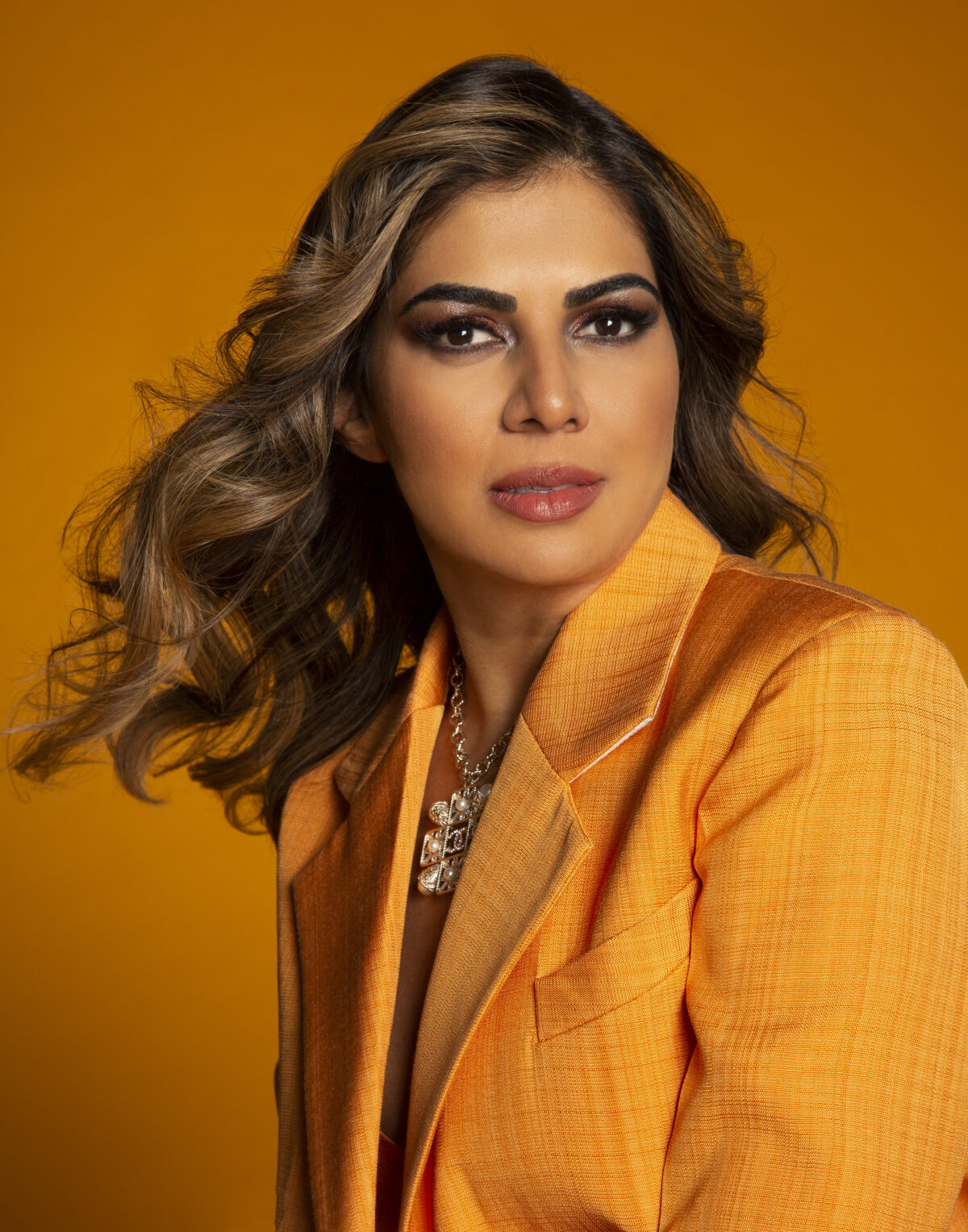
Zufi Alexander on Why the Middle East Is the Market That Matters When It Comes To Luxury Bags
From Paris Fashion Week to counting Beyoncé as a client, and now a bold new chapter in the Middle East – Zufi Alexander introduces her new Thee Other Bag, discussing the future of fashion technology and what it really takes to build a luxury brand
Since founding her eponymous luxury handbag brand in 2004 and debuting at Paris Fashion Week, Zufi Alexander has designed for Louis Vuitton’s private members’ club, served as Creative Director of French luxury house Morabito, and seen her pieces carried by Beyoncé, Cate Blanchett, Sienna Miller and Alicia Keys. Named New Accessories Designer of the Year at London Fashion Week and recognised as a Rising Star by the Financial Times, Alexander has spent two decades building a career that sits confidently at the intersection of craftsmanship, culture and commerce. Now she is back with two significant moves at once.
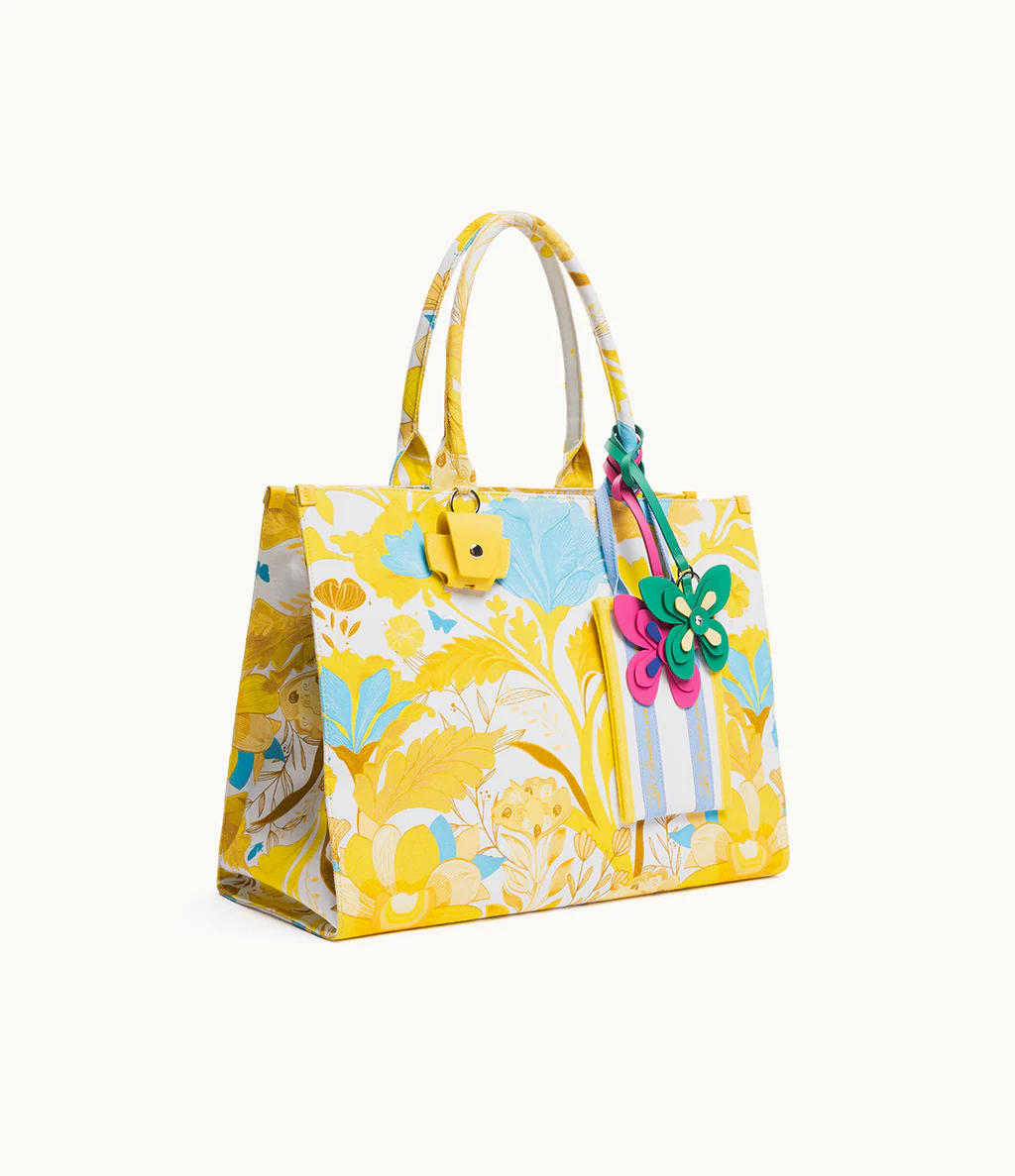
Introducing the Thee Other Bag, a bold new addition to the Zufi’s handbag line – conceived for the woman who wants quality and ease in equal measure and Zedit, an intelligent wardrobe platform she describes as carrying your wardrobe in your pocket. Zedit is designed to bridge the gap between owning fashion and truly utilising it, combining digital wardrobe organisation, expert styling and exclusive access in one seamless platform built for the modern woman.
Here, Harper’s Bazaar Arabia sits down with the designer, entrepreneur and tastemaker Zufi to discuss her path to success, and the major moves on her horizon.
You’ve built a career across luxury design, creative direction, and entrepreneurship. What first inspired you to enter the fashion industry, and how has that vision evolved?
My journey into fashion was driven by a deep fascination with craftsmanship and storytelling through objects. Early on, I was captivated by the emotional power of design, how a single piece can evoke identity, confidence, and presence. Over time, that vision has evolved into creating not just products, but ecosystems that merge design, functionality, and technology, enhancing how people experience fashion in their everyday lives.
Your handbag brand debuted at Paris Fashion Week in 2004. What do you remember most about that launch?
Debuting at Paris Fashion Week was both exhilarating and surreal. What stands out most is the sense of validation – presenting my work on such a global stage alongside established houses. It was a defining moment that reinforced my belief in the brand’s vision.
Your designs have been worn by names such as Beyoncé, Cate Blanchett, and Alicia Keys. How important is celebrity placement in building a luxury brand today?
Celebrity placement can be incredibly impactful in amplifying visibility and reinforcing desirability. However, authenticity remains essential, it is most powerful when there is a genuine alignment between the individual and the brand’s values. Today, it forms part of a broader narrative that includes community, storytelling, and a strong digital presence.
You’ve worked with iconic houses like Louis Vuitton and Morabito. What lessons did you take from collaborating with long-standing luxury brands?
Working with heritage houses instilled in me a deep respect for discipline, consistency, and meticulous attention to detail. There is an unwavering commitment to craftsmanship and legacy, paired with a clear understanding of how to evolve while staying true to core values, something I continue to carry into my own work.
What was the creative vision behind the Thee Other Bag?
The “Thee Other Bag” was conceived as a response to real, everyday life, something I personally felt was missing. I wanted to create a piece that could truly hold everything, without compromise. In my mind, it was always “thee other bag”, not your most precious item, but the one you instinctively reach for. Something you can carry everywhere, toss aside, and not overthink, while still appreciating its quality, craftsmanship, and considered design.
Over time, it naturally became associated with beach days and modern motherhood, but its essence remains unchanged: effortless functionality with intention. There is also a personal dimension to it. My fascination with bags and shoes began early, shaped by my mother. That influence stayed with me, evolving into a desire to create pieces I once imagined, designs that feel like a dialogue between past and present, where vintage references meet a modern sensibility. The “Thee Other Bag” ultimately reflects that balance: practical yet refined, familiar yet reimagined.
Why was now the right time to refocus on the Middle East?
The Middle East represents a dynamic and sophisticated luxury market, with a deep appreciation for craftsmanship and design. It felt like a natural moment to reconnect with this audience, particularly as the region continues to establish itself as a global fashion hub.
Alongside fashion, you’re launching Zedit, an intelligent wardrobe platform. What gap in the market made you want to create this app? And do you see this as the future of fashion consumption?
Zedit was born from a desire to simplify and personalise the way people interact with their wardrobes. There is a clear gap between owning fashion and truly utilising it. The platform aims to bridge that gap through intelligent organisation and styling, creating a more seamless relationship between people and their clothing. I do believe this kind of integration between fashion and technology represents the future, it’s about making fashion more intuitive, more accessible, and ultimately more meaningful. In many ways, it’s like carrying your wardrobe in your pocket.
How do you balance creativity with technology when building a fashion-tech platform?
It’s about ensuring that technology serves creativity, rather than the other way around. Design and user experience always come first, with technology acting as an enabler to enhance that vision. Maintaining that balance is essential to creating something that feels both innovative and intuitive.
As a female entrepreneur in luxury and tech, what challenges have you faced that people may not see publicly?
There are often unseen challenges around navigating expectations, building trust, and balancing multiple roles simultaneously. Establishing credibility across both creative and technological spaces requires persistence, resilience, and a strong sense of self-belief.
What advice would you give to young women who want to build brands that feel both aspirational and commercially strong?
Stay true to your vision, but remain adaptable. Build with a clear point of view, while never overlooking the importance of strong business foundations. Surround yourself with the right people, and be willing to evolve, while staying grounded in your core identity.
Looking ahead, what does the next chapter of the Zufi Alexander brand look like?
The next chapter is centred on expansion and integration, growing the brand’s global presence while continuing to innovate at the intersection of fashion and technology. It’s about building a cohesive universe where product, digital experience, and community come together seamlessly.
Imagery supplied