

Culture Club: Everything You Need To Know About Microbiome Skincare
Welcome to the new world of ‘biome-based’ skincare. With its promise of a healthy skin barrier and renewed natural glow, here’s how fermented ingredients are coming for your beauty routine
From sauerkraut to kimchi, fermented foods are the new status symbol for wellness fanatics who swear by live strains cruising into the gut, where they kill off harmful bacteria. But lately, fermented ingredients are infiltrating our beauty products too, signalling a boom in biome-based skincare…
What is Microbiome Skincare?
Bacteria, fungi and skin may sound like unlikely bedfellows, but the surface of your skin is home to a vast ecosystem of flora (all 100 trillion of them) – just as in the gut.
“It’s estimated that 21 per cent of your body’s bacteria is found on your skin,” said Jules Miller, founder of The Nue Co, a skincare and wellness brand that is part of Net-A-Porter’s increasingly 360˚ approach to beauty. The primary goal of all this good bacteria, which happily lives and snacks on your microbiome, is to support your skin’s protective barrier and keep a multitude of complexion woes, including dryness, irritation, acne and eczema, at bay. Likewise, fermented ingredients work in a similar way on the skin as they do in the digestive system, keeping everything in a state of balance. For this reason, a growing number of beauty brands are now leaning on these actives to create biome-friendly skincare.
The move couldn’t be more expertly timed. While the road to perfect skin is rarely a smooth one, our modern lifestyles don’t do our microbiome any favours. Trevor Steyn, founder of Esse, the first live probiotic skincare brand, blames our collective obsession with harsh cleansers, which strip skin of the natural oils that bacteria feed on.
“Everyday stressors such as pollution actively impair our skin’s microbiome in much the same way as they do our gut,” added Jules.
Nor is it a coincidence that fermented skincare is having a moment right now. A new post-pandemic mood is blowing in, and with it, a focus on improved immunity – even down to that of our skin.
Microbiome Skincare: Here Comes The Science Bit…
Put simply, fermentation is a process in which microorganisms such as bacteria and yeast are added to natural ingredients to break them down into smaller compounds. It’s said that these small, concentrated molecules are able to penetrate the skin better and are thus more effective. Arguably the most under-the-radar fermented ingredient, and yet one you’re likely to already be using, is glycolic acid. This impressive skin resurfacer comes from fermented sugar cane. It can be found in Murad’s new Daily Clarifying Peel, which deploys AHAs at a low concentration, alongside soothing glycerin and plant extracts to avoid the risk of irritation. Another, which is currently causing ripples in the skincare world, is saccharide isomerate. Whind’s recently launched Medina Dew Melting Rose Water Cream enlists the help of this sugar-based humectant to lock moisture into the skin.
Likewise, the fermentation process can also produce new potent antioxidants and, crucially, probiotics that were not previously in the mix. Of these, kombucha, a fermented black tea, serves up a liberal helping of both for unparalleled protection. The cultish Fresh Kombucha Facial Treatment Essence deactivates pollution particles when patted onto the skin post-cleanse; Elemis Superfood Glow Priming Moisturiser hydrates with kombucha and fermented ginger, while Drunk Elephant’s Sweet Biome Fermented Sake Spray cocktails fermented sake with kombucha to keep the skin barrier strong and repel free radicals. For acne-prone skin, Izil Beauty’s Golden Glow Face Mask combines multiple congestion-clearing mechanisms in one: clay to draw out impurities, antibacterial honey and a probiotic strain (Lactobacillus Ferment Lysate Filtrate) for its anti-inflammatory properties. And proving that mushrooms really are magic, is the Dr. Andrew Weil for Origins line. Its Mega-Mushroom Relief and Resilience Weightless Moisturiser uses fermented chaga mushrooms, a powerful anti-irritant, to balance the skin and reduce redness.
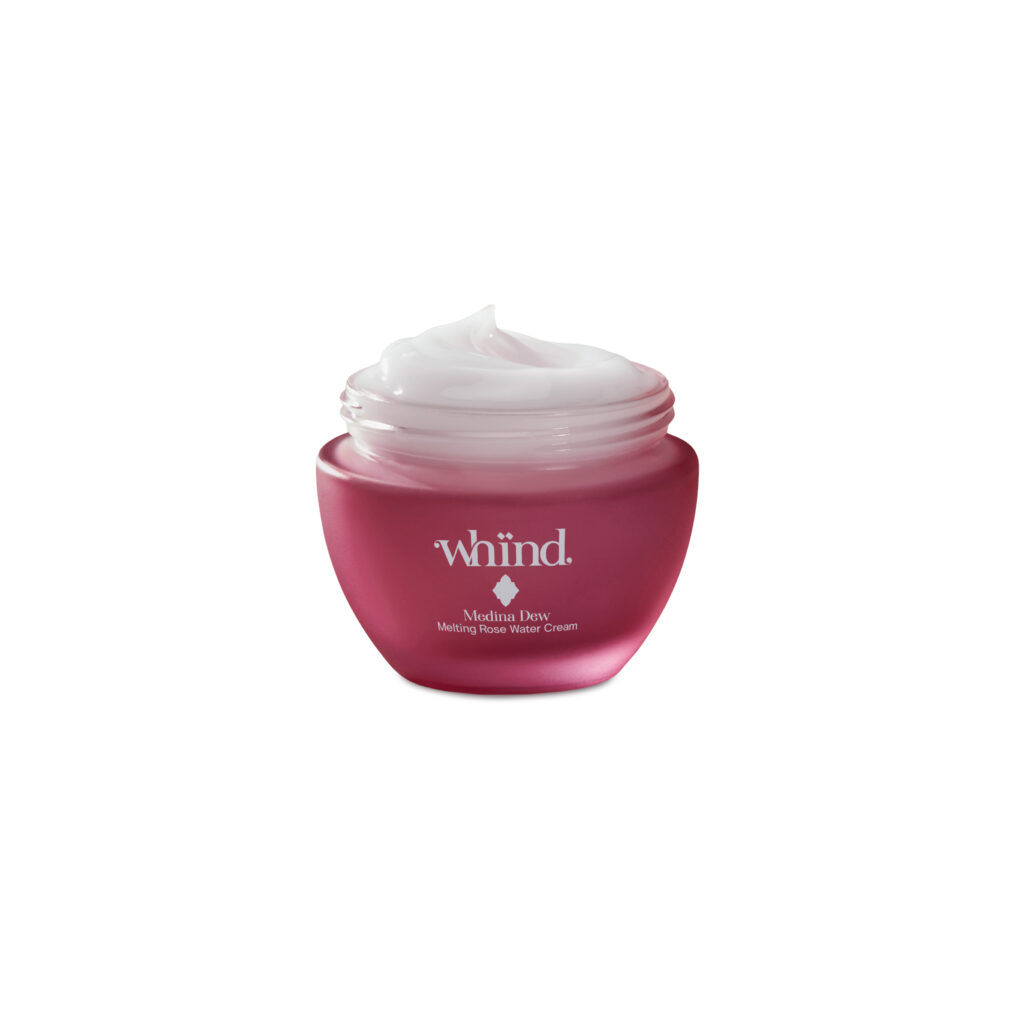
Medina Dew Melting Rose Water Cream, Dhs250, Whind 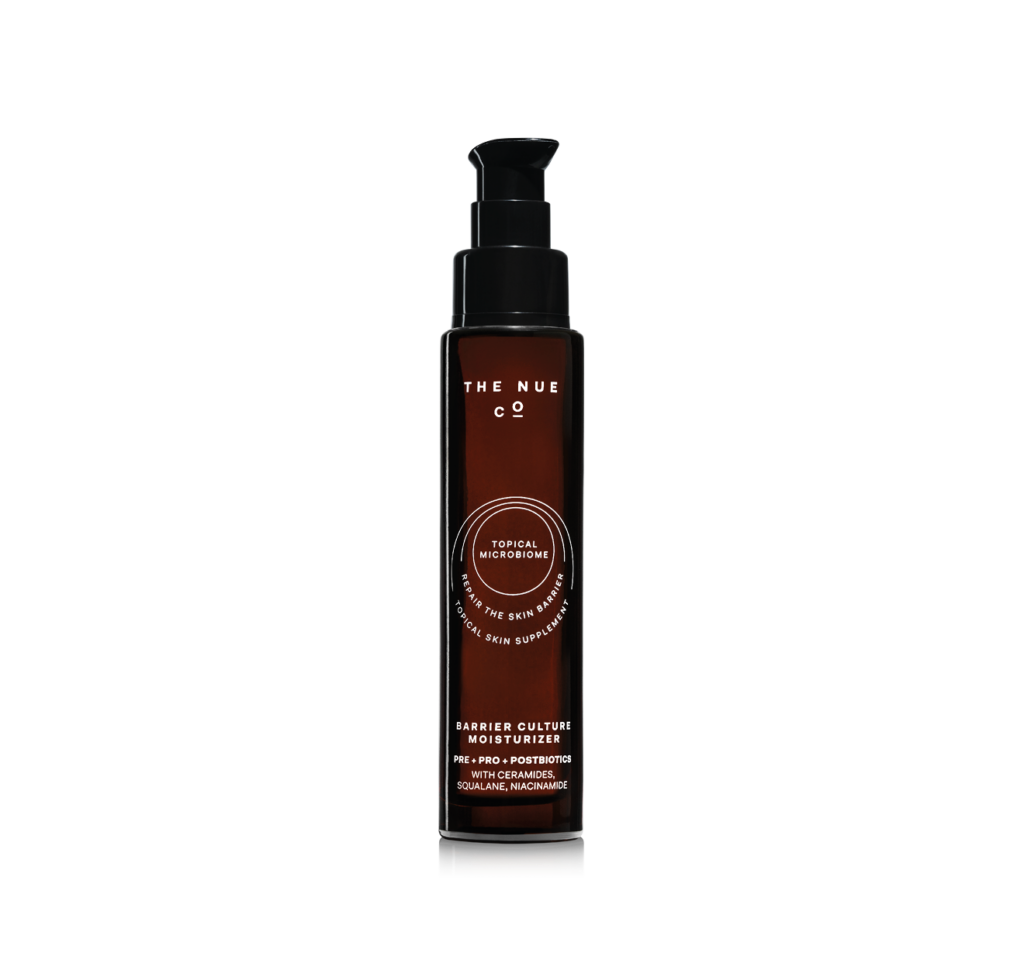
Barrier Culture Moisturiser, Dhs240, The Nue Co 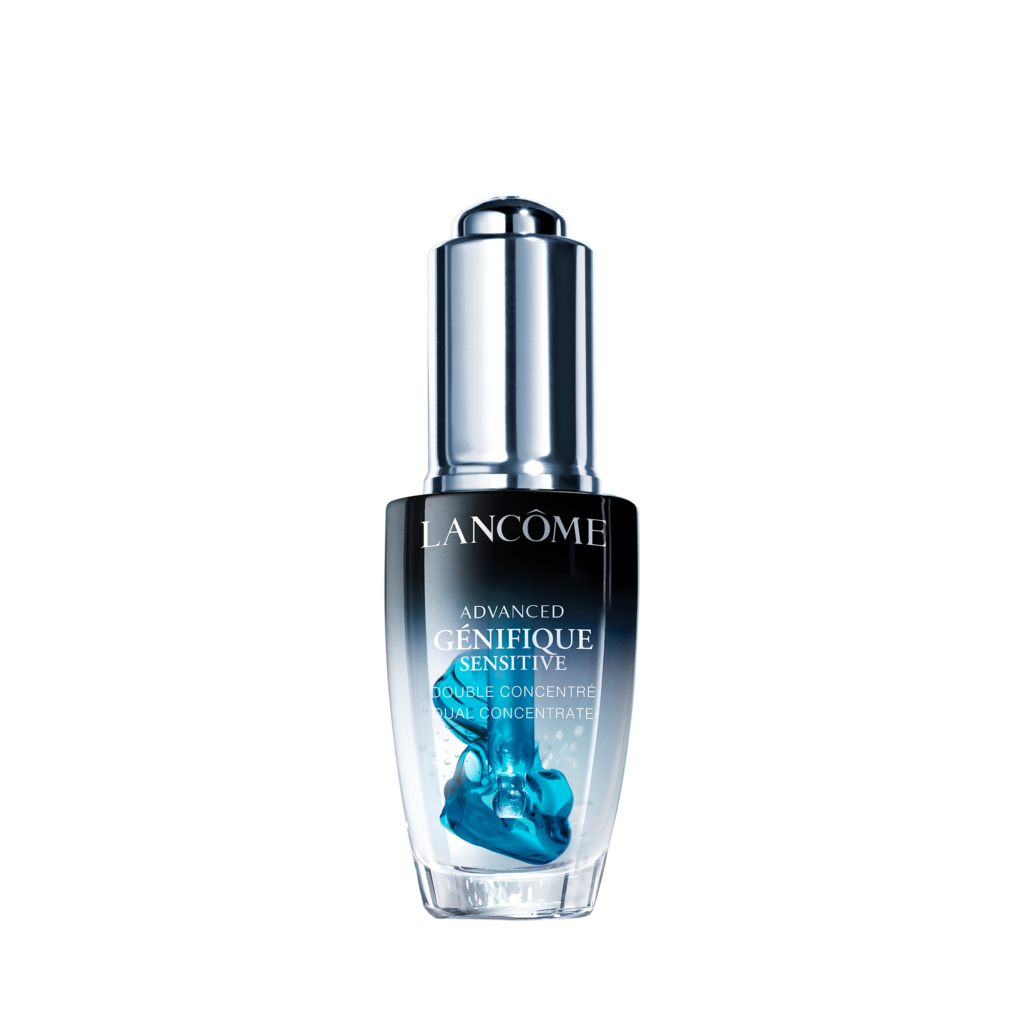
Advanced Génifique Sensitive Serum, Dhs390, Lancôme 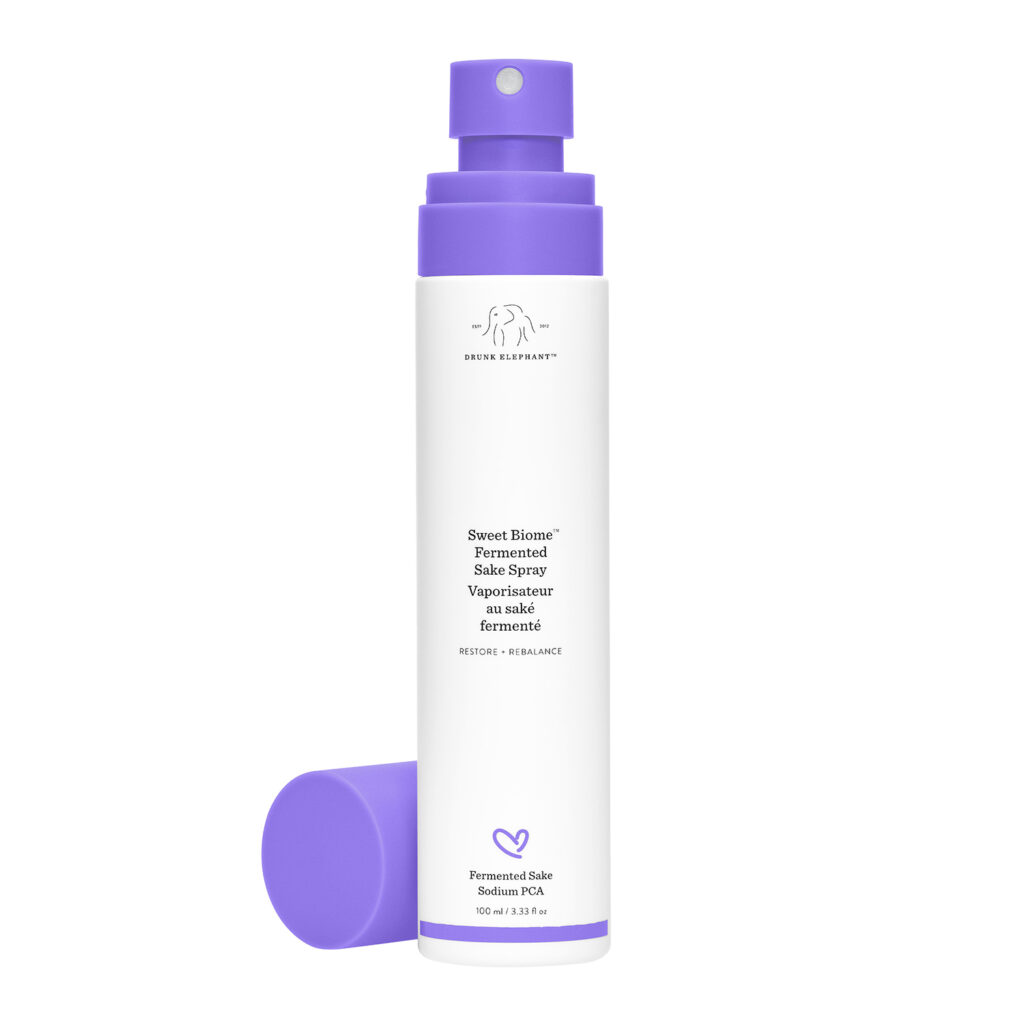
Sweet Biome Fermented Sake spray, Dhs155, Drunk Elephant 
Superfood Glow Priming Moisturiser, Dhs197, Elemis 
Mega-Mushroom Face Serum, Dhs457, Origins 
Probiotic Serum, Dhs504, Esse 
Daily Clarifying Peel, Dhs145, Murad
Precisely how these probiotics are delivered into the skin is getting more high-tech, too, ensuring that biome-friendly skincare swerves around any hippy or homespun connotations. Esse has formulated its Probiotic Serum with live probiotics, which are kept inactive in an oil solution until they come into contact with skin’s moisture, at which point they begin to grow.
“Live probiotics can make a difference and offset the impact of our urban lifestyles,” said Trevor. “It’s a good way to repopulate the skin with real, colony-forming microbes that signal to the skin’s immune system that all is well on the surface so there’s no need to trigger an inflammatory response.”
The Nue Co’s Barrier Culture Moisturiser heat treats bacteria.
“Our skin recognises the bacteria as ‘live’, allowing it to restore its natural defences,” explained Jules. Of course, Lancôme’s Advanced Génifique Youth Activating Concentrate was the first serum proven to work on the microbiome. Its latest Advanced Génifique Sensitive Serum additionally contains soothing vitamin E and ferulic acid, while broken-down sugars feed existing bacteria for truly happy skin. After all, aren’t we our best selves when everything is in perfect balance?
From Harper’s Bazaar Arabia’s November 2021 issue.
Lead image from Harper’s Bazaar Arabia’s September 2021 issue. Photography: Morgan Roberts. Make-Up: Aimee Twist.