

What To See In Riyadh: Architect Raba’a Al Othaim Takes Us On A Tour Of Her Favourite Spots
From Al Murabba to the Diplomatic Quarter, here are the most beautiful landmarks of the Najd region
Najd Doors
“Historically, the culture of unifying the designs and appearance of houses was a common trait among the people of Najd who valued equality among all social classes without showing their differences. This is why Najd doors and windows are the only element that allows for architectural creativity, with their unique engravings and details, and rich colours that bring out the beauty of heritage and excellent craftsmanship.”


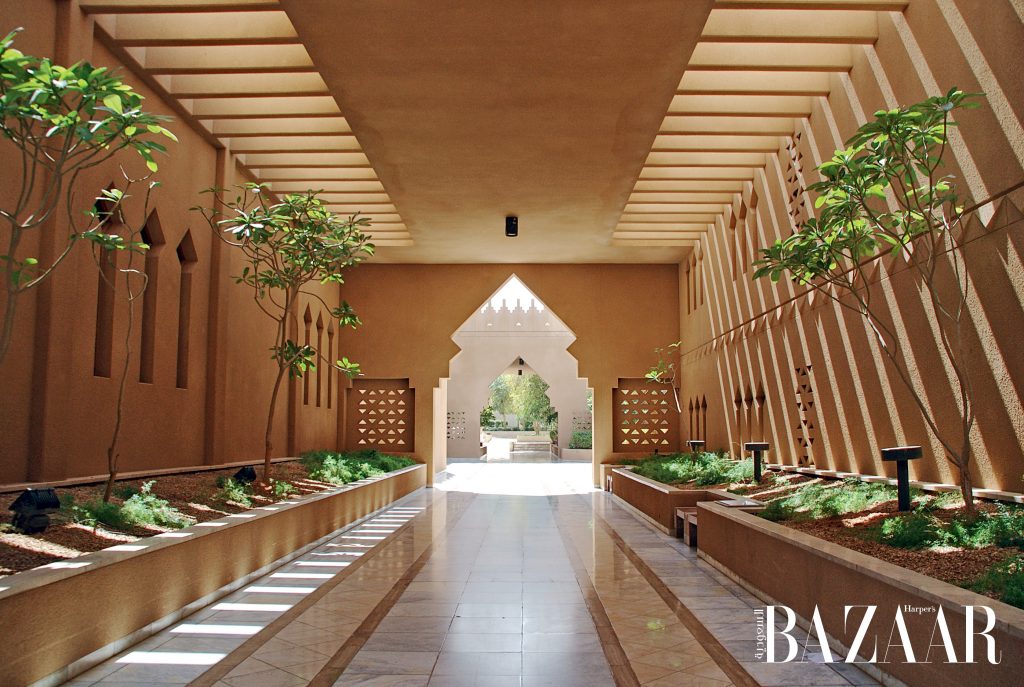
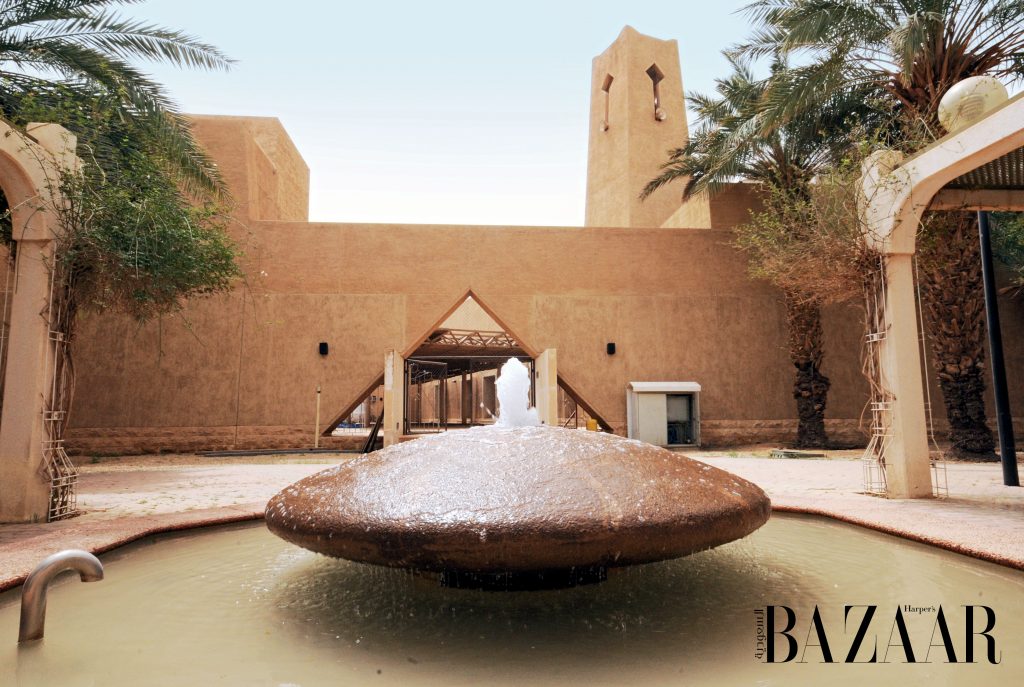
Diplomatic Quarter
“What drew me as an architect to the to the Diplomatic Quarter was the urban planning that was inspired by the Arab-Islamic civilization, which originally placed a mosque in the centre as a primary hub, around which other facilities and services are founded. These include schools, shops, fire stations, and residential areas with public parks, designed according to the Islamic signature style with water elements introduced to it, while maintaining its desert environment. The late German engineer, Richard Bodecker, was capable of highlighting the beauty of Najd’s architecture in the Diplomatic Quarter back in the 1970s. I still believe it is one of the quarters where our local elements were best used in a unique manner and with unprecedented creativity.”
Al Murabba District
“When you mention Al Murabba, I think of the King Abdulaziz Museum and the beautiful traditional area in that district. This space was extremely significant in the last century, as it was an important hub for the capital. As time went by, the development of the area began in a manner that preserved the special identity that is consistent with the archaeological characteristics, in terms of the materials used and colours of buildings, whether its the King Abdulaziz Museum or the surrounding facilities such as the library, park or the Water Tower, which is considered a major landmark associated with the area.”


Diriyah Area
“Diriyah is the perfect place to showcase the Najd identity. It is one of the places from which I derive the most relief and inspiration given its historic and archaeological elements that reflect the Najd identity’s unique architectural and historic facets. I have fond memories of the Bujeiri area, I can sense my grandmother’s happiness and love for the place given its richness in Najd history and civilization. She still admires it to this day. The area also brings me back to old neighbourhoods and the feelings and memories of my childhood with the mud houses, narrow alleyways, and the valleys and mountains that have stunning views.”

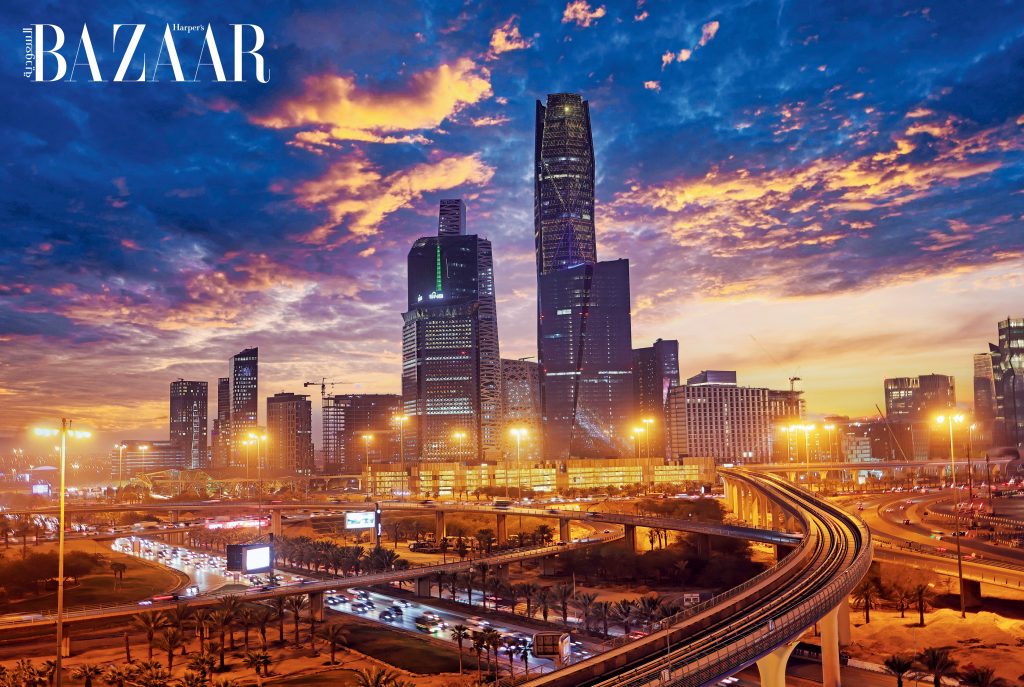
King Abdullah Financial Centre
“Despite the advanced architecture and modern designs of the King Abdullah Financial Centre, it still retains the fundamentals of Islamic urban planning, which centres on a mosque as the key component, around which all services are founded. The King Abdullah Financial Centre is the only of its kind in the Middle East, comprising 59 skyscrapers that stand in the heart of the capital, Riyadh, in their different structures and designs, surrounded by manmade valleys of different heights and levels that give the area a modern Najd characteristic. This area is a vibrant one and parallels – in my opinion – the most beautiful commercial areas in the world with its beauty and diversity of designs.”
Images courtesy of Rayan Nawawi, Royal Commission for Riyadh City, Shutterstock
From Harper’s Bazaar Saudi’s Summer 2022 issue.