
With The Real Housewives of Dubai currently in production Bazaar’s Laura Kell explores the complexities behind our fascination with reality TV’s best-loved franchise
Like most millennials of a certain age, I’ve indulged in an episode of The Real Housewives here and there. Ok, fine, I’ll admit it: I have watched an entire season within the span of a few days in my early 20s, back when I had too much time and too little responsibility. Unsurprisingly, I’m not the only one out of my group of friends – which is mostly made up of career-driven 30-something females – who has considered what I’ve dubbed “housewives-centric content” to be one of their favourite guilty pleasures. Yet something has always bothered me about this voyeuristic fascination, one which seems to unites women (and, of course, men, too) of all ages.
Yes, it’s clearly the drama, coupled with the ritzy lifestyle of the series’ leading personalities, that keeps us glued to our screens. But I can’t stop mulling over a number of questions regarding the attraction to shows like The Real Housewives, Ladies of London and Basketball Wives. Surely as ambitious careerists, we would be better satisfied by something more substantial? Perhaps intellectual, thought-provoking content that celebrates the advancements of women, feminism and female achievements in the workplace, instead of pitting them against each other? Why are we so obsessed with these housewives?
“The escapism potential of these series is limitless,” notes Dr. Tara Wyne, Clinical Psychologist and Co-Founder of The LightHouse Arabia, touching on how the curiosity of human nature is largely what drives our interest in these sorts of programmes – especially so when it comes to reality television shows. “Viewing this content is often referred to as a ‘guilty pleasure’ because we know it’s fantasy. It’s excessive and sometimes trashy and seedy, but it’s also the drama of life and we relate to many themes. Many viewers find validation in the flawed housewives and it gives them permission to be imperfect.”
But while the spotlight might be firmly fixed on their flaws, Robert J Thompson, media scholar and Founding Director of the Bleier Center for Television and Popular Culture at Syracuse University’s Newhouse School of Public Communication, makes it clear there is a lot more to the leading ladies than the magic of reality television lets on. For starters, many are playing an active role in reclaiming the term ‘housewife’ whether they’re conscious of it or not. Touching on the evolution of the word, Robert explains how series likes The Real Housewives franchise have helped women take control of the term and usher it into the 21st century.
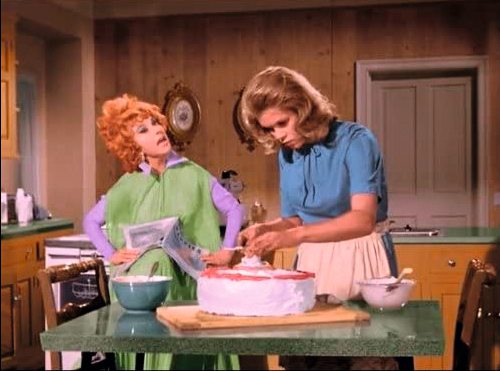
“‘Housewife’ originally had that kind of old-fashioned notion that we saw communicated in television in the 1950s,” he says, explaining how raised consciousness of gender roles in the 1960s and 1970s gave the word ‘baggage.’ “By the time we get to the turn of the century, it had gone from being a description of a traditional gender role to… at times, almost borderline offensive as a term. And then we got into this weird sort of fetishised stage and I think Desperate Housewives very much cashed in on that…”
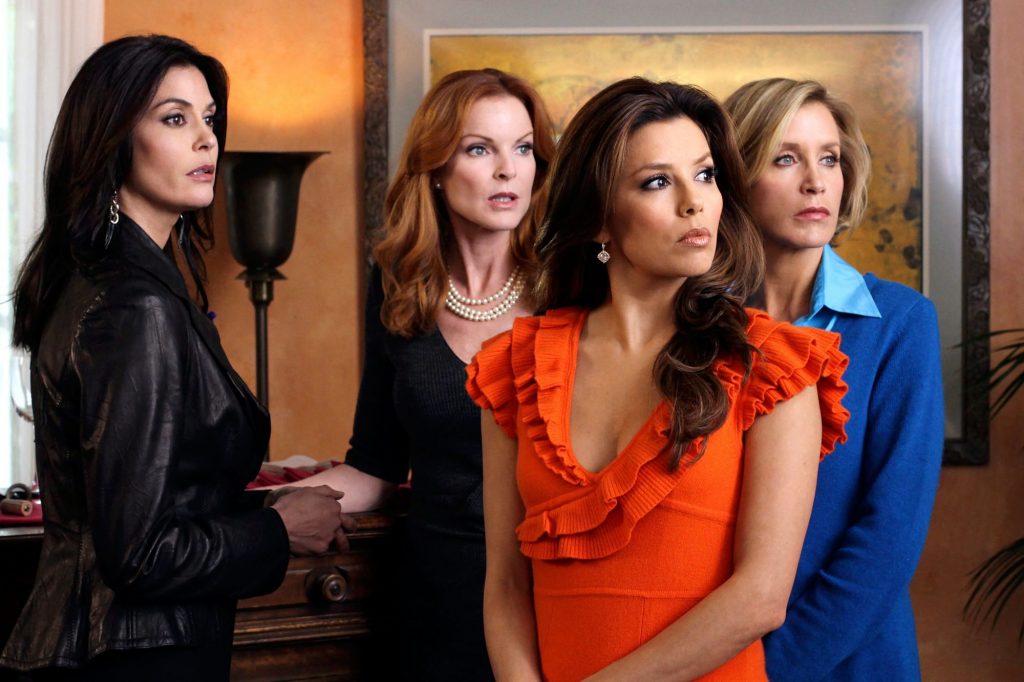
The precursor to The Real Housewives franchise, Desperate Housewives was a fictional television programme that premiered in 2004. Following the story of four women living in suburbia and the mysteries that shrouded their neighbourhood, Robert notes that “the show really wasn’t about housewives in any old sense of the word.” The characters of the Emmy award-winning series certainly didn’t play into any aspect of the stereotypical housewife of the 1950s. Many had jobs, strong personalities and did a lot more than simply darn shirts and socks. The show set the tone for what would soon come next.
The first season of The Real Housewives franchise – The Housewives of Orange County – premiered in 2006 and followed both homemakers and businesswomen.
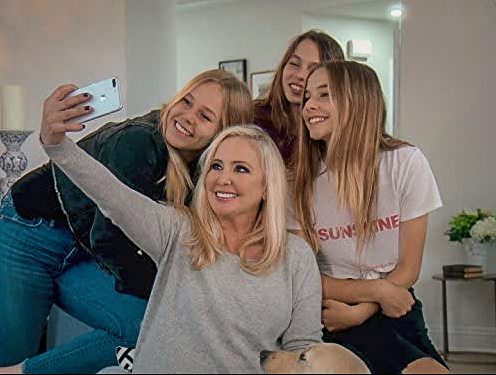
Personalities like the energetic Vicki Gunvalson, founder of Coto Insurance and a member of the original cast, began rewriting the rules of what it meant to be a ‘housewife.’ She was followed by The Real Housewives of New York City’s Bethenny Frankel, a serial entrepreneur and author; restaurateur Lisa Vanderpump from The Real Housewives of Beverly Hills, along with her fellow cast members, actresses, Kyle and Kim Richards; and countless other women who used the series as either a platform to promote their own agenda or as a springboard to launch businesses.
“There’s a history of how a word can be empowered, stripped of the power that was used to oppress and, in fact, then be embraced,” Robert says. “There are probably a number of alumnae of The Real Housewives who are CEOs of their own entrepreneurial [endeavours]. They have taken the word ‘housewife’ and they have reclaimed it so that they now have control over it, giving it new meaning.”
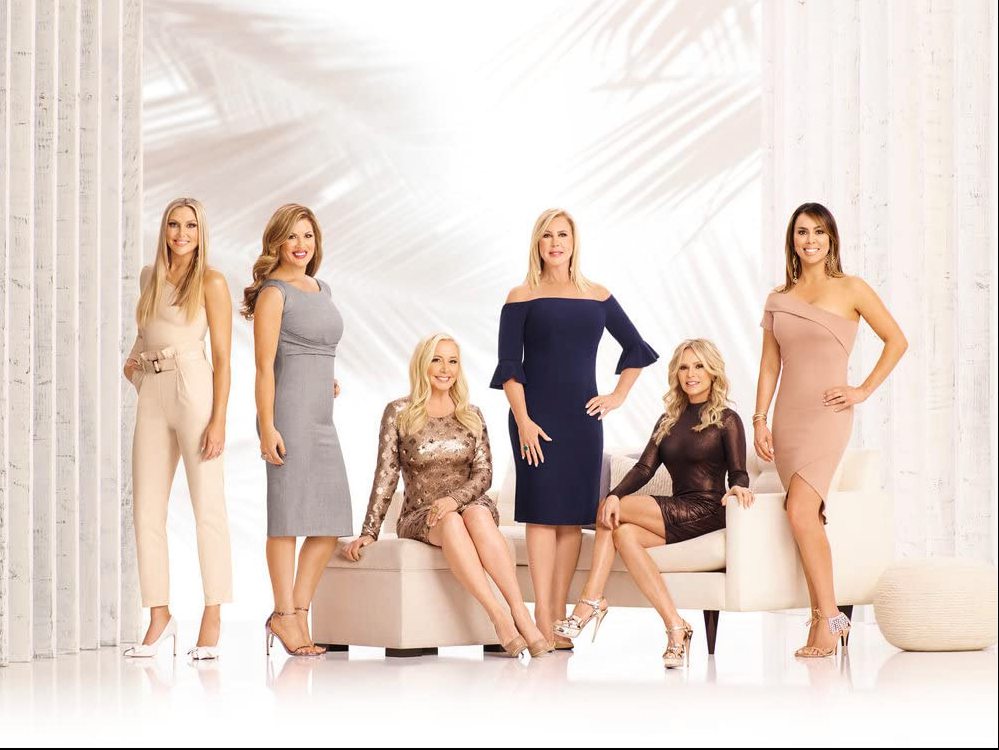
Indeed, there are many Real Housewives who have walked away from the series with success and notoriety. But many have grappled with some of their darkest moments in front of an international audience, failing to portray themselves in a positive light; cue The Real Housewives of New Jersey’s Teresa Giudice flipping a table on fellow cast member Danielle Staub, one of the most dramatic moments of modern-day entertainment. So how exactly can one harness this reclaimed power – and maximise it to its full potential? “I don’t think there is a blueprint for doing it correctly, but it will all be about striking while the iron is still hot,” says Dubai-based Executive and Career Coach Zeta Yarwood.
“Research has shown that most reality TV stars have about a two year life span before they become ‘old news.’ It’s key then, before they quit the show, to surround themselves with the right people to plan the next phase while they’re still in the series. This could be with a manager, mentor, marketing team, coach or business consultant who can help them create what they want to create. Building relationships strategically and nurturing those relationships will be key.”
“It doesn’t surprise me that a lot of people like to watch this – including a lot of professional, intelligent, successful women,” says Robert, touching on the complexity of the series. “There are a lot of powerful women here who are asserting their agency, but it also does play into stereotypes of [women being] over emotional. There are a lot of pretty deep seated stereotypes that get played out.”
Like with so many other reality shows, there are viewers who tune in to seek out their respective dose of self-superiority. “You watch it with your tongue in your cheek and your elbow in the rib of the person next to you with a certain form of mockery,” Robert says, noting how The Real Housewives has always walked the line between being relatable and aspirational – while giving us an opportunity to feel smug about ourselves and our life decisions.
“Human beings are endlessly curious about others and the world. Reality television gives us permission to fulfil our curiosity and not feel nosy or intrusive,” says Dr. Tara, sharing how there really is a scientific reason behind our fascination with the series. “The Real Housewives are real women staging their lives to allow us to watch them. The themes that come up are juicy and fascinating… it’s the ultimate emotional and cognitive rollercoaster ride. We get to watch the housewives misbehaving and violating social norms and boundaries – and watch the consequences roll out.
We remain at a safe distance… become judge and jury and root for our heroes and hate the villains. We get generous dopamine hits neutrally without moving an inch; it’s really a hedonistic rush and it’s free and easy to access. Truly, it can be hard to resist and not get hooked.”
Images: GettyImages, IMD
