
World Refugee Day: UN Women’s Susanne Mikhail On The Resilience of Women Refugees
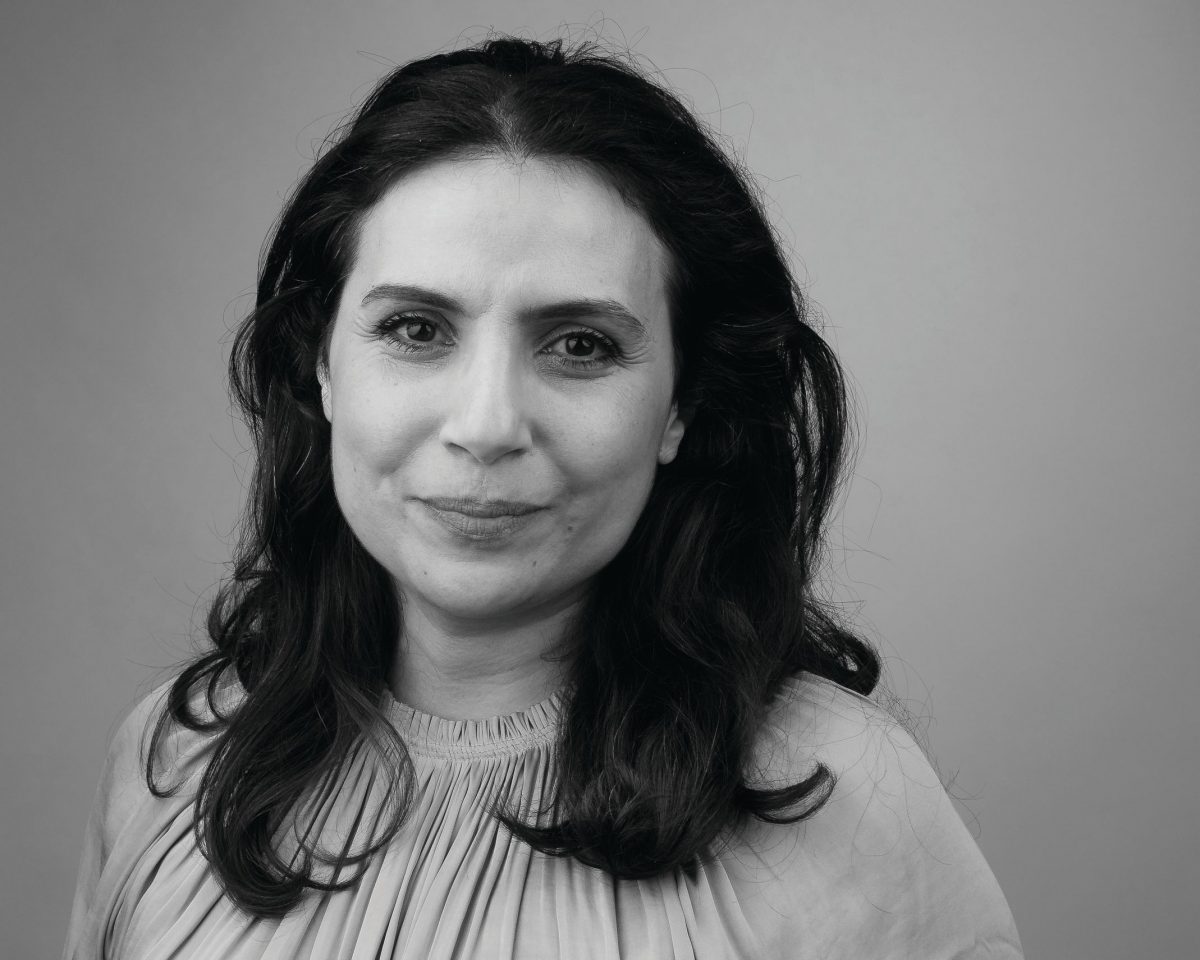
UN Women’s Regional Director for the Arab States and Bazaar’s new columnist shares why its so crucial to show support, compassion, solidarity, and hope…
Run. Just run. As quickly as you can, with nothing but what you wear. Kids in angst, terrified of what they’ve seen and terrified of what might yet come. Loved ones left behind, not knowing what happened to those who didn’t run fast enough. This, my friends, is the tale of one refugee. One human story. Now multiply this story by 79.5 million.
During the past 20-plus years, I have served in several countries hosting refugees and displaced people, forced from their homes by the maelstrom of forces beyond their control. Normally, armed violence and war; increasingly, droughts and flood – and usually both. I have witnessed the damage endured by innocent women, men, girls and boys.
This year on World Refugee Day, June 20, I am again awed by the resilience of women who have lost loved ones, homes and livelihoods, and who nevertheless continue to provide protection and shelter for their families. The United Nations Refugee agency, (UNHCR), has reported that by the end of 2019, 79.5 million people worldwide had been displaced from their homes by conflict or other crisis.
This is the highest number of displaced people seen since the Second World War. Sadly, the Arab States region is the scene of the two largest humanitarian crises in the world: Syria and Yemen, while the region is also home to 5.6 million Palestinian refugees, displaced for more than 70 years. Three generations born in refugee camps.
Everyone suffers in conflict. Boys and men are disproportionally subjected to mass arrest, mass executions and forced recruitment. Women and girls are more likely to be subjected to domestic violence and child marriage. It’s estimated that at least one in five displaced or refugee women has experienced sexual violence.
The rate of child marriage among Syrian refugees has increased, as families adopt desperate measures, trying to protect their daughters in a context of complex risks, serious economic hardship, and increased violence. At the end of the day, whether a woman or a man suffers, it affects everyone. Because each man and woman is a valued member of our human family.
When talking to female refugees, I’m continuously humbled by their determination to support and advocate for their families and communities. Such as Baselah Mohammad Abdelrazak, 40, a Syrian refugee living in the Za’atari camp in Jordan. In addition to being the sole provider for her six children, Baselah was elected as a community leader and since the outbreak of the COVID-19 pandemic she has helped women and girls stay safe by sharing public-health information.
Baselah enrolled in a volunteering programme supported by UN Women, where she received training to help her provide for her family and continue her important work. The diverse talents refugee women offer can be tapped to improve the quality of life and conditions for refugees and host populations.
In Jordan, UN Women has worked with national partners to establish a holistic approach to supporting women in two of the largest camps for Syrian refugees in that country: Za’atari and Azraq, as well as in host communities. Since 2012, the UN Women Oasis Centre programme has supported more than 24,000 Syrian refugees and vulnerable Jordanian women per year with a solid package of education, livelihood opportunities, and services to prevent gender-based violence.
The Oasis Centres provide childcare and transportation to help women access this support. In 2020, the number of people supported by the Oasis programme exceeded 65,000. This year on World Refugee Day, UN Women will celebrate the resilience of women refugees. We will honour their resolve to support not only their community and families, but also their nations. Despite relentless challenges, these women persist to build a better future for themselves and their families.
From Harper’s Bazaar Arabia June 2021 Issue