Hend Sabry On Finding Ola, Being An Executive Producer And The Cinema Industry
A decade after the character first sparked fierce debate, Hend Sabry returns as Ola Abdelsabour in new hit series
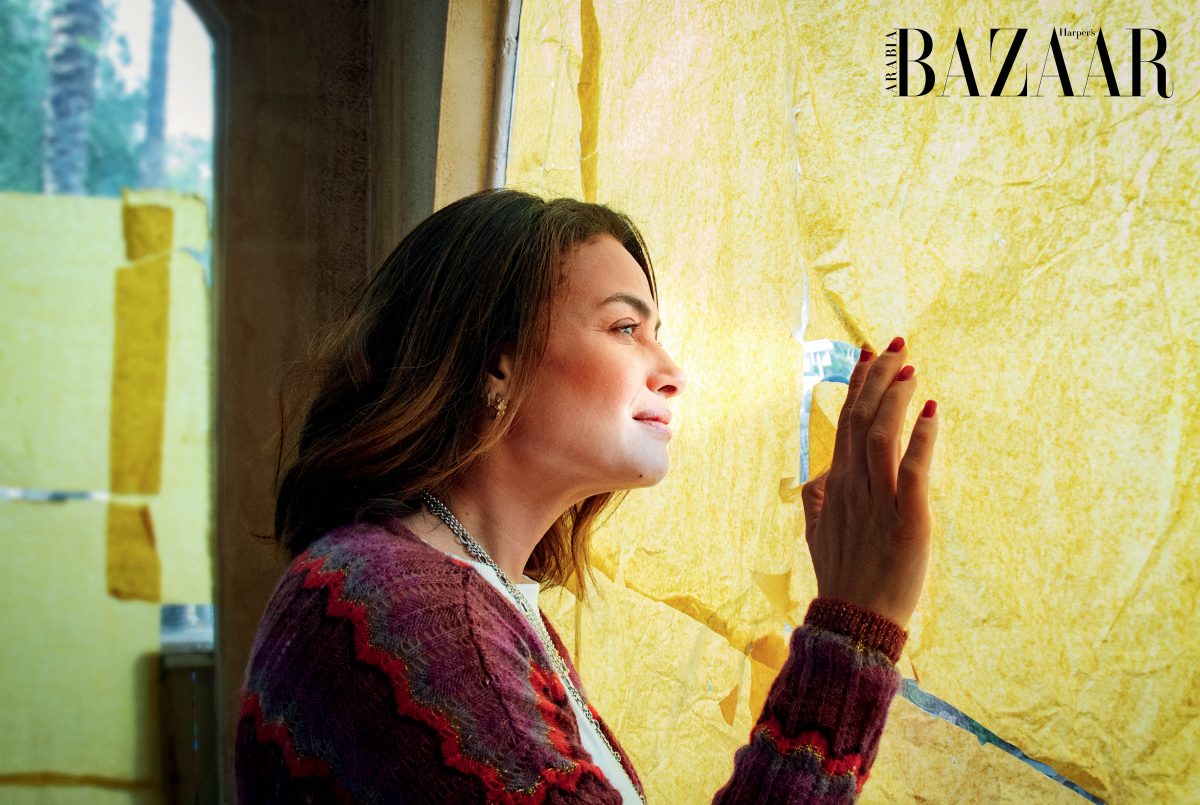
It could well be the time to rewatch iconic series 3ayza Atgawez (I Want to Get Married) starring Hend Sabry on Netflix. Although more than 10 years has passed since its release, the series remains among the top of those that discuss real-life social stories, but in a light-hearted way. “As a lady who reached her 30s unmarried, I keep recalling Ola Abdelsabour’s character whose stories stir my own memories. This is exactly why we decided to bring the character back to life in the new series Finding Ola,” actress Hend Sabry told Harper’s Bazaar Arabia after announcing her new series; a Netflix original and her first experience as an executive producer.
Among all the characters I’ve played, Ola was the one to whom people related the most – from the Gulf countries to Tunisia and even in Morocco and Jordan,” Hend told us, adding, “This character tackled a key issue, which is growing older unmarried amid family pressure and the concept of being ‘incomplete’ if you’re single.”
“The easiest way to discuss such a sensitive topic is making people laugh and putting a smile on their face. This is exactly what caught my attention in the book authored by Ghada Abul A’al that we decided to turn into a series back then,” she noted.
This balance is not easy as you may think. Although the series captured realistic scenes through Ola’s stories that often reflected Arab societies, it was still met with denial and criticism when it was first released back in 2010. Not only did the series come as a shock for some, but it was also quite revolutionary in the Arabic TV landscape, since audiences weren’t used to discussing social issues so explicitly and openly. It did, however, render the series hugely popular across the Arab world, even after over than 10 years since its first release.
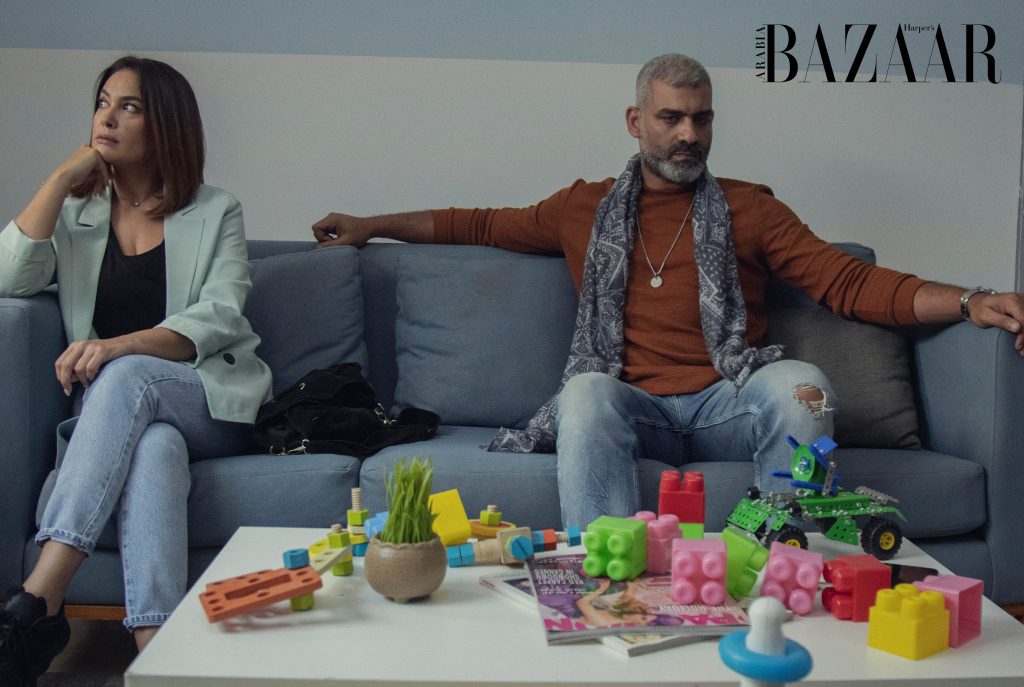
“We didn’t immediately receive positive reactions to the show, especially when I broke the fourth wall and was addressing the audience directly,” said the actress, adding, “Every aspect of this series was new to Arab productions, even the dialogue was sharp and boldly addressing social issues.”
After her long journey as an actress, Hend – besides starring as Ola – is also experiencing her first time as an executive producer through her company Salam Production, enabling her to be fully in control of the work she finds so dear to her heart.
“I was the one to come up with the idea of Finding Ola, so I asked Netflix to have a hand in its production as well,” she explained, adding, “I was responsible for the creative aspects of the series, including writing the script, shooting, and post-production amongst other things, but the director has his say too, of course, since Hadi Al Bajory and I are constantly cooperating.”
Over the past decade, Hend Sabry witnessed the development of the local drama industry from the perspective of female producers, saying, “The female journey in this industry had its ups and downs, as the ladies from older generations such as Nadia El Gendi, Faten Hamama, and Soad Hosny before them – while preserving the nicknames – are all ladies capable of managing full projects. After their time, this ‘glow’ was gone and the cinema became extremely dominated by masculine figures except for a few individual experiences in my generation. Yet, the industry has opened its doors now to us to begin production.”
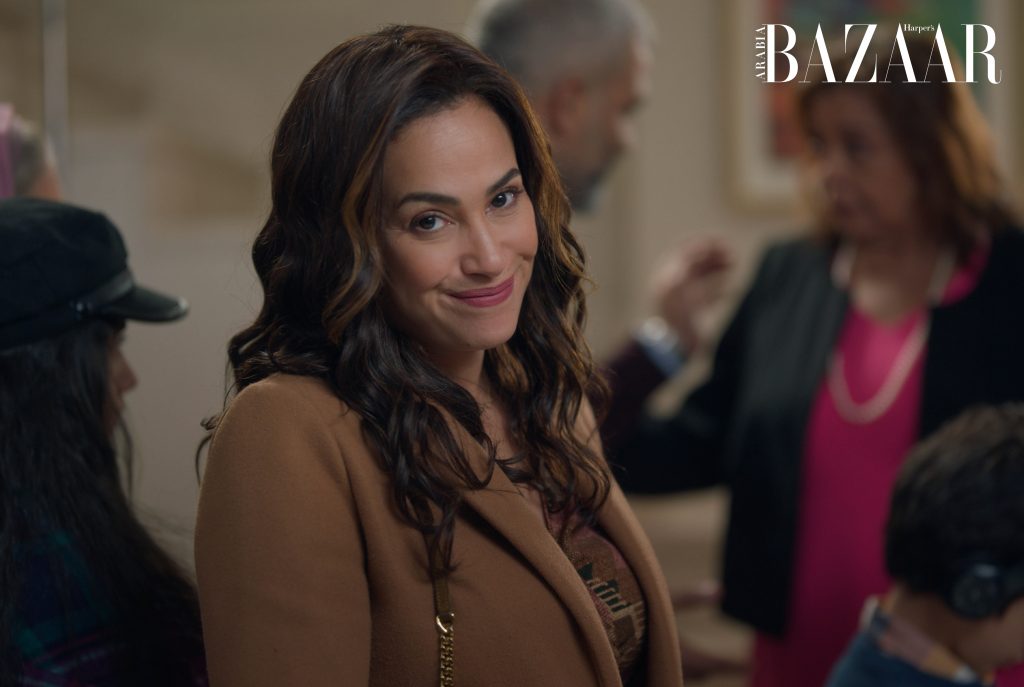
Hend strongly believes the TV drama had a better prospect for creativity than cinema did, explaining, “We and the women who preceded us have produced female series, as drama gives us a greater confidence compared to cinema, especially that cinematic production is more risky. This is why roles are often scripted for men since men are more the stars of cinema halls.” Nonetheless, Hend has starred in female films made for cinema, such as Ahla el-Awqat (The Best of Times) with Hanan Turk and Menna Shalaby, in addition to Banat West Elbalad (Downtown Girls), also with Menna. “I was privileged to work with Mr. Mohammad Khan and Ms. Hala Khalil in the film Asmaa, giving me the opportunity to produce profound and atypical work,” the actress stressed.
Hend believes that the past five years of the cinema industry witnessed a leap in supporting women, as the number of female filmmakers surged, along with the support offered to women writers – especially those who capture female stories from Arab societies. “The cinema, however, is still falling behind in this respect, while TV drama had the lead in discussing several social issues more than the cinema did due to the high demand, prompting platforms to give us a greater opportunity for expression,” she commented.
Considering the rising role of women in the film and TV industries and the support given by Hend and her colleagues to the new talents in this field, we wonder: Is the road paved now for young female talent more than it was at the beginning of her career?

“Yes and no at the same time, which means that the journey is still tough even if we can currently see a new generation of actresses who started at a young age, and I find them more aware than we used to be,” Hend responds, before concluding, “They are lucky to witness an age of women empowerment globally, a thing we did not have at our time, but the way ahead is still difficult and unpaved.”
Images supplied
From Harper’s Bazaar Arabia’s 2022 issue