
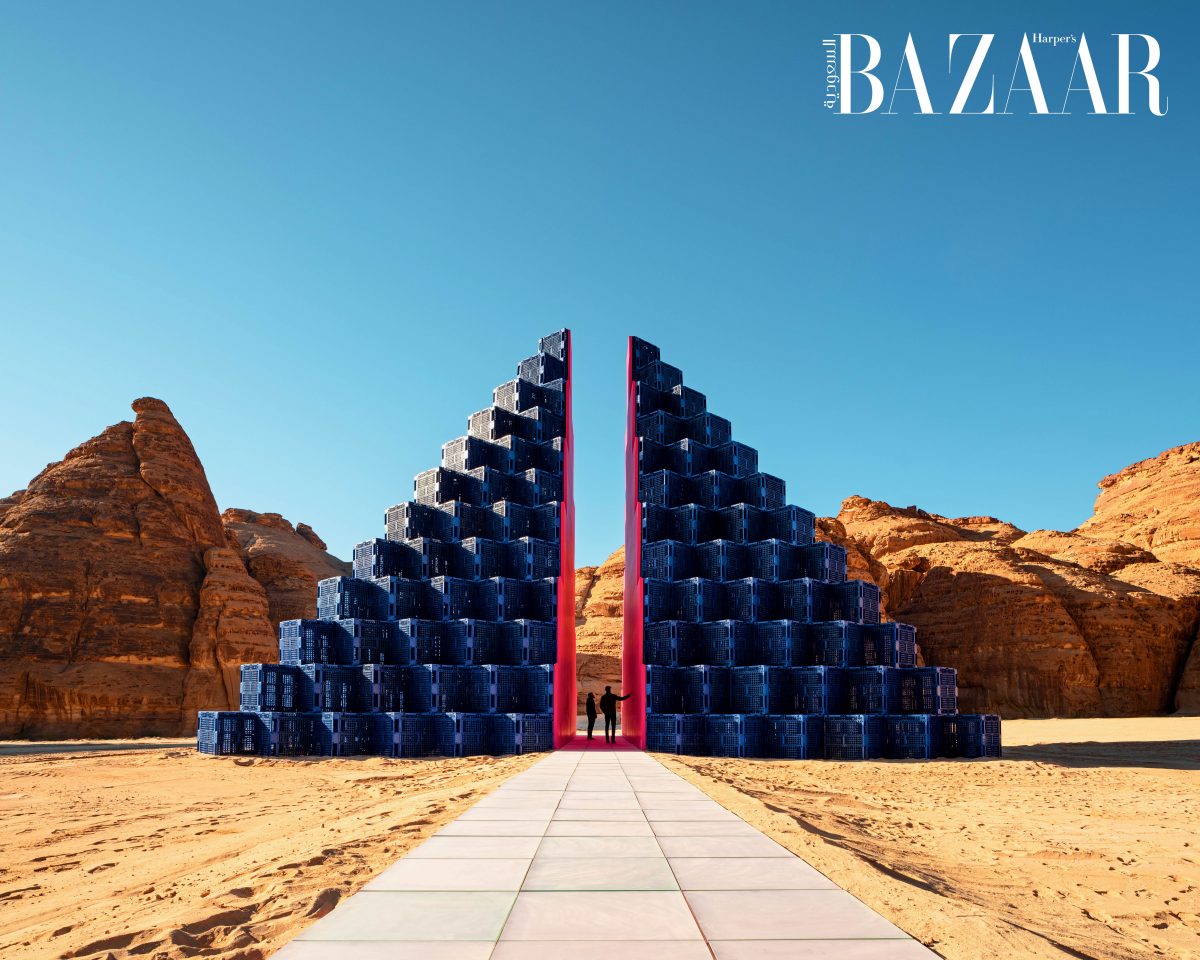
Sands Of Time: Can Man-Made, Contemporary Design Live in Harmony With The Natural Legacy of The Desert?
Samantha Cotterell, the Royal Commission for AlUla’s Executive Director of Design explains how…
Tradition and modernity once again aligned this month as the Royal Commission for AlUla (RCU) took part in Dubai Design Week (DDW) for the first time. The Commission’s carefully curated space at Dubai Design District, which used artwork, photography, materials and desert hues to recreate the AlUla experience, was home to a variety of panel talks looking at how art and architecture has been integrated into the landscape of the Saudi Arabian Unesco World Heritage Site and surrounding areas.

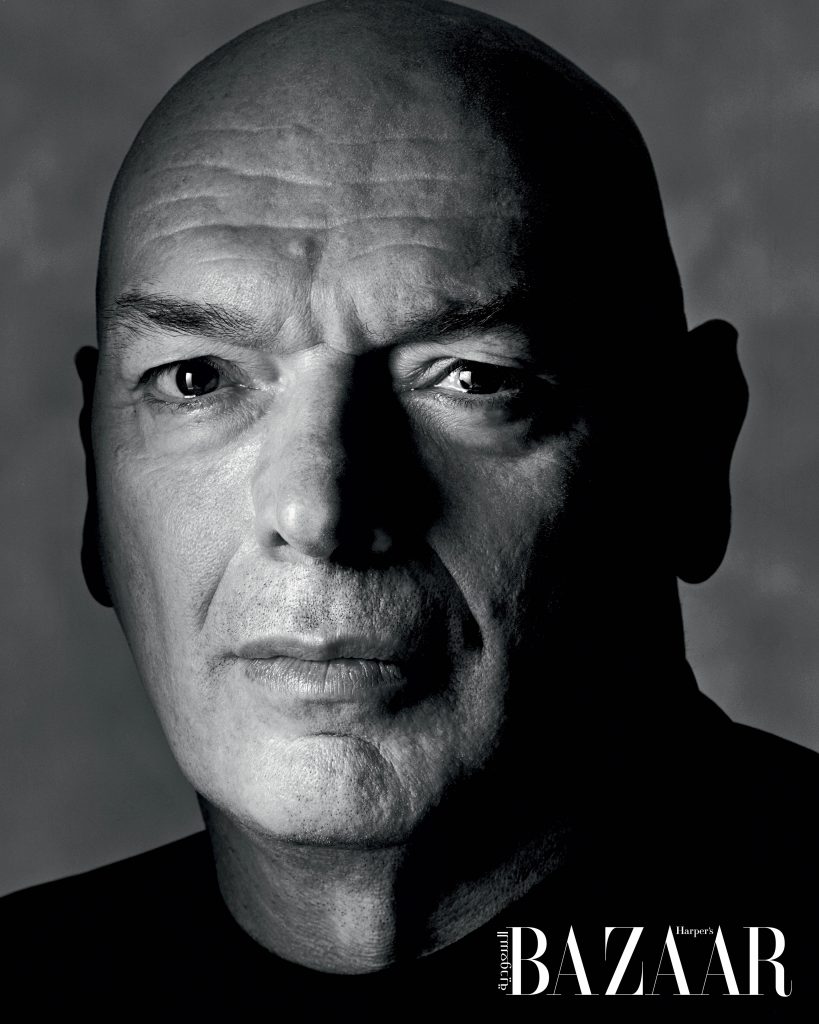
Guest speakers included Pritzker-prize-winning French architect Jean Nouvel, whose design house worked on the Louvre Abu Dhabi and the National Museum of Qatar. He joined over video to discuss the journey in creating his breathtaking subterranean resort Sharaan, which upon completion in 2023, will sit carved into the sandstone hills in AlUla.
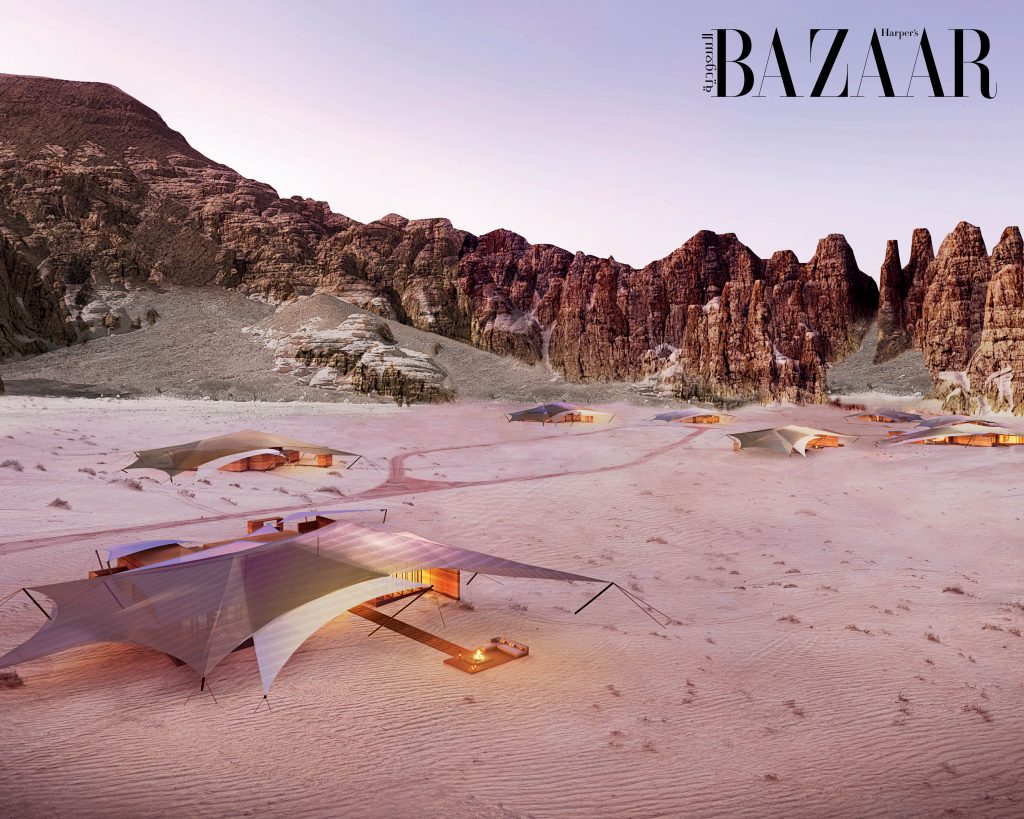
But showcasing what the area of outstanding beauty has to offer visitors and tourists wasn’t the main priority for the RCU, Dubai Design Week was all about inspiring and engaging designers, both established and emerging, to think about working on the many projects AlUla has to offer.
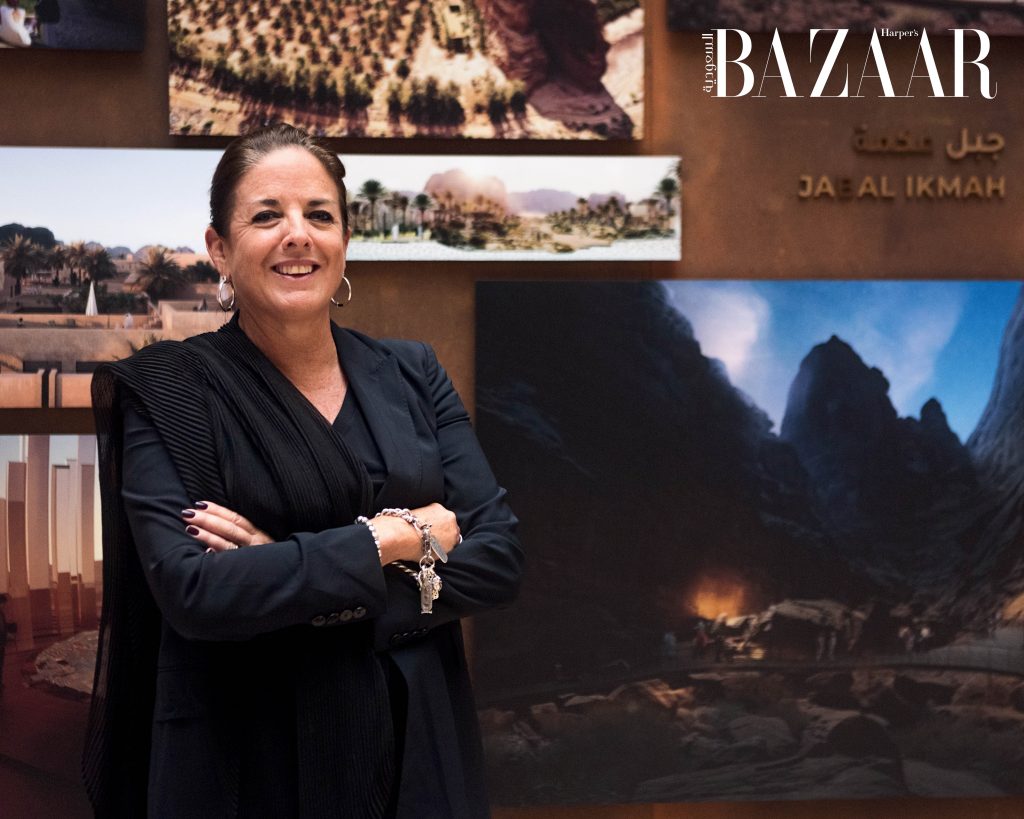
“We want to reach out to the design community and tell them about AlUla, and invite them to come to AlUla to design things for us, to participate in the realisation of the vision through art and design and architecture,” explains Samantha Cotterell, the RCU’s executive director of design. “It’s very particular design. It’s not for everyone because of the beautiful natural setting, so we want to make sure that we’re attracting people who can fall in love with the place and feel they want to come and contribute to the development of our project,” she continues.
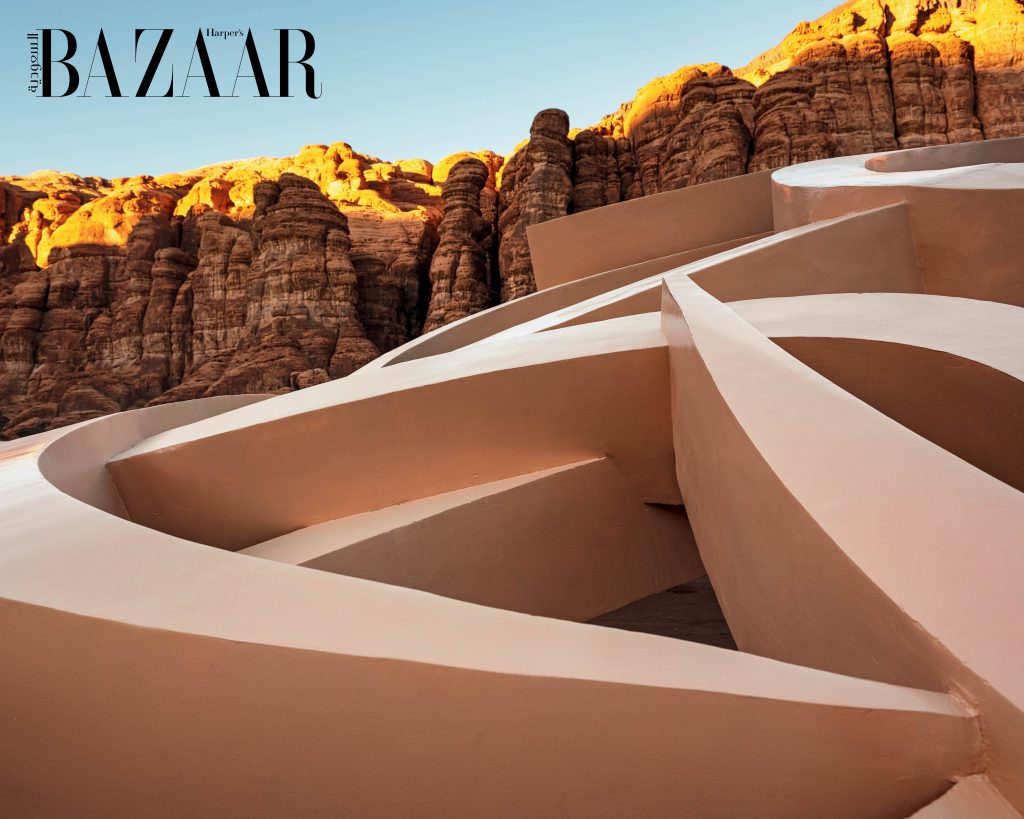
And Samantha is keen to stress the importance of art and architecture within AlUla. “It’s about beginning to establish a design destination. We have just recently started a competition to seek 100 architects to come and design for AlUla, we have an artist and residency program and we also have an arts and design festival coming up in February where we want to have a symposium on architecture,” explains the architect, urbanist and masterplanner with 25 years of experience in the industry. “It’s not looking to be a design hub as international cities are but we’re looking to be the place where we can have the conversations that need to happen in the design world to support our industry.”
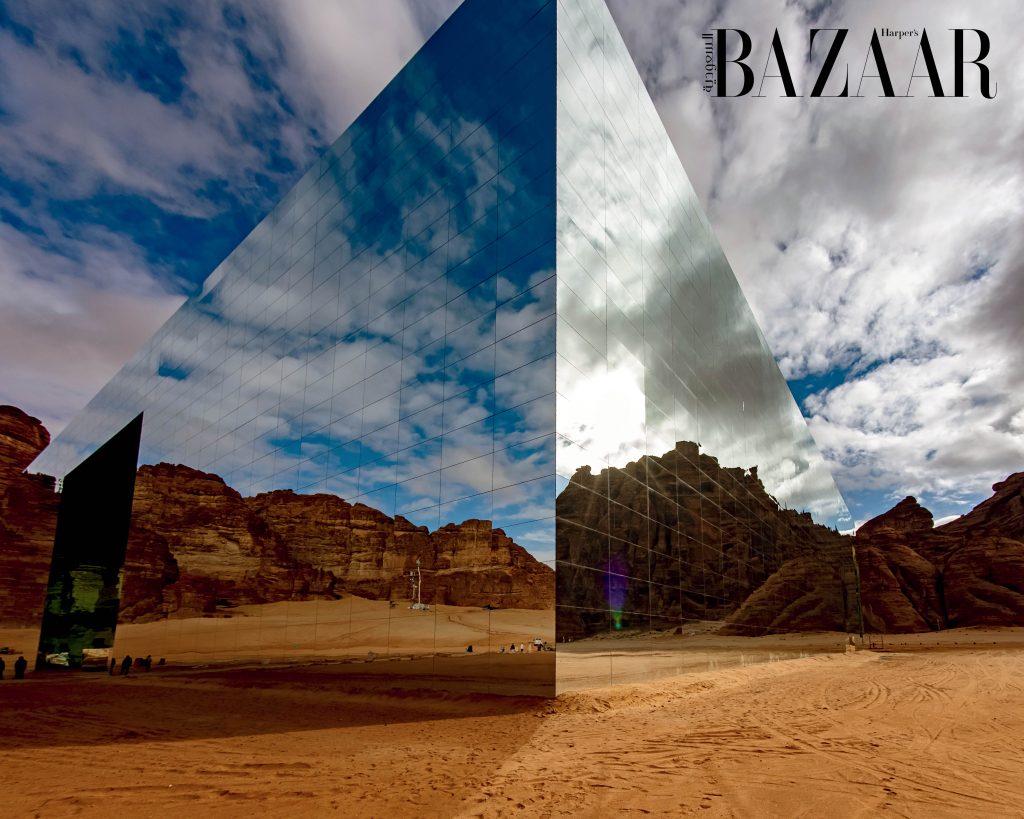
Amongst the panel talks hosted by the RCU was AlUla, A Cultural Landscape, which looked at how architecture and art can exist in harmony with the natural landscapes of the desert – discussing how sites such as Maraya, the world’s largest mirrored building, AlUla International Airport and hospitality ventures such as Ashar Banyan Tree and Habitas AlUla Resort can complement the environment rather than become an eyesore.
Maraya, which doubles as a concert hall, theatre and exhibition space, settles into the UNESCO surroundings by reflecting the desert landscape on its mirrored outer shell and is the focal point of the DDW conversation. “The Marayah theatre project is a piece of architecture that really is like a piece of land art,” says Samantha, who has worked on major projects including Expo 2020 Dubai, Athens 2004 Olympic Games, Beijing 2008 Olympic Games, the Doha 2020 Olympic Bid, and is currently the Chair of the International Chapter of the Australian Institute of Architects and a member of the Venice Biennale 2020. “It’s part of AlUla’s vision of becoming an open-air museum, we had the desert exhibition where we used some of the canyons as open-air galleries, and the architecture, in some cases, is also positioned or designed as an art installation in some way. We’re very interested in exploring that boundary between art and architecture, I think it’s a time, mainly technologically, that we’re part of the Fourth Industrial Revolution, where we have art getting a lot closer to architecture and architecture a lot closer to art – that intersection is a very interesting place for us.”
But of course, building in a natural environment, especially one that’s under the watchful eye of UNESCO, must come with its challenges. “The desert is landscape we’ve inherited and which we’re developing now, so we’re very conscious of doing that mindfully, while being very aware of the natural setting,” says Samantha, who insists that sustainability is also at the core of all design work. “We’re trying in every way to let the art and the architecture and the sense of place emerge from the place itself. We’re looking to learn how to dialogue with what’s there, be inspired from what’s there: it’s a man- made vision of living in harmony with a desert scape that is very agile and resilient at the same time. When you do any intervention in a pristine canyon, of course, you’re potentially upsetting thousands of years of natural development, of nature, so you need to be mindful in how you treat the desert.” She continues to say: “The environment that we’re designing in has a life of its own, even the rocks themselves – they have their own spirituality and identity, they have a presence. They’re very, very alive, even though they’re rocks.”
To find out about the latest art news at AlUla visit: experiencealula.com
Lead image caption credits: DXA Rasheed Al Shashai, Lance Gerber
From Harper’s Bazaar Saudi Winter 2021 issue