
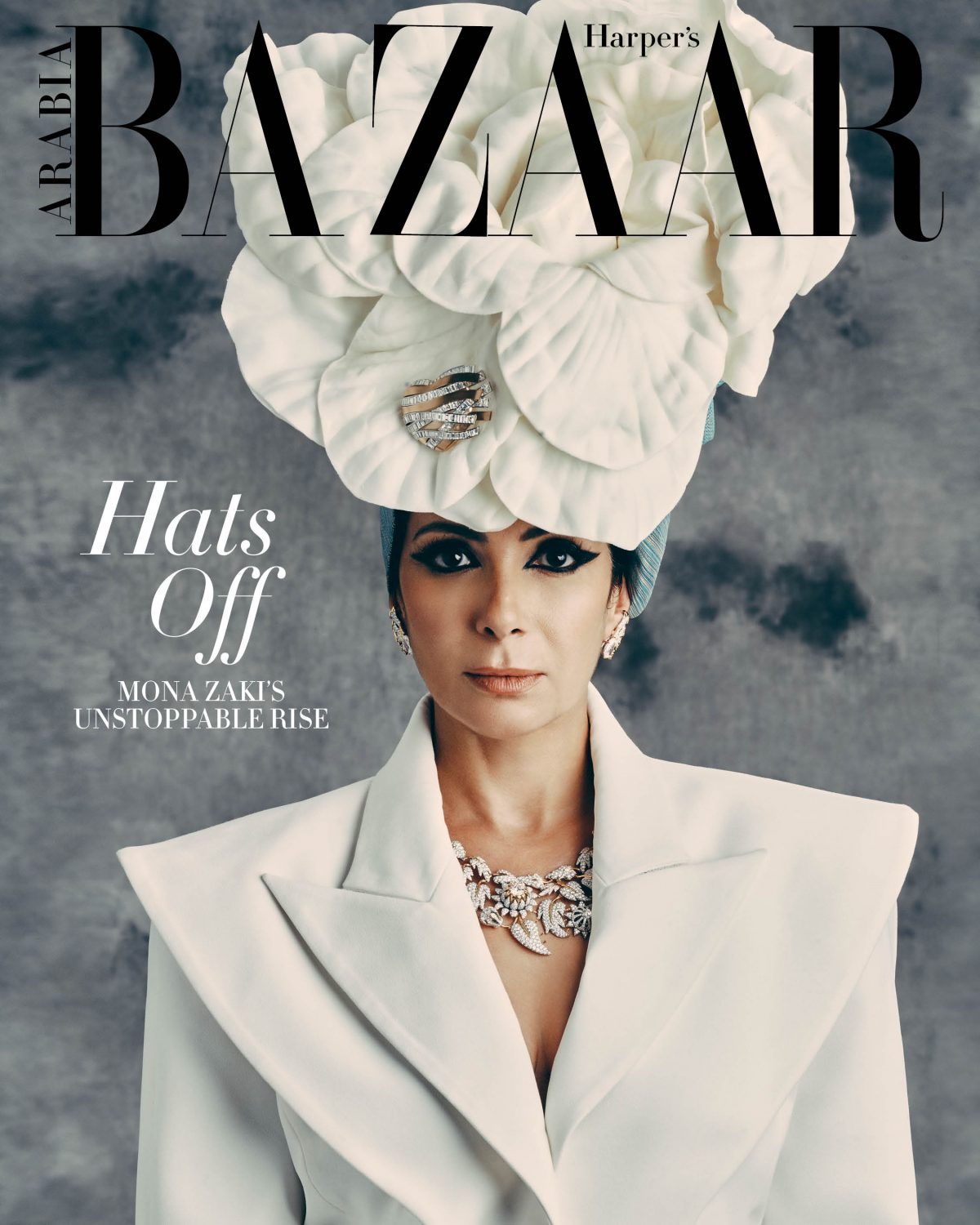
Mona Zaki On Her Biggest Challenges, Alternative Career Path, And Being A Humanitarian
Fame, family and (blockbuster) films; the Egyptian icon shows us how to have it all
The biggest name in the Egyptian film industry – Mona Zaki – is starring in the most-anticipated Arabic movie of the year, Perfect Strangers. That’s a potent combination. If it’s a sign of what’s to come, 2022 is already looking bright, and putting a positive spin on things is something Mona is known for.
A consummate professional who was first thrust into the limelight at the age of 13 by director Mohamed Sobhy in Bel Arabi El Fasih, the striking actress wears the fame mantle lightly, even when being pursued by fans eager to get an in-person sighting, or better still, a selfie with the paradoxically intensely private personality.
When pressed about this dichotomy she enthuses; “Well, actually I think I enjoy every aspect of my job as an actress, but what I enjoy the most is the different characters that I can play.”
But surely the adoration can get a bit intense? “What would I happily swap out? The fame, because it gets difficult sometimes to be able to walk in the street or spend quality time publicly with the kids.”
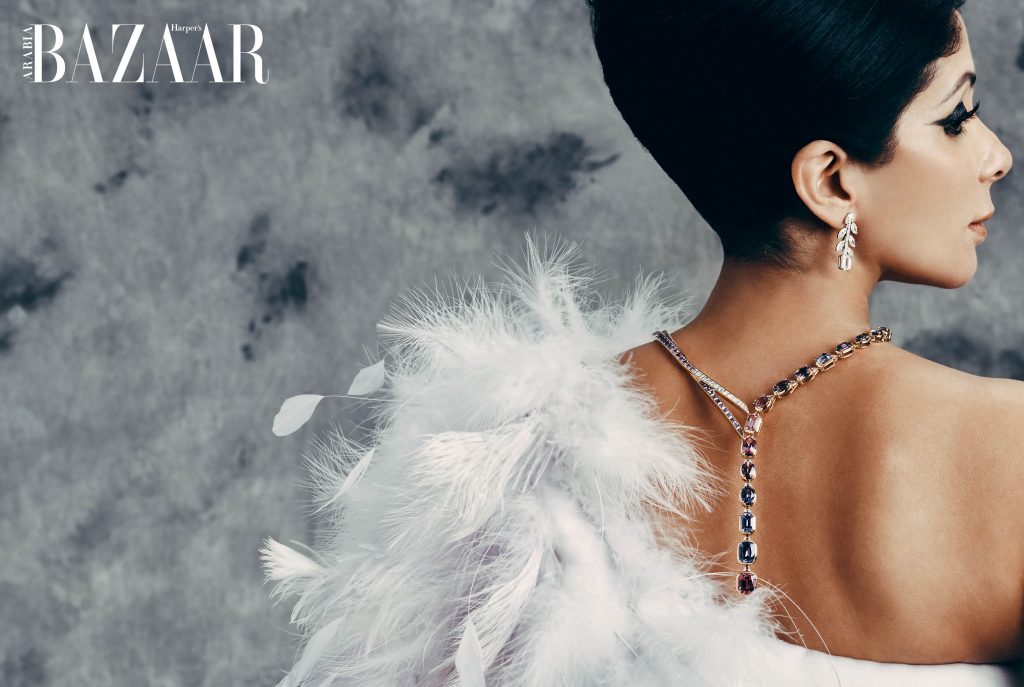
Fiercely committed to her craft, Mona carries off the tricky balancing act of charming her audience, whilst ensuring her high-profile career doesn’t impact her almost 20-year marriage to equally famous fellow thespian Ahmed Helmy, with whom she shares three beautiful children.
“Having both of us working in the same industry, I feel we are a good support system for each other, as we understand the nature of our jobs which help us have a healthy life as a family.” Yet life cannot be conventional when your parents are instantaneously recognisable. “My eldest Lily, who is 18 years old, is quite aware of our status… while the kids [Selim and Younis] know that I am an actress but they don’t understand what fame really is. They don’t understand the dimensions of my job yet.”
Silver screen magic
“Securing Mona was such a huge deal. I knew about how good she was and how pleasant she was, but it is just incredible to see the process of how she gets into character,” gushes usually blasé producer and distributor Mario Haddad of Empire Entertainment. “I have been on sets across the world and this was on a different level. This woman is just incredible. The movie is a dark comedy, but there are dramatic moments as well. It gets really intense. And she just switches from one to the other with such ease and power that it is a joy to watch.”
Movies don’t tend to cross borders in the Arab world, so when Mario and his co-producers, who include President of the Cairo Film Festival Mohammed Hefzy, decided to work on something that would appeal to the whole region, they knew they needed Mona on board. “Once she signed up, it was easy,” he explained of the Netflix film.
Mona seems to be the only one unwilling to acknowledge the hype around her. She’s not comfortable seeing herself on screen, admitting she doesn’t study her own work and is her own worst critic, but made an exception. “I criticise myself a lot, but I watched my latest Ramadan series, Newton’s Cradle, with my husband. It is the project I am proudest of so far.”
An Arab-world first
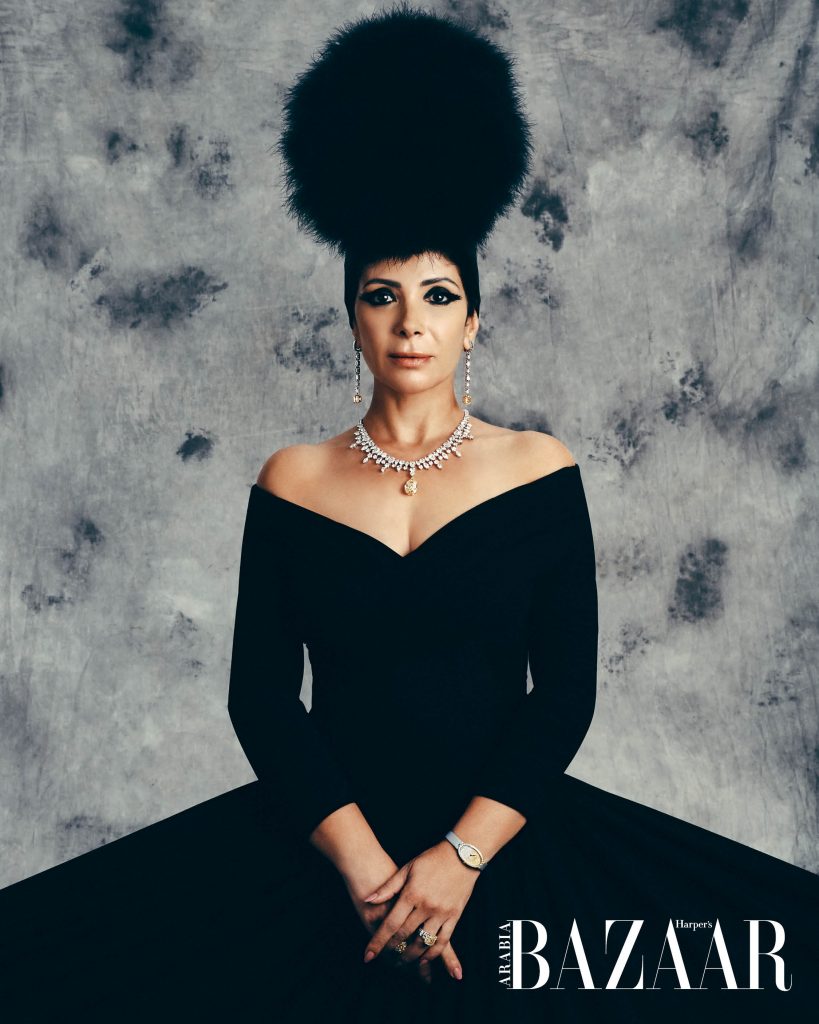
The premise of Mona’s latest release, Perfect Strangers, is immediately intriguing. Touching on topics like transparency, privacy, betrayal and trust, the story revolves around seven friends who all decide to share the messages and calls received on their phones to sometimes hilarious, yet increasingly devastating effect. The fact that this simple premise resonates with all of us in our tech-dependent society, is probably why the Italian original has already been reimagined in 18 different languages.
Mona, who was attracted by the regional slant to the project and had been keen to work with Lebanese actress and filmmaker Nadine Labaki, got on board immediately. “The film highlights society’s unwavering dependence and attachment to mobile phones, and how many secrets these devices hold that can all come out in the open. It is filled with universal themes which include dishonesty between partners and how a couple could be in what seems to be a loving relationship but secretly everyone of them is facing their own challenges in life,” she says.
Having obviously thought about the subject a lot, she continues: “I liked the idea of the movie as it is very light on a conceptual level yet at the same time full of depth. The story itself is fictional yet it contains many scenarios that people can relate to.”
You can sense that the seasoned pro is deeply invested in this Netflix movie – the streaming giant’s first Arabic-language film – that’s set to be released on the 20th January in 190 countries. She reminisces fondly over the process, saying, “We spent almost a month together on location, we all got very close to each other. We became a family by the end of the shoot.”
Walking the line
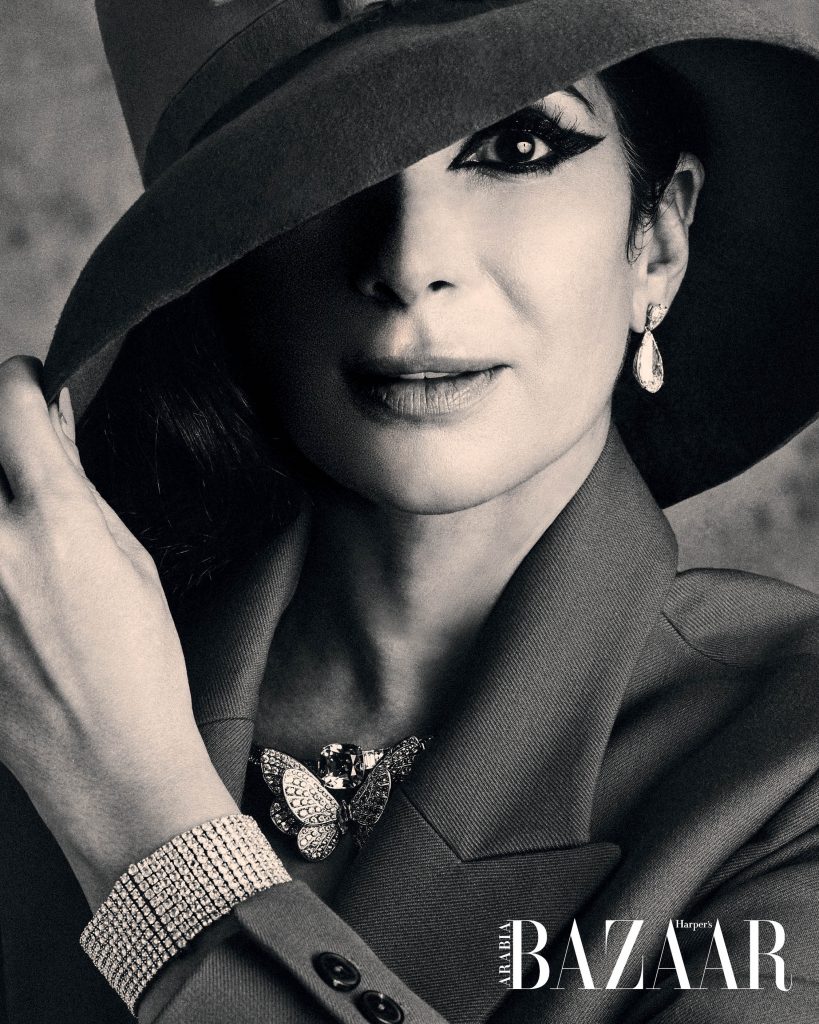
Mona’s disarmingly direct when replying to questions that other celebrities might feel invasive. A global nomad, the 45-year-old was educated in a British boarding school and spent stints in Louisiana and Kuwait before returning to home base. “It shaped me in a big way, it helped me accept different cultures, people, religions and ideas.”
She shrugs before admitting it was a struggle to fit in on her return to Egypt; “I was neither European nor pure Egyptian. That in-between place was not a normal place to be in this industry.”
Outspoken and discerning when it came to her movie choices, she often felt misunderstood by the industry: being picky wasn’t considered a positive trait. “A lot of people thought I was being arrogant. I just wanted to make good choices – the right choices,” she emphasises.
The fact that everything she touches blows up at the box office turns out to be a mixed blessing too. Initially pigeon-holed as a commercial choice – “More festival-style directors never approached me,” – but luckily that all changed when “I realised it was important for me to tell everyone that I appreciated both [artistic and commercial] films.”
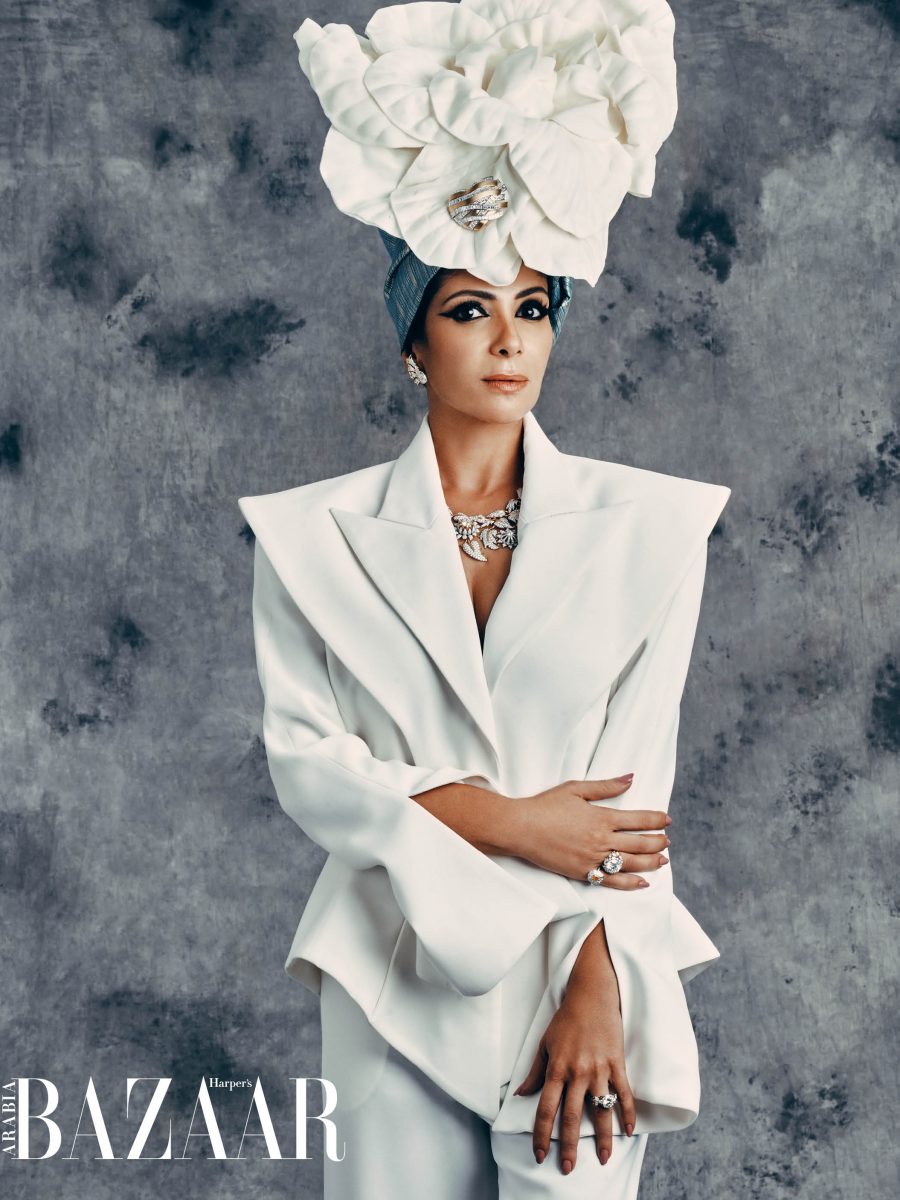

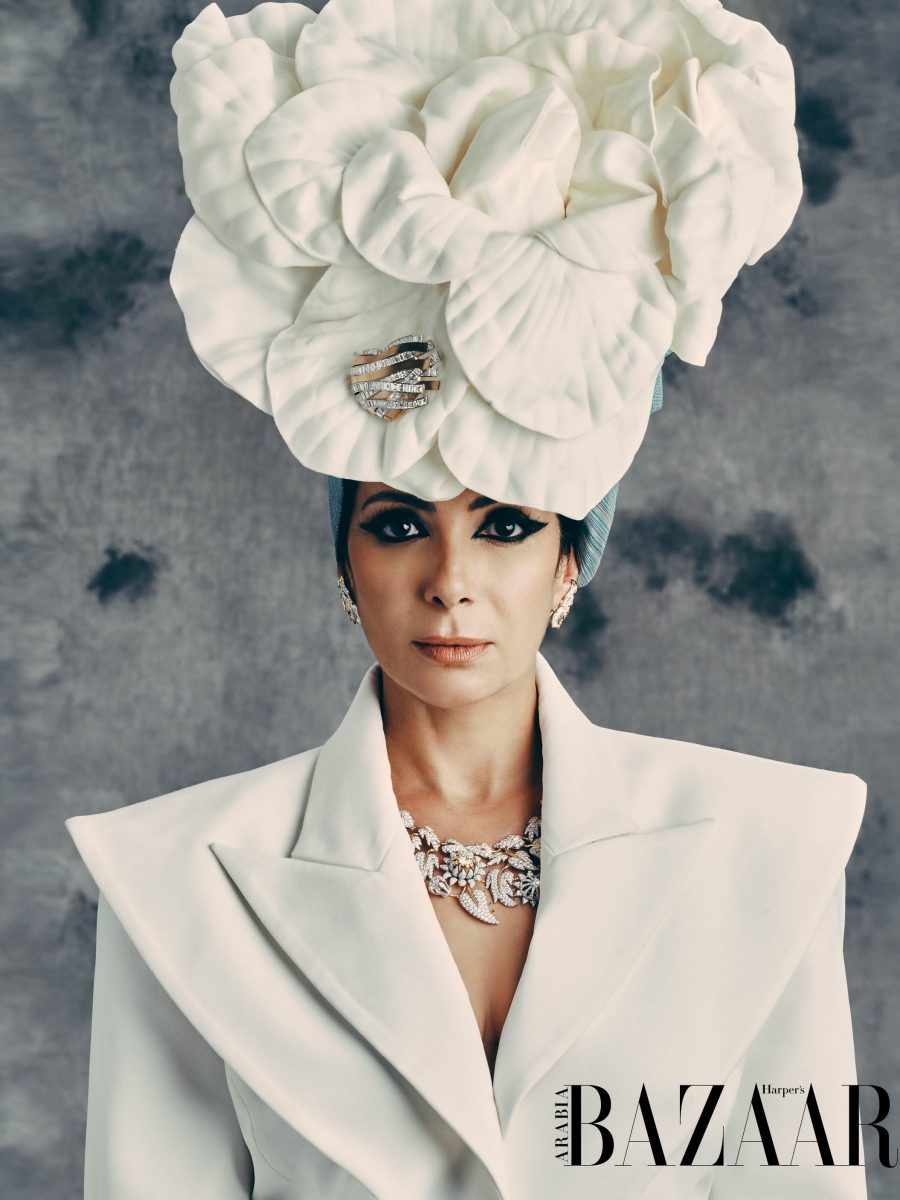
She doesn’t need to prove anything to anyone anymore. Her work speaks for itself. Not only has she won every prestigious acting gong out there, she’s collaborated with directors like Sherif Arafa, Yousry Nasrallah, Mohamed Yassin and Hani Khalifa. Her status as an icon was confirmed when the Cairo International Film Festival announced she was the recipient of the Faten Hamama Award for Excellence, which she admits is her most-treasured prize. The Festival’s President Mohamed Hefzy praised her, saying, “Mona Zaki is the quintessential star of her generation. Through her work she has become a role model setting a great example of success for women working in Egyptian cinema.” He added: “With her daring and intelligent career choices, she has been able to achieve the difficult balance of both critical and commercial success.”
Stage to screen
What contemporaries all laud about Mona is her versatility. As adept on the stage as she is at nailing scenes in one take, she’s fearless in her choices and shifts genres effortlessly. Her repertoire comprises action flicks like Mafia, romantic comedies including Taymour and Shafika and Abou Ali and perhaps most challenging of all, biopics based on beloved public figures.
One of those movies was Days of Sadat. “Jehan Al Sadat [wife of Anwar Sadat], who I played in the movie, commented on my performance. She said that: ‘It’s like someone took my younger soul and put it on screen.’ It was the ultimate compliment.” The versatile performer, who sings, dances and acts, both live and on celluloid, has become an even bigger household name thanks to television series streamed during Ramadan.
How does she sift through all those scripts that are sent her way? She explains her process; “Part of my job is trying different genres and different characters. I usually don’t have a preference when it comes to genres. I look at the role, at the character. What is different about it? Is this a story that I would like to tell?
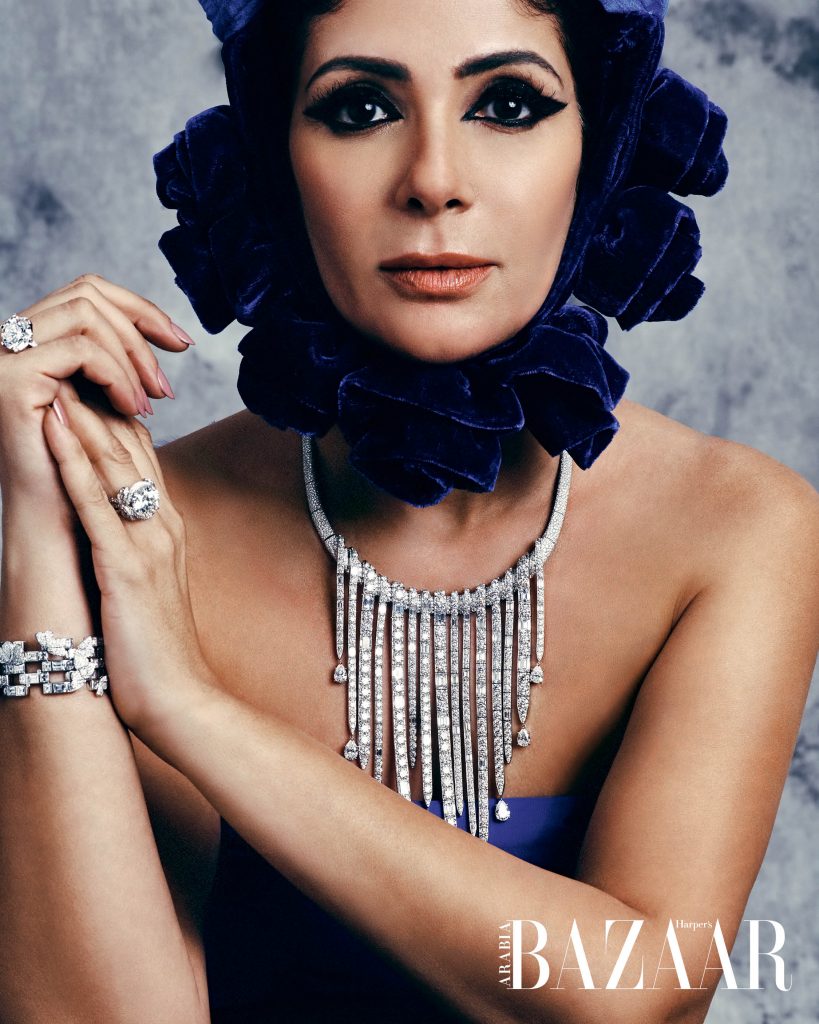
Taking a turn
It may be part of the job, but Mona seems to relish strutting the red carpet, not afraid to own high-fashion looks and providing style watchers with many a moment. From couture specialists Zuhair Murad and Elie Saab to Maram Borhan and Raisa Vanessa, the actress ticks off regional stalwarts.
Her glee isn’t an act and she’s well aware of the platform she’s able to provide up-and-coming labels. “I am really into fashion and I enjoy following trends and experimenting. I also get to work with a lot of talented stylists that help me perfect my outfits. I am always on the lookout for local designers and young talent. I like to support them and show off their work.”
Cause and effect
“The purpose of influence is to speak up for those who have no influence.” Mona is always keen to turn the conversation towards the subject she is most passionate about – philanthropy. “Part of our job as actors and actresses is to raise awareness about such topics.”
Citing one of her most-lauded movies, about a talk-show host that starts discussing controversial women’s issues on air, she continues, “I am always interested in getting involved in important causes. I try to shed light on them through my work as an actress and as a humanitarian. My role in Schehrazade, Tell Me A Story was very important to me, as it revolved around a subject that needed to be discussed and I was glad to be a part of it.”
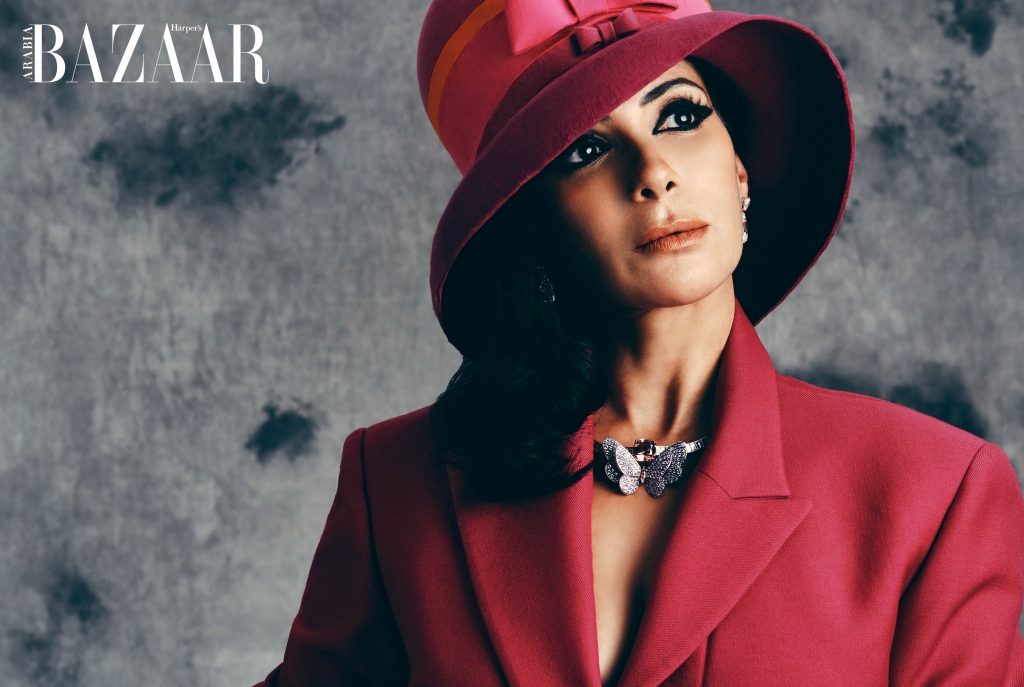
One of UNICEF’s biggest champions, Mona is always willing to use her star power to put a spotlight on their initiatives; “Being a UNICEF Goodwill Ambassador has been such an honour. Both myself and UNICEF try to contribute as much as we can when it comes to raising awareness on issues like child labour, violence, bullying and many others. We both try to support these causes and support different organisations aiming to be at least a catalyst in making the world a better place.”
Sliding Doors
Direct, contemplative, measured and deeply intellectual – Mona is the ideal role model. Although she downplays the depth of her determination, you still see that resolve that got her that first break, when she was just a teenager wanting to get an audience with her role model Mohamed Sobhy – who even then saw that spark in her and mentored her to success. It’s clear that her career trajectory is no mistake.
But when pressed as to what alternative career path she would have pursued had this one not panned out as planned, her response is quite surprising. “A healer. I think that is the route I would have taken. Something to do with energy and healing.”
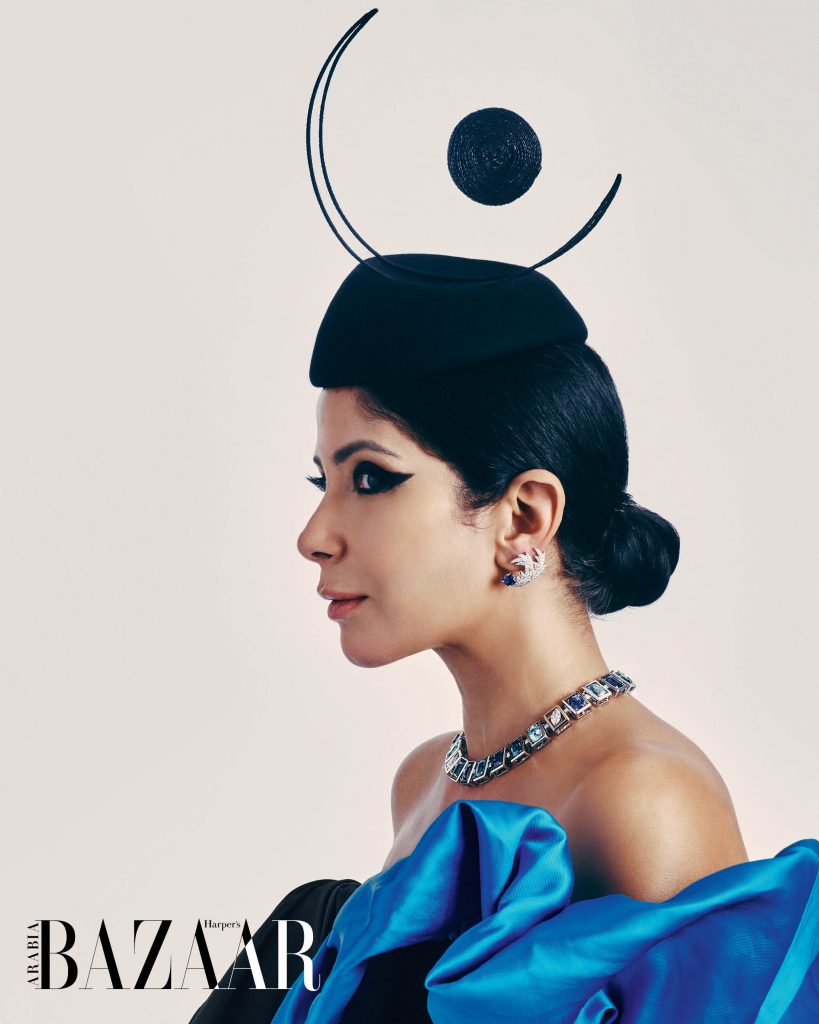
She’s fielding requests from all quarters – and admits she’d like to give Hollywood a stab too – but is currently working on her next Ramadan series, Lam Shamsya. Before signing off, we had one last question, related to Perfect Strangers. Has she ever been tempted to look through someone’s phone? The answer, an emphatic: “Never.”
Editor in Chief: Olivia Phillips. Deputy Editor: Jessica Michault. Art Director: Oscar Yanez. Market Editor: Nour Bou Ezz. Producer: Jesse Vora. Studio Manager: Ines Guendouz. Hair: Rafi Fazaa. Make-Up: Manuel Losada. Photographer’s Assistant: Jey Jeyendran. Stylist’s Assistants: Tzoi Manousou and Cristina Burca
Photography by Greg Adamski. Styling by Anna Castan
From Harper’s Bazaar Arabia’s January 2022 issue