
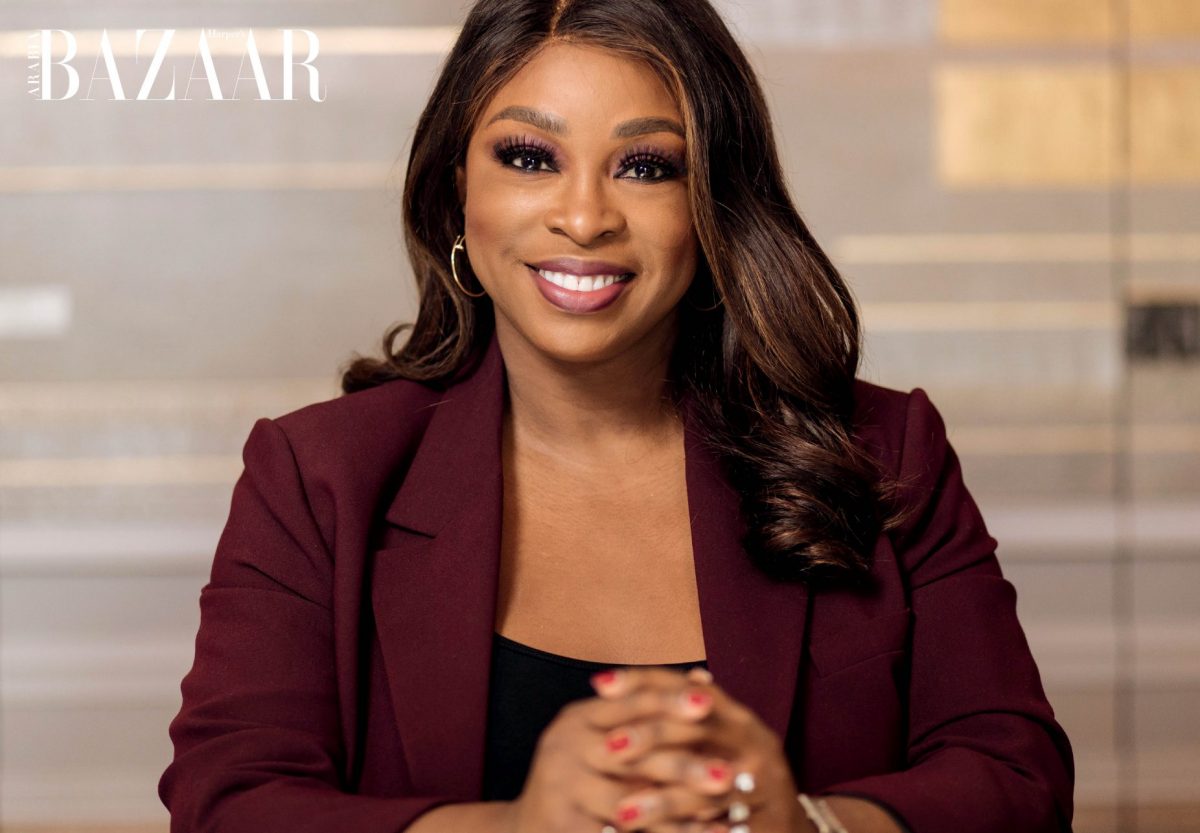
Morin Oluwole, Global Head Of Luxury At Meta, On Being A Mentor, The Future Of Tech and Empowering Other Women Of Colour
The Director and Global Head of Luxury at Meta, sits at the nexus of tech and luxury in the digital space. She has forged a path that is blazing bright so that others may follow
Morin Oluwole is something of a tech-world unicorn. She is a woman of colour working in the top echelons of Meta, a multinational technology conglomerate that was formerly known as Facebook. There she has been creating for herself a singular avenue to success from the moment she joined the start-up, when there were only about 150 people working at the company, to today.
Morin, who was born in Lagos, Nigeria, spent her teenage years in London and went to college at Stanford in California, grew up learning how to navigate different cultural perspectives, environments and world views. It’s an upbringing that has forged a woman who is both intuitive enough to know – even after having received a Bill Gates Millenium Scholarship to study medicine and spent three years in the gruelling pre-med process – that becoming a doctor wasn’t her calling. And a woman driven enough to enter an industry that has not been, let’s say, the most receptive to hiring women.
Today Morin finds herself working in Paris, creating revolutionary partnerships with luxury brands to help them engage with their clientele in innovative ways online. And as exciting as that sounds, what is even more impressive is how she has continued to build new opportunities for herself throughout her career. She has created jobs within Meta where ones didn’t exist before and has built a professional life during her tenure at the company that put her in a position of power. It’s a role she takes very seriously as Meta now moves into its next iteration, with its plans to help shape the metaverse of the future.
However, Meta’s future isn’t the only one that Morin is interested in seeing be successful. She has also made it a cornerstone of her professional career helping empower other women to follow their dreams. She leads not only by example but also through leveraging her extensive network of contacts to help those around her make the inroads and the connections they need to get their own foot in the door or climb even higher on the ladder of success.
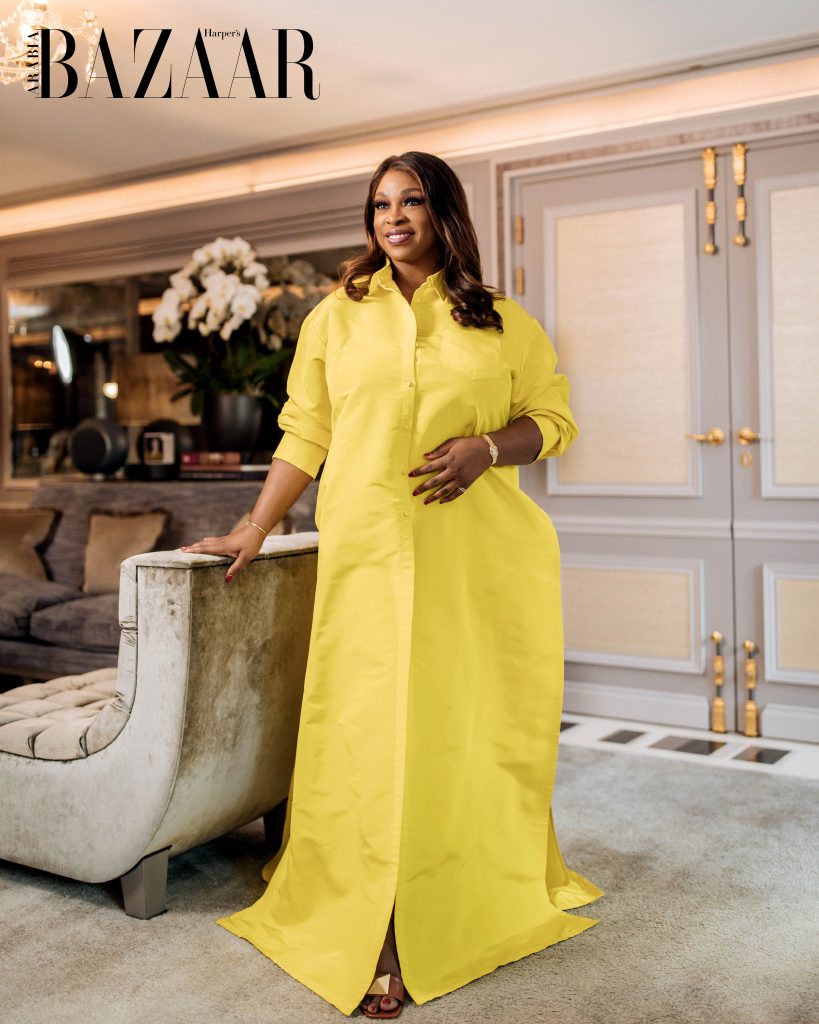
Let’s start at the beginning, tell us about your Nigerian upbringing, your schooling in the UK and what kind of kid you were growing up?
As you know I was born and raised in Nigeria. I’m very much tied to my cultural background there. So, when I was a young person, I was actually very shy. I didn’t talk to folks at all. I was really in my books. Kind of the studious one, whereas my sister was more vivacious. But I think what I want to say about my childhood is that it was filled with family. It was all about food. It was all about culture, which I think resonates in the way that I look and live my life today. And so, I grew up in Nigeria until I was about 15 or so before moving to London for a short while and then my family, with my mum and sister, we settled in California in the United States where I did my studies at Stanford.
I understand that you went to Stanford to become a doctor, which is a very different career path than the one you are currently on. What was the paradigm shift moment for you?
I started off going down the path of what Nigerian family expectations are for their children. You can be a doctor, lawyer or engineer, those are the options. So, my chosen path was a doctor. I had gone into the programme, and I was about three years or so into it and I was working in an ER as part of my studies, it was really intense. It was during my time there that I realised that becoming a doctor felt more like an obligation versus a passion. It was a tough realisation to have, especially when you don’t know what comes next. All I knew was that I wanted to be successful and having a successful career was important to me; I just didn’t know what that career was going to be.
It takes quite a lot of courage to go in a completely different direction like that. To have been three years into pre-med and then just switch gears. Was it a slow-burn realisation or did you have an ‘A-ha!’ moment?
I would say it was a slow-burn realisation. In terms of how I got to that realisation, and how I figured out that next step, it was really about the people whom I was surrounded by. You know really having strong mentors and people who were able to guide me and say, “Ok, if you’re not gonna do this, let’s figure out in which direction you want to go. What are your potential options?” I did finish my undergraduate degree in Human Biology but I also got a Masters [in Sociology] at Stanford and also another one [in Management] at Columbia University.
It’s interesting you mentioned mentors helping you to find your path. You are clearly are at a point in your career where you are mentoring other people. What did your mentors teach you, and what are you trying to pass forward to those that you’re helping to guide?
The first thing is not to rush, because I think when you’re younger – when you’re trying to figure out what your goal in life is – you often just want to get to the end goal right away and have everything all solved. My mentors really shared with me this idea of taking the time to actually live through the experiences, even if it means starting over or making mistakes. Because when you’re just rushing to get to a destination you don’t really understand it. You don’t glean from the experience what you should. That’s the first piece. And then the second, which has been really relevant for me, is to have this openness to learning and to make sure that I’m in a position where I continue to, not just learn in my immediate job, but also from a global context as well. Understand what’s going on in the world from a finance point of view, from governments, to politics etc. And I think that having this really rich 360˚ experience has been useful for me.
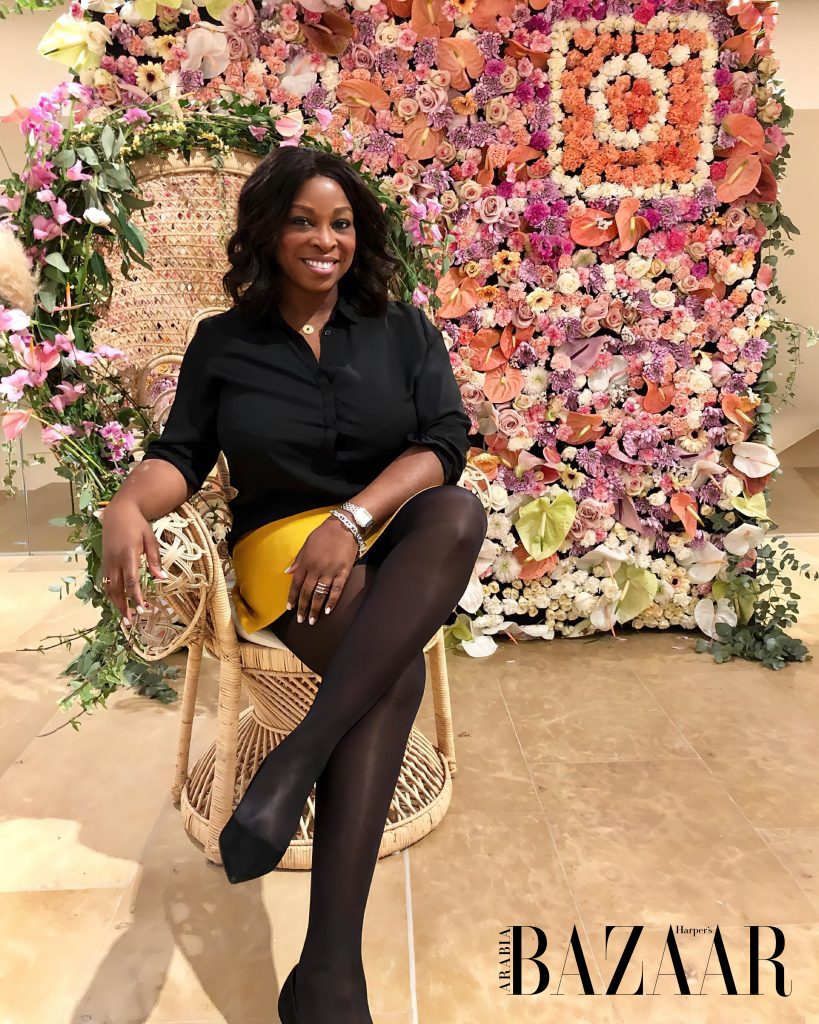
I am sure that framing what you do within the larger context of what’s going on in the world is very important. Especially considering where you have worked for close to 15 years. Speaking of which, tell me what it was like when you joined that little start-up called Facebook? In the beginning, were you just looking for a fun ‘beginner’ job?
That’s exactly what it was. That was exactly my reaction – “this could be fun!” I was in grad school and one of my friends said, “You know, you might wanna have a think about coming to join Facebook. We’re really looking for curious people like you.” So I went in. I had an interview with three folks with whom I actually went to Stanford. It was for an operations role at this time, because the company was very much in start-up mode, and on my ride home I got a call that I had gotten the job. The job evolved of course, when you are in a start-up with just 150 people it usually does, there was still very much to be formed. But that was the beginning of this adventure.
What impressed us is how you seem to have been able to forge your own path at the company. You’re the one who, from what we understand, came up with the concept of creating a special division dedicated to luxury and fashion within Facebook. What made you think that that needed to happen and what made you think that you were the right person for the job?
I would say that the way in which I have approached my career development is that I know that I’m a builder. Meaning I’m someone that appreciates the opportunity to build structure; to build order out of in-order, if you will. This is something that has also really guided me in the way that I approach taking risks in my career. For me, when I was coming into this context of developing the luxury vertical, this luxury division in Paris, what was important for me was to clearly understand was what the potential of this project was, what were the risks. What was the best approach to take, knowing that we had very little resources in the beginning. And also, again going back to mentors, I leaned very heavily on my mentors in the beginning, and I still do.
When you came to Paris to start this luxury fashion division of the company you were pretty much a team of one. You didn’t speak French, and at the time fashion brands, well the last thing that they wanted to do was spend any money on social media or online. It wasn’t considered luxury enough back then. How were you able to shift their point of view? It could not have been easy.
It was challenging both on a professional and personal level. In terms of the professional piece, luxury brands knew it was important to figure out some way to address their consumers on digital. They just didn’t know how to do so. And they were also hesitant, which is completely normal when you don’t know what a domain looks like. Nor did they have necessarily the comprehensive experience on how to reach the right consumers with the right content in formats that are adapted to digital.
So the idea was really partner with them to help them understand how they could express their brand DNA on our platforms without compromising the vision of their brand. Fast forward to today and I would say that what I’m really proud of is how we have partnered with our clients to not only help them build brand equity but also showcase their rich savoir-faire heritage. But also being very concrete and helping them achieve ROI for their businesses. Because we really work to highlight how digital platforms or social media are an essential partner to building brand businesses online. And now these luxury houses are some of the most forward-leaning and most engaged when it comes to testing out new technologies.
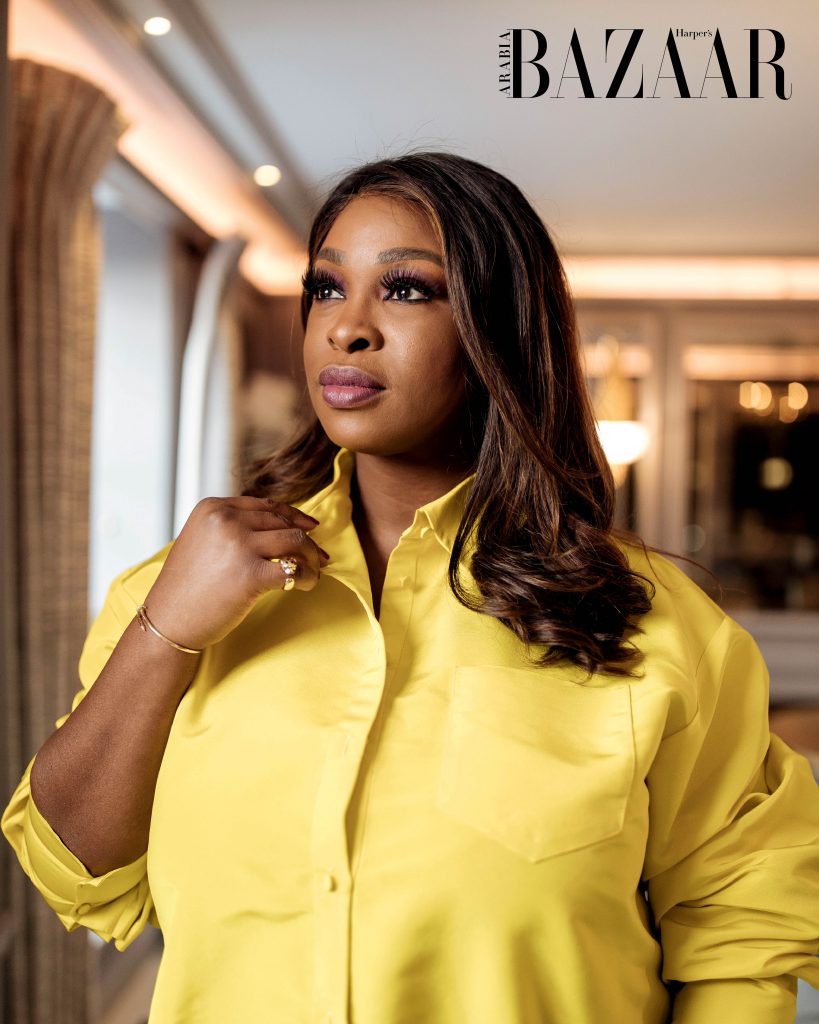
Do you have an example of a watershed moment in your career where you really felt like this was a big step forward for you professionally, but also for showing the brands what Facebook and Instagram could do to help them?
Well, most recently going through a global pandemic we had to really rethink the way that we approach brands and help them figure out how best to communicate across our platform. Of course, there was a moment where everyone was panicking and trying to figure out how they’re gonna communicate their brands. Hermès was one of our key partners and was one of the first to do a digital fashion show in a very innovative way. Because they focus on showcasing the backstage experience with their teams, with the models you almost didn’t realise that it was the show you were watching and it was all happening live on Instagram. Also, Louis Vuitton was one of the first luxury maisons to really seize the opportunity with Reels, presenting their entire collection with just a phone where the models are holding the phone upside down and dropping the phone to the ground. But you could see the entire look that the models were wearing that way. That was massive. There were over 7 million views of the video. So this is when I really got to see the clients stepping forward to be first testers. It proved the fact that the partnership and the work we’ve done with them over the past number of years has really made an impact.
It’s rare these days to be with the company as long as you’ve been with yours. What is it about Meta that keeps you interested?
It’s a number of things. First, it’s the people. Especially when I think about the diversity of the people, it is better to work for a business with people coming from different backgrounds, different points of view and I think that this is really something that has been one of the key reasons for my duration within the company. But at the same time, going back to how I have developed my career, it’s true I have always had opportunities to grow and learn. But at the same time, I’ve also been very proactive in evolving my career.
I started off in operations, then product management and partnerships before building my expertise in business development. And so if I was stagnant in the same role, the same position or even in the same city, I’m sure that the interest and the passion that I felt for the work that I was doing would not be the same. Also, the support that I’ve had over the years from really great leaders and mentors, and the opportunity for me to grow as a leader myself, kept me engaging and excited here.
Let’s deep dive into the fact that you’re a woman of colour and you’re working in an industry that is predominantly white and male. How are you empowering other women and other women of colour to find the courage and the desire to step out and ask for what they want?
Well, the first thing is that this isn’t new. In the sense that I’ve been, almost my entire life, one of the few diverse people in most situations. So for me, it’s not a question about doubting myself or doubting my capabilities versus others. It’s really more about opening myself up to say, “Ok, well I have the opportunity to showcase my talents in this environment. How can I best do so?”
I’m not saying it’s easy. Because it really is tough, you can have some feelings of isolation for example, or maybe others don’t understand your personal or your life experience. But what I try to do is just focus on the person and not on the external factors when it comes to working with people when it comes to understanding their points of view and their different backgrounds. I believe, that by me emanating that, that is also how others choose to work and engage with me. And naturally, I also provide an opportunity for them to learn what it means to work with people of different and diverse backgrounds.
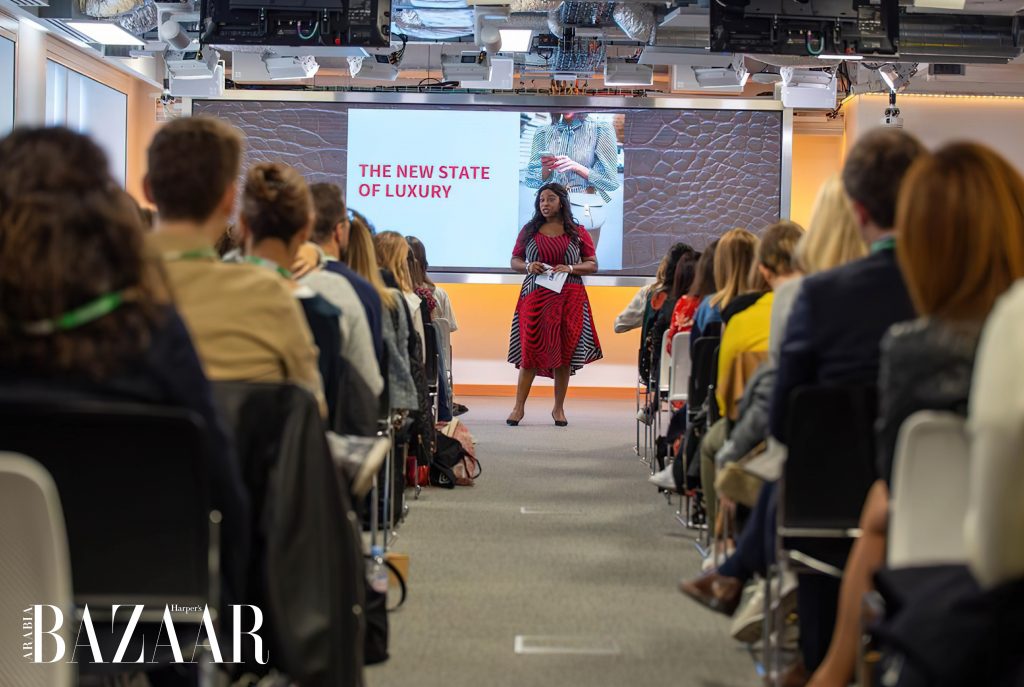
It has been said that women, more than men, tend to have this sense of imposter syndrome. That whole feeling like they don’t belong or deserve the job they have. How do you push through that wall of insecurity?
I don’t know if that feeling is only tied to my being a woman. Because obviously, my diversity comes in different forms. But definitely, when you don’t represent the majority, there are questions that you pose to yourself as to what role you play within the context that you find yourself in. For me, it was a mental shift. To say to myself that “I’m here at the most prestigious universities in the world or I’m here at Meta, working at this great, globally impactful tech company, because I deserve to be here, not because someone did me a favour.” So there’s some work to do in terms of how we project ourselves and how we perceive the roles that we play. But also that we prove that we belong through the work that we do. So that there’s no question, no doubt as to whether or not we should be in this leadership position.
With this recent change of name from Facebook to Meta, we have to ask, what are your thoughts on this evolving metaverse that is being created in the digital space? Your mind must be spinning with possibilities and ideas about what you can do to bring the luxury world into the metaverse.
It’s an absolutely exciting time because when you think about this future that we’re looking to build as a company, we’re just at the beginning of this major shift to the metaverse. And it’s more than just a name change, it’s really this idea of how do you move beyond screens and how do you innovate it into immersive experiences that really fuse the digital and physical worlds. I think it’s definitely a field that’s going to play out over the next 10 to 15 years. But the most important role that we can play is how do we contribute to these experiences when people are connecting together not just on a screen, but in this new, deeply immersive context. And it’s important to note that the idea here is not to replace the physical. It’s really about augmenting the time that people spend together, like augmented reality glasses or even virtual reality, and making it more fully immersed. For luxury brands there’s an opportunity to build businesses in a new and exciting digital way, to sell both physical and digital goods – even selling experience is possible within this creator and commerce space that’s going to undoubtedly be built within the Metaverse.
With so many amazing mentors you have had over the years, we are curious what is the best piece of advice you ever receieved and who gave it to you?
Oh gosh, the best piece of advice? Let me cite a quote, if I could, because it’s something that really inspires how I work. It’s from Mark Twain, and he wrote: “They didn’t know it wasn’t possible, so they did it.” I think that that’s the approach that I tried to have with everything I do. I mentioned earlier I was a builder, and most of the things that I did, did not exist before I built them. So, when you have that perspective of – “we can really deliver and build and create something out of nothing” – I think that’s a really motivating perspective to have.
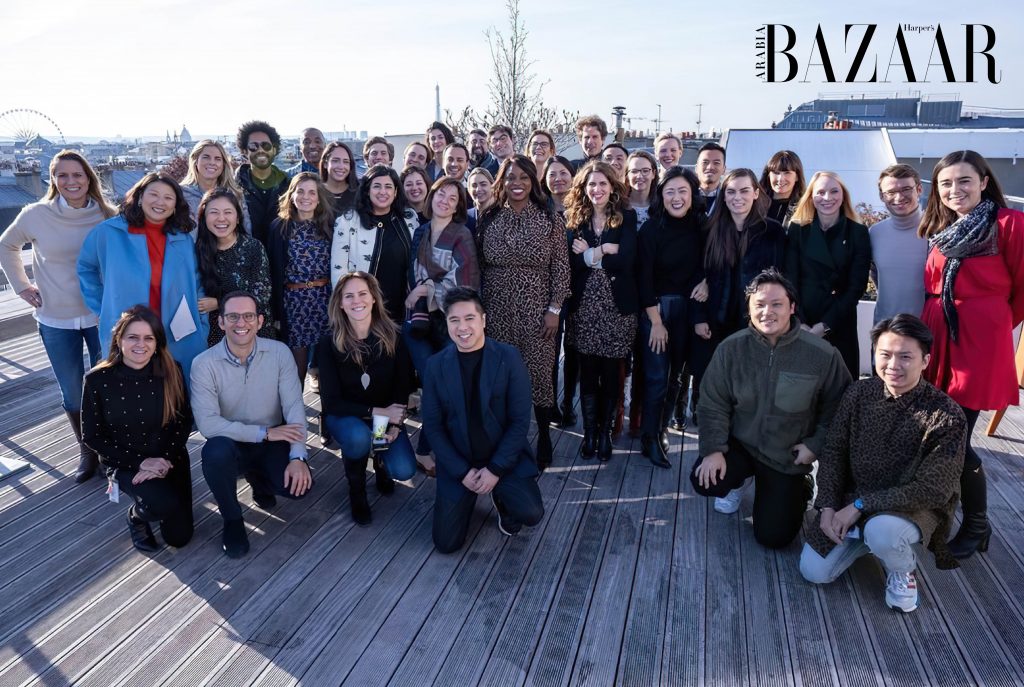
As a leader at one of the most powerful companies in the world, what is one thing a leader should never do and what should a leader always do?
I never do it alone. You can’t grow, and you can’t become a leader alone. It’s just absolutely impossible. You need people, you need a support system. And a leader should always lift other people up. Because again, it is kind of the other side of the same coin, we don’t get here alone. We have teams, we have partners with whom we work and it’s really critical to lift them up because that’s what makes the foundations of teams, of businesses, and that’s why you come to work every day – because of the people.
Finally, because this is a fashion magazine, and we know you both work with the fashion world and also personally you are a fan of fashion, we’ve got to know, what do you love most about fashion?
I love that fashion can help you create that confidence in yourself. It’s like you leave your home and you’ve put on a sort-of armour. Great fashion can create that confidence, what you wear can help you be who you want to be. It can help you to feel like you can tackle any challenge that might come your way.
Photographer: Lewis Joly. Images: Instagram /@morin
From Harper’s Bazaar Arabia’s January 2022 issue