

Reliving History: Banyan Tree’s Debut In The Kingdom’s Living Museum
The launch paves the way for an unrivalled adventure reminiscent of a bygone era
Hewn over millions of years by water, wind and sand, the abstract rock formations that comprise the Kingdom’s ancient AlUla are of immense historical significance. The city’s valleys, cliffs and canyons are imprinted with the memory of the many civilisations that inhabited it since the Neolithic era, traces of their lives extraordinarily preserved in an untouched state of conservation.
Among them were the Nabataeans – who famously built the iconic city of Petra and brought their advanced irrigation and agriculture techniques to the region, leaving behind 111 stunning tombs carved into the sandstone rocks at the UNESCO World Heritage Site of Hegra.
Once a major stop for the old incense, spice and silk routes, and later a bustling town on the pilgrimage route from Damascus to Makkah, AlUla has cemented its position as a major trade hub and meeting place for worshippers, merchants and explorers throughout the ages.
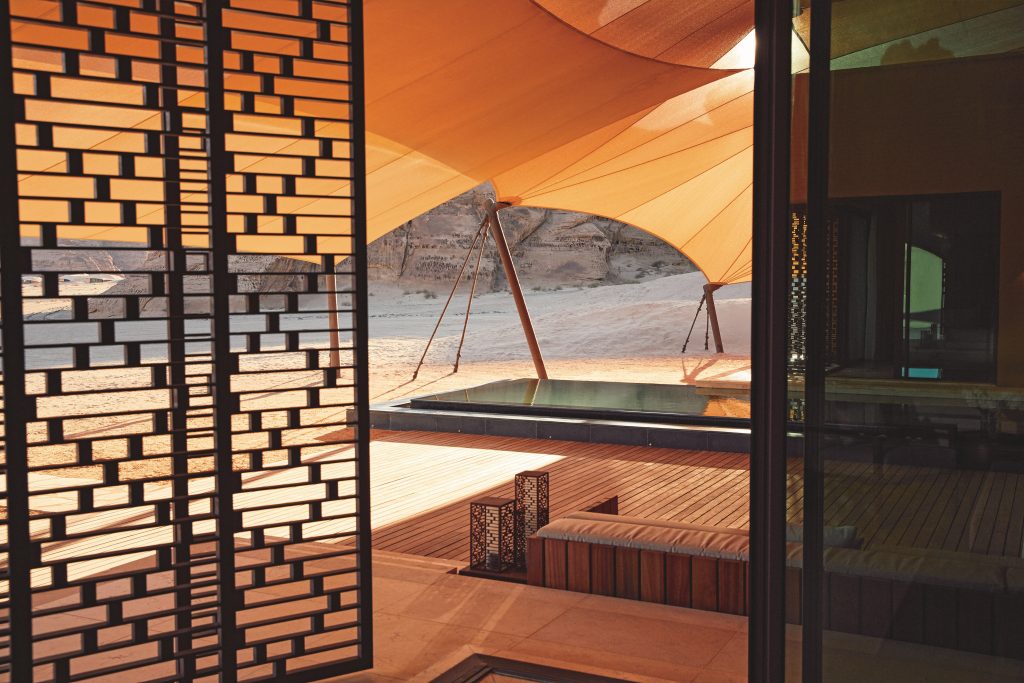
Now, hospitality powerhouse Banyan Tree has inaugurated a luxury resort amid AlUla’s magical landscapes and breathtaking beauty, inviting a sanctuary in what was once hidden desert scenery. Spread out across the Ashar Valley, Banyan Tree’s tented villas are designed to stir the senses and awaken the body, mind and soul.
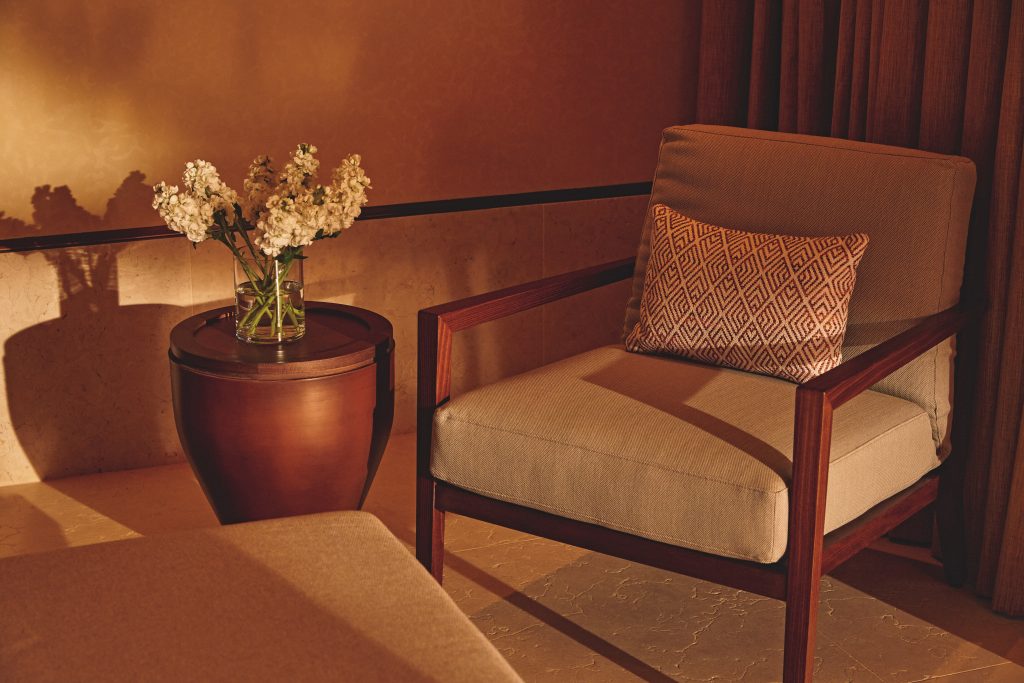
Infused with elements from the nomadic nature of Nabataean design and heritage, the resort, which joins 30 properties across 12 countries, shows Banyan Tree’s dedication to local influence, drawing on both the awe-inspiring natural backdrops and the Bedouin culture which has inhabited the area for centuries.
“The Ashar Valley in AlUla is the perfect home for Banyan Tree, set in a land rich in heritage and culture, this location allows the brand to offer utterly unique experiences paired with long-lived traditions,” expresses Antony Treston, General Manager of Banyan
Tree AlUla.
The philosophy of the resort embraces three concepts: ‘in-villa’, ‘in-valley’ and ‘en-voyage’, immersing guests in a multisensory experience that begins from the very moment one sets foot in the valley, mesmerised by the stillness, the striking rock formations, and the sheer force of nature – it’s as if time and space have been suspended.
In-villa provides guests with personalised dining, wellbeing and entertainment experiences, while in-valley transports one into the essence of the natural surroundings through exclusive outdoor treatments, nomadic chef’s tables, active adventures, and private events staged in spectacular settings. En-voyage journeys through private immersions crafted with local talents, perpetually unearthing new facets of AlUla’s storied past.
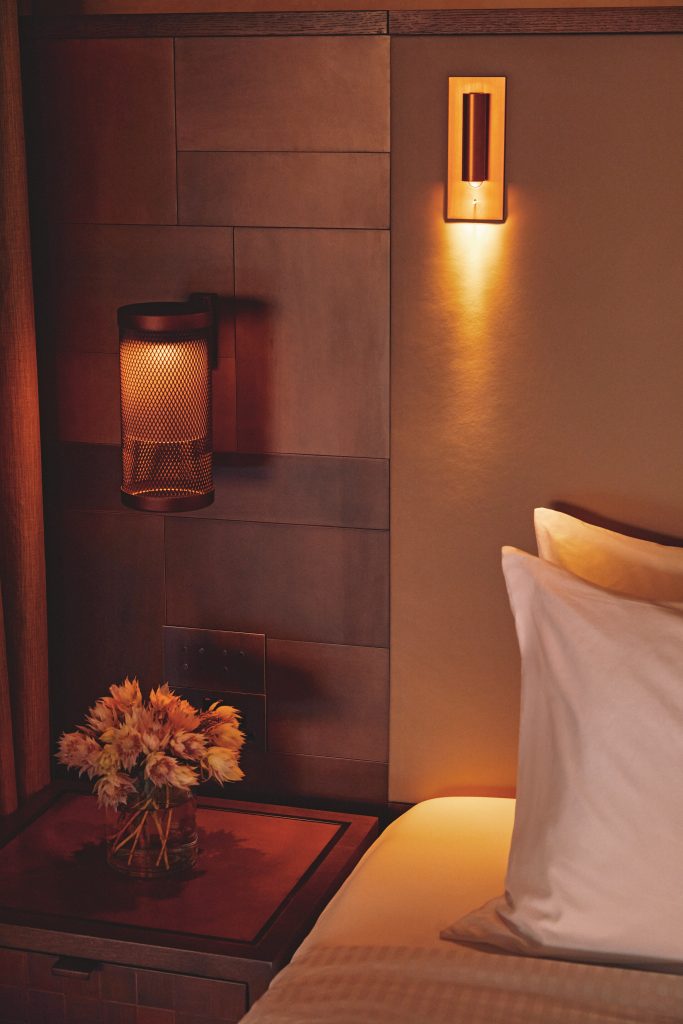
The rooms, lavishly decorated with handcrafted Arabian-inspired accessories, offer quintessential Banyan Tree grandeur with history woven into the very fabric of design; the secluded one-bedroom dune villa is perfect for an intimate retreat for two with one king bed, bathroom patio and an external firepit, boasting high ceilings and a canopy tent to blend not just into the landscape, but the aged soul of the land.
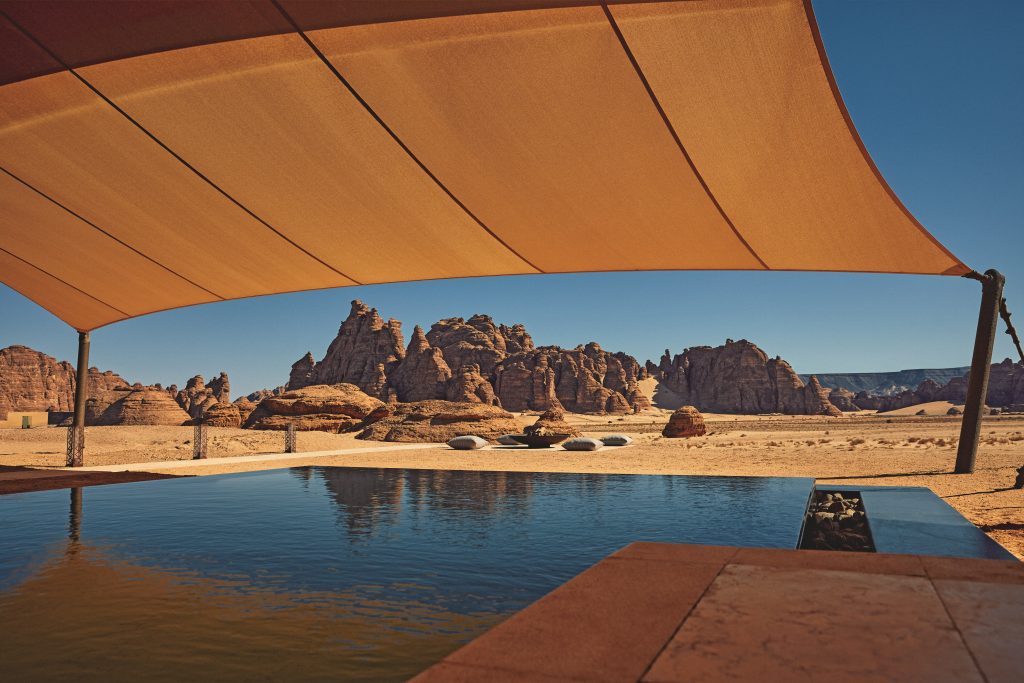
“Features such as the rock pool, which has been incorporated into the natural rock, allow guests to feel truly immersed in the Ashar Valley with infinite views,” says Antony. “We are committed to positively impacting local communities, sustaining the natural landscape and honouring ancient cultures.”
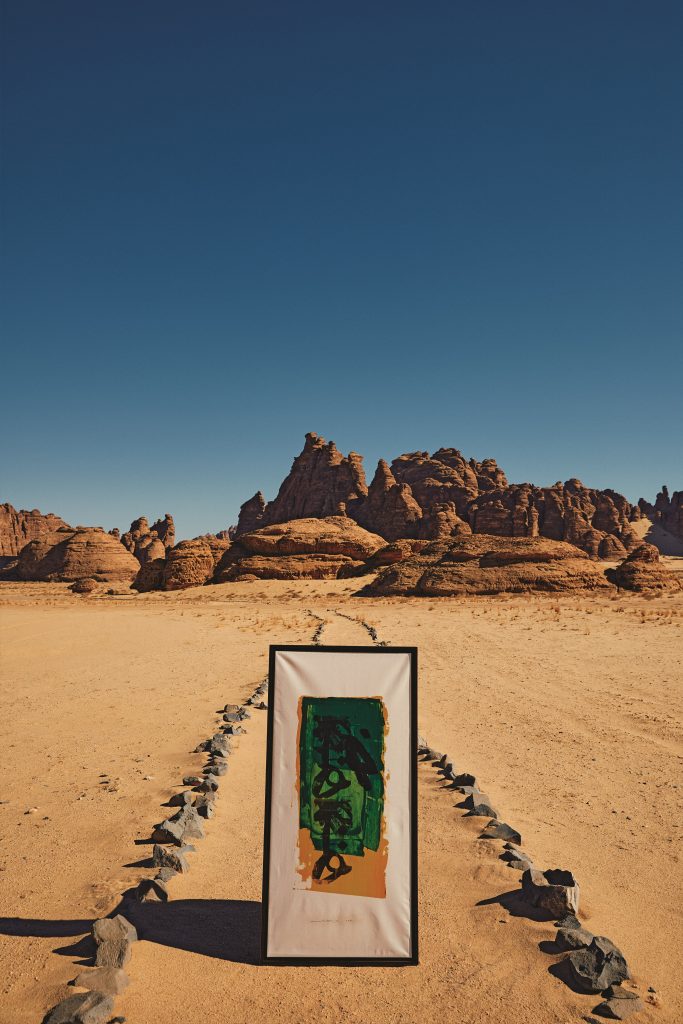
Alongside its burgeoning design scene, Saudi has become widely known for its art, too, and the impressive showcase at the resort is a huge testament to the local talent. “Throughout the resort you will find bespoke artwork by Saudi Arabian artists representing the country’s heritage through different mediums,” explains Antony.
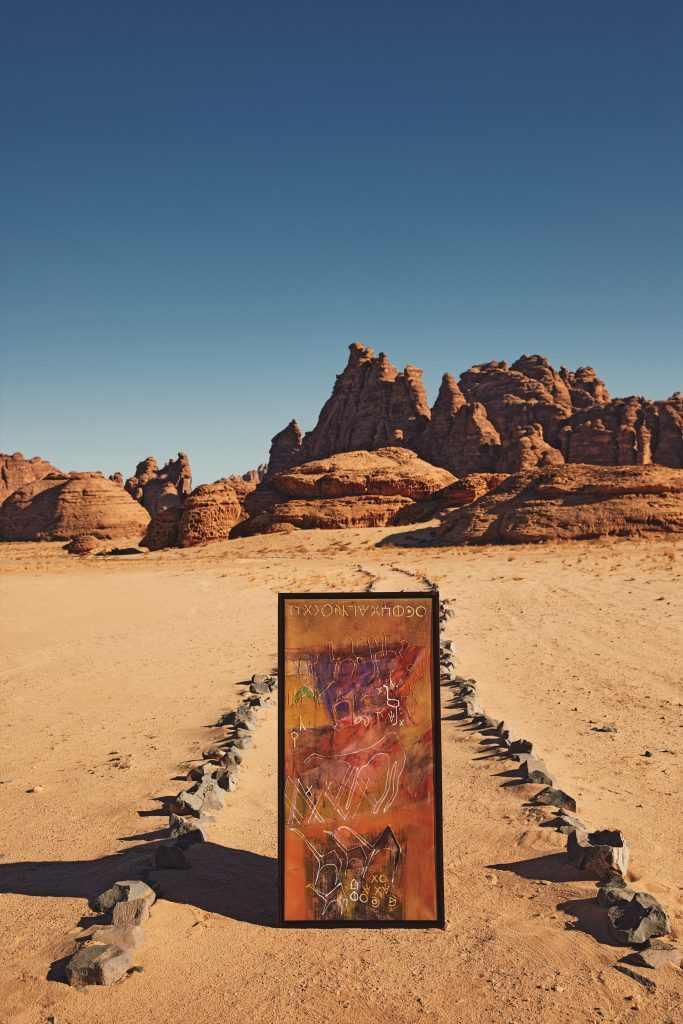
From Abeer Alkhalifa’s representation of the precious age-old craft of Sadu weaving to Hussein Al Mohasen’s beautifully unique style of Arabic calligraphy, the pieces on display reinforce the location’s spirit of a ‘living museum’.
Artist Mohammad Rubat’s evocative works depict the sunsets and sunrises of AlUla, while Hussain Al Musawif portrays the rock art of the region that dates back to the ancient and mysterious Thamudic civilisation.

As with any other Banyan Tree property, the fine-dining experiences here capture all five senses. The signature restaurant Saffron offers an authentic taste of contemporary Thai cuisine prepared by Thai chefs, filled with the scent of lemongrass and flavours of coconut milk and spices.
The second restaurant, Harrat, takes its name from Saudi Arabia’s largest volcanic lava field located in the Hejazi region, Harrat Rahat. From the local flavours to the arts and crafts, the venue is ideal for a sensorial rendezvous with hints of nostalgia. Decorated with locally made handicrafts such as rugs and earthenware, diners can truly immerse themselves in a home-grown concept at the rustic restaurant.
Banyan Tree Spa extends its services from its sister resorts, providing a safe space for mental and spiritual renewal with a holistic approach based on traditional Asian wellbeing and healing therapies; local and Eastern rituals are seamlessly fused by the resort’s practitioners. From the massages to the facials, each offering is a time-honoured tradition that dates back centuries.
The resort even invites guests to unwind al fresco, with several open-air treatments that are centred on the healing powers of nature – a rejuvenating massage inside a secret cave, surrounded by restorative minerals, precious incense and scented candles made with local farm-grown ingredients, is one option.
From the art, design and multilayered history to the culinary experiences and holistic-health philosophies, it’s no wonder Banyan Tree has found a home in one of the world’s most incredible and travel-dream destinations – an ancestral masterpiece that beckons an exceptionally curated transformative voyage into the depths of the desert. banyantree.com/saudi-arabia/alula
The architect and interior designer of the project is AW² architecture & interiors, an international architecture and interiors agency based in Paris that has received several awards over the years including the MIPIM Best Hotel Award for the Six Senses Con Dao resort.
Creative Direction by Marne Schwartz
Words by Ayesha S. Shehmir
Photography by Vladimir Marti
From the Autumn 2022 issue of Harper’s Bazaar Interiors.